
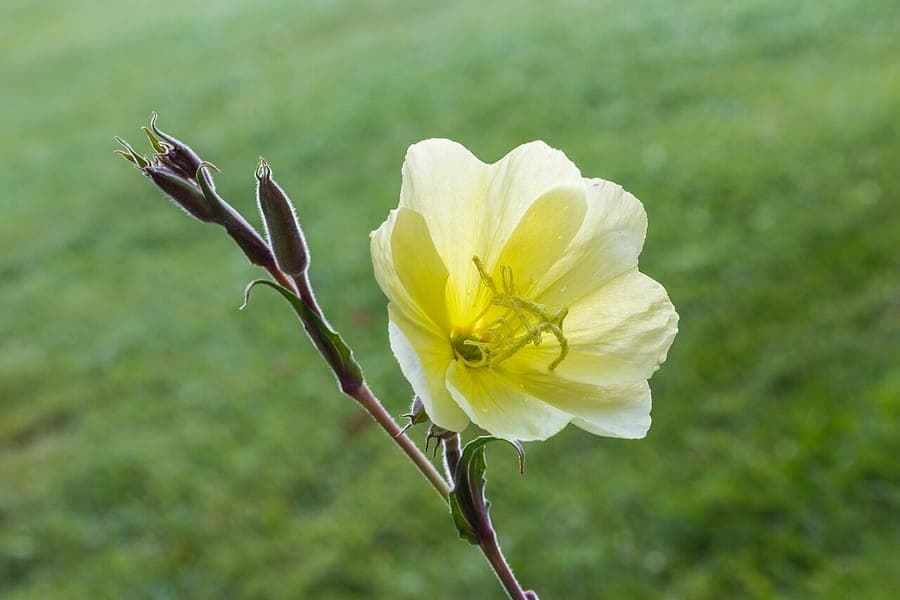
Dominicus Johannes Bergsma / CC BY-SA 4.0, via Wikimedia Commons
Oenothera stricta: complete guide
Oenothera stricta
¿Quieres ver Oenothera stricta: complete guide en tu jardín?
1 minuto, sin tarjeta de crédito
Overview
Oenothera stricta, commonly known as strict evening primrose or Chilean evening primrose, is a captivating flowering plant from the Onagraceae family. This species is characterized by stunning yellow flowers that predominantly open during evening hours. With its distinctive growth form and low-maintenance nature, it is ideal for landscape designers and gardeners seeking colorful, robust plants.
Oenothera stricta originates from Chile and surrounding regions, and has successfully established itself in many parts of the world. In Europe and temperate climates, this plant thrives in sun-exposed gardens. The species is native to parts of South America but is now widespread throughout the Mediterranean region and beyond.
Appearance and bloom
Oenothera stricta typically reaches a moderate to large size with stiffly upright stems extending vertically. The plant can attain heights of 30 to 60 centimeters and forms a full, compact structure. The leaves are narrow, lance-shaped leaves that grow along the stems.
The flowers are the most striking feature of this plant. They are bright yellow and appear abundantly from May through August. The blossoms open in the evening hours - hence the name evening primrose - and emit a pleasant fragrant aroma. This makes them an exceptional choice for evening gardens where visitors can appreciate the scent and visual impact.
Ideal location
Oenothera stricta performs best in locations receiving full sunshine (at least 6-8 hours of direct sun daily). A south-facing or south-western placement in your garden would be ideal, allowing the plant to enjoy full midday sun. This promotes the richest blooms and strongest growth patterns.
Ensure the location is well-ventilated and not near shade-casting structures. The plant also grows well in open areas where warm daytime temperatures can be achieved year-round. Avoid shaded spots, as these will result in spindly growth and fewer flowers.
Soil
Oenothera stricta is not particularly fussy about soil type. The plant grows well in sandy, dry to moderately moist soils. A pH value between 6.5 and 7.0 is ideal, although the plant can also thrive in slightly more neutral conditions. Ensure good drainage - stagnant water is harmful to plant roots.
For best results, add organic material to the soil when planting. This promotes water retention and nutrients, aiding healthy growth. A mixture of garden soil with some gravel or sand provides excellent drainage.
Diseño gratis
¿Quieres ver Oenothera stricta: complete guide en tu jardín? Crea un diseño gratis ahora.
Watering
Oenothera stricta is fairly drought-tolerant once established. Water regularly during the growing period, especially in warm and dry months, but ensure the soil dries out between waterings. Overwatering is a common problem and can lead to root rot.
During winter, you can significantly reduce watering. Water only if the soil feels completely dry. In regions with normal winter rainfall, the plant typically receives sufficient water from natural precipitation. Check the soil regularly and water only as needed.
Pruning and maintenance
Oenothera stricta is low-maintenance and requires minimal pruning. Remove dead or damaged stems in late winter or early spring. This promotes more compact growth and stimulates new growth.
You can also remove spent flowers during the growing season to encourage continuous blooming and improve the overall shape of the plant. This process, called deadheading, helps the plant concentrate energy on flower production rather than seed development.
Maintenance calendar
In spring, growth resumes after winter. Begin with moderate watering and add a modest amount of organic fertilizer. Summer is the peak flowering period - ensure regular water and full sun. In autumn, growth slows. Reduce watering and do not add fertilizer. Winter is the resting period - minimal water, no fertilizer.
Winter hardiness
Oenothera stricta is moderately hardy and can tolerate temperatures down to about -5 to -10 degrees Celsius, depending on local soil conditions. In temperate climates, the plant can remain outdoors, but in colder regions you might consider treating this plant as an annual or biennial.
For protection in very cold winters, add mulch around the plant base. This protects the roots from freezing. In regions with extreme cold, overwintering in a cold greenhouse or protected location would be beneficial.
Companion plants
Oenothera stricta pairs well with other sun-lovers and drought-tolerant plants. Consider combinations with lavender (Lavandula), sage (Salvia), and other Mediterranean herbs. This plant also looks beautiful with various stonecrop species and other succulents that share the same light requirements.
In temperate gardens, Oenothera stricta looks lovely with red larkspur (Delphinium) and valerian (Valeriana). A mixed garden with varied textures and yellow accents enhances the attractiveness of this plant.
Conclusion
Oenothera stricta is a valuable addition to any sunny garden, especially for those seeking easy-to-maintain, colorful plants with a unique fragrance. This plant offers years of enjoyment with minimal care. At gardenworld.app, you can get expert assistance in designing a garden where this beautiful plant plays a starring role. Plant recommendations and professional garden design can help you get the most from this plant. Purchase seeds or seedlings from specialized garden retailers for the best quality.
¿Quieres ver Oenothera stricta: complete guide en tu jardín? Crea un diseño gratis ahora.
Sube una foto, elige un estilo y obtén un diseño fotorrealista con lista de plantas en menos de un minuto.
Más de 10.000 jardines diseñados
Sin tarjeta de crédito


Plantas similares
Shortfruit evening primrose: complete guide
Oenothera brachycarpa
Everything about Oenothera brachycarpa - the shortfruit evening primrose from the American Southwest. Growing tips, placement and care for your garden.
Sundrops (Oenothera tetragona): complete guide
Oenothera tetragona
Everything about Oenothera tetragona - the cheerful daytime-blooming sundrops perennial. Growing tips, placement, pruning and care for a long summer display.
Seabeach evening primrose: complete guide
Oenothera humifusa
Full guide to Oenothera humifusa, the seabeach evening primrose native to the US Atlantic coast. Yellow blooms, silvery foliage, drought-tolerant.