
Oakes' Evening Primrose: complete guide
Oenothera oakesiana
¿Quieres ver Oakes' Evening Primrose: complete guide en tu jardín?
1 minuto, sin tarjeta de crédito
Overview
Oakes' Evening Primrose (Oenothera oakesiana) is a rare and specialized coastal species from the Onagraceae family, native to sandy dunes and coastal areas of northeastern North America. Named for its distinctive evening blooming pattern, this elusive wildflower has captured botanists' attention for centuries. The species is protected in many areas due to its rarity, making cultivation a responsibility undertaken by serious plant enthusiasts.
Enthusiasts of rare plants find Oenothera oakesiana rewarding but demanding. Success requires precise conditions: sandy soil, full sun, and sparse watering. This challenging species rewards patient gardeners with stunning golden-yellow flowers. Learn more at gardenworld.app.
Appearance and bloom
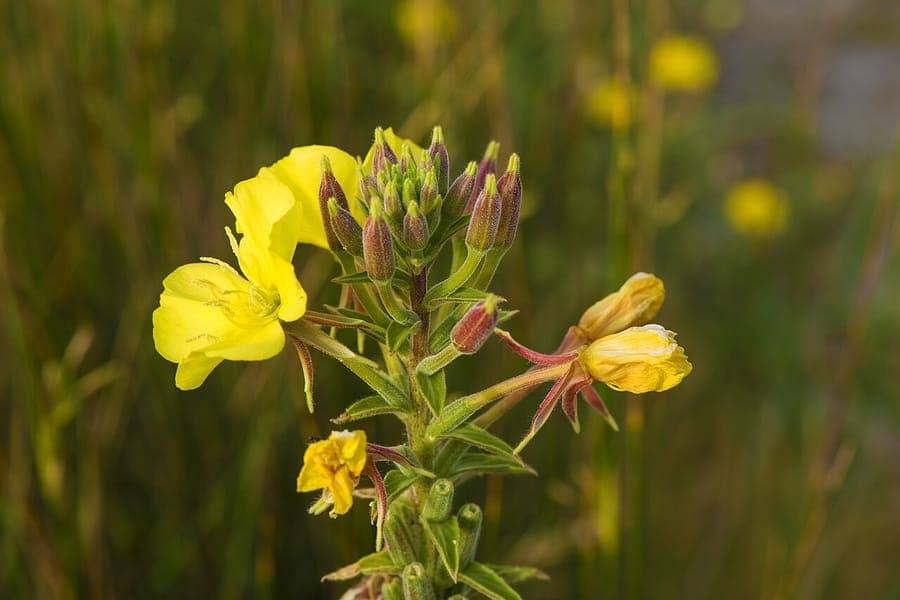
Oakes' Evening Primrose grows as a low herbaceous mound, typically 20-50 cm tall, with narrow, grayish-green leaves closely arranged along thin stems. Golden-yellow flowers appear in profusion from June through September. True to the genus name, flowers open late in the afternoon and remain open into evening, closing by mid-morning the next day. This evening display is both unique and educational.
Flowers measure approximately 2-3 cm across and carry a subtle fragrance. After flowering, the plant develops seed capsules that naturally disperse seed via wind. With proper conditions, the plant readily self-seeds, perpetuating itself year to year.
Ideal location
Oakes' Evening Primrose demands full sun. Minimum eight hours of direct daily sunlight is non-negotiable for health and flowering. Partial shade causes poor growth and minimal blooming. This sun-loving species offers no compromise on light requirements.
Windy locations are actually beneficial. This coastal plant naturally grows in wind-exposed sites. Good air circulation prevents fungal issues and promotes robust growth. Avoid sheltered, humid locations that encourage disease.
Soil
Soil is the critical factor for success. Oenothera oakesiana demands sandy, exceptionally well-draining soil. Heavy clay or waterlogged conditions cause certain failure and root rot. The plant's natural habitat features sandy coastal soils with minimal organic matter. Replicate this: 75-80% coarse sand mixed with 20-25% compost works well. Pure sand lacks nutrients; pure compost retains moisture lethally.
PH tolerance extends from neutral to slightly acidic (pH 6-7). Regularly inspect soil structure. If heavy rain causes moisture retention, add more sand to restore drainage.
Diseño gratis
¿Quieres ver Oakes' Evening Primrose: complete guide en tu jardín? Crea un diseño gratis ahora.
Watering
Oakes' Evening Primrose is extremely drought-tolerant and moisture-sensitive. Water only when soil is completely dry, typically once every two weeks during growth season. In winter, provide almost no water. Overwatering is the primary cause of plant failure; the species evolved in dry sandy habitats.
Excessive soil moisture, particularly over winter, causes root rot and plant death. This is fundamentally a dry-habitat plant that suffers under conventional watering practices.
Pruning and maintenance
Minimal pruning is required. Remove spent flowers if desired for aesthetics, but this isn't necessary. In spring, dead stems can be gently pruned back to encourage fresh growth, but avoid severe cutting. The plant may completely die back over winter, which is normal. New growth emerges from roots in spring.
Maintenance calendar
Spring (April-May): Monitor for new growth, avoid watering. Summer (June-September): Blooming season; water minimally. Fall (October-November): Reduce watering and prepare for dormancy. Winter (December-March): Dormancy period; water only in extreme drought, protect from excess moisture.
Winter hardiness
Oakes' Evening Primrose is hardy to approximately -10 to -15 degrees Celsius in mature form. Northern populations have evolved extreme cold tolerance. However, wet winters pose greater risk than cold winters. Excessive winter moisture promotes root rot. Ensure excellent drainage and avoid winter watering to prevent problems.
Propagation
The plant grows readily from seed. Sow seed directly into sandy soil in early spring. Germination is slow, potentially taking months. Sow thinly, covering with only 5 mm of sand. Keep soil barely moist during germination, maintaining excellent drainage. Patience is essential; seedlings develop slowly.
Companion plants
Oakes' Evening Primrose thrives in xeriscape gardens with fellow drought-tolerant plants. Pair with other sand-loving species like Artemisia species or other Oenothera varieties. It naturally occurs with coastal marram grasses and other dune plants. Visit gardenworld.app for xeriscape design inspiration.
Conclusion
Oakes' Evening Primrose is not a beginner's plant but rather a specialized challenge for serious plant collectors. Success requires exceptional drainage, full sun, and careful moisture management. With these conditions met, this rare species produces years of golden evening blooms that connect you to coastal botanical heritage. This is a plant demanding knowledge of its natural habitat and commitment to replicating those conditions.
¿Quieres ver Oakes' Evening Primrose: complete guide en tu jardín? Crea un diseño gratis ahora.
Sube una foto, elige un estilo y obtén un diseño fotorrealista con lista de plantas en menos de un minuto.
Más de 10.000 jardines diseñados
Sin tarjeta de crédito


Plantas similares
Shortfruit evening primrose: complete guide
Oenothera brachycarpa
Everything about Oenothera brachycarpa - the shortfruit evening primrose from the American Southwest. Growing tips, placement and care for your garden.
Sundrops (Oenothera tetragona): complete guide
Oenothera tetragona
Everything about Oenothera tetragona - the cheerful daytime-blooming sundrops perennial. Growing tips, placement, pruning and care for a long summer display.
Seabeach evening primrose: complete guide
Oenothera humifusa
Full guide to Oenothera humifusa, the seabeach evening primrose native to the US Atlantic coast. Yellow blooms, silvery foliage, drought-tolerant.