
Qaalvin / CC BY-SA 3.0, via Wikimedia Commons
Nipa palm: complete guide to tropical wetland gardening
Nypa fruticans
¿Quieres ver Nipa palm: complete guide to tropical wetland gardening en tu jardín?
1 minuto, sin tarjeta de crédito
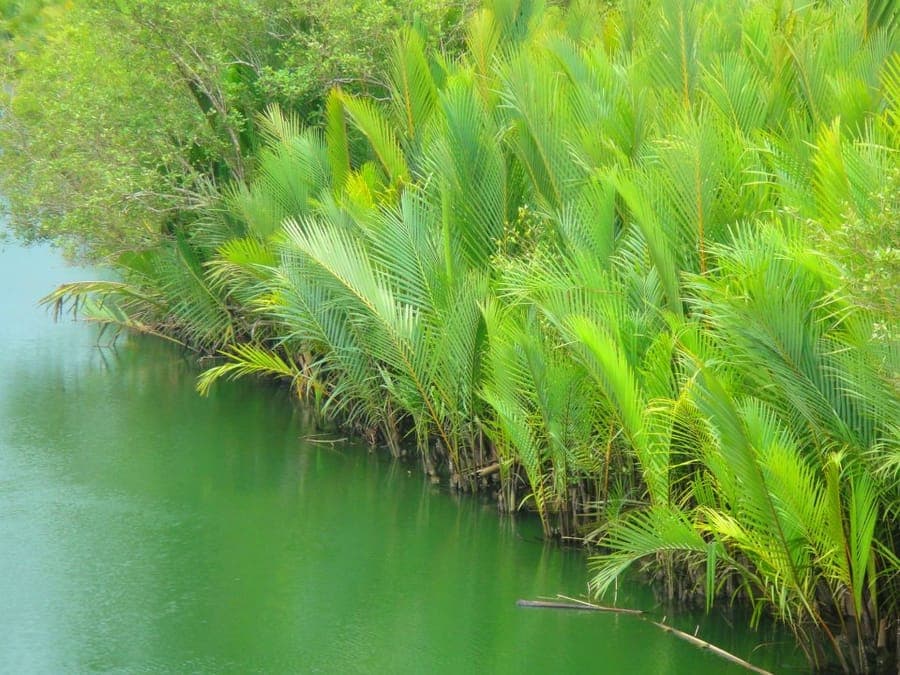
The Nipa palm is a unique, water-loving palm that originates from the mangrove regions of Southeast Asia. This exotic species is renowned for its elegant, long feathery leaves and its ability to thrive in wet conditions.
Overview
Nypa fruticans is a small to medium-sized palm naturally occurring from Sri Lanka through to Nansei-shoto and the Caroline Islands. The plant is widely used as a decorative wetland and aquatic plant in tropical and subtropical gardens. It is a unique choice for gardeners seeking something distinctive and rare.
Appearance and Blooming
The Nipa palm grows via an underground stem and produces long, feathery leaves that can reach up to 4 meters in length. The flowers are small and inconspicuous, but are followed by characteristic, round fruits that grow in clusters. These fruits are orange-yellow in color and highly decorative.
Ideal Location
This palm requires abundant light to grow well. Choose a spot with full to partial sun. In cooler climates, the plant is best grown in a greenhouse or heated conservatory. It is not winter-hardy in temperate regions.
Soil Composition
The Nipa palm grows optimally in wet, nutrient-rich soil with good moisture retention. Use rich potting soil mixed with sand for adequate drainage in containers. For planting in water gardens, the plant tolerates both underwater soil and muddy banks.
Watering
This water-loving palm requires abundant water. Keep the soil continuously moist and never allow it to dry out. In water gardens, the plant grows best in water depths of 10-30 cm. Water regularly during the growing season and provide extra moisture during dry periods.
Diseño gratis
¿Quieres ver Nipa palm: complete guide to tropical wetland gardening en tu jardín? Crea un diseño gratis ahora.
Pruning and Maintenance
The Nipa palm requires minimal maintenance. Remove only dead or damaged leaves. Pruning is not necessary, but you can remove old leaves to keep the plant neat. Ensure the plant has plenty of space to grow without obstruction.
Maintenance Calendar
Spring: Plant outdoors in wet soil or water garden after frost danger passes. Summer: Keep continuously moist, provide extra water during dry spells. Autumn: Prepare for winter by providing protection. Winter: Move indoors to a greenhouse, minimal maintenance required.
Winter Hardiness
The Nipa fruticans is not winter-hardy in temperate zones. In zones 10-12, this palm can grow outdoors year-round. In colder climates, the plant must be brought indoors for winter or grown in a greenhouse year-round.
Companion Plants
Pair the Nipa palm well with other tropical aquatic plants such as Pontederia and water gentian. For landscape planting, impatiens and fuchsias work well in combination. In water gardens, other aquatic plants like water lilies and iris integrate beautifully.
Closing Thoughts
The Nipa palm is a remarkable choice for gardeners seeking something exotic and unusual. With proper care and maintenance, you can enjoy years of beauty from this unique tropical palm. Find inspiration and care guides at gardenworld.app for integrating this plant into your garden design. Visit gardenworld.app today for endless plant combinations and design inspiration.
¿Quieres ver Nipa palm: complete guide to tropical wetland gardening en tu jardín? Crea un diseño gratis ahora.
Sube una foto, elige un estilo y obtén un diseño fotorrealista con lista de plantas en menos de un minuto.
Más de 10.000 jardines diseñados
Sin tarjeta de crédito


Plantas similares
Needle palm: complete guide
Rhapidophyllum hystrix
Everything about the needle palm: the world's hardiest palm, suitable for gardens in temperate climates down to USDA zone 7b.
Saw palmetto: complete guide
Serenoa repens
A complete guide to saw palmetto (Serenoa repens), the iconic fan palm from Florida and the southeastern United States, prized for its toughness.
Puerto Rican hat palm: complete guide
Sabal causiarum
Grow Puerto Rican hat palm successfully. A majestic fan palm with tropical presence suited to sheltered Mediterranean-style gardens.