
Wikimedia Commons / Public domain, via Wikimedia Commons
Egyptian Lotus: complete guide
Nymphaea lotus
¿Quieres ver Egyptian Lotus: complete guide en tu jardín?
1 minuto, sin tarjeta de crédito
Overview
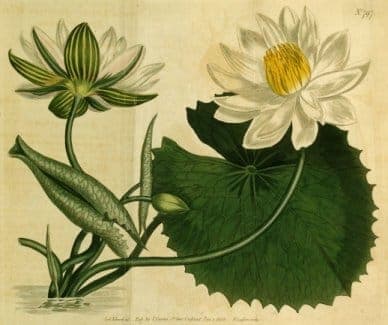
The Egyptian Lotus (Nymphaea lotus), also called white water-lily or tiger lotus, is a captivating aquatic plant native to Africa. Its large floating leaves and elegant white or pink flowers make it a showstopping addition to pond gardens. This rhizomatous plant thrives in shallow, still waters.
Appearance & Bloom Cycle
The Egyptian Lotus produces large, round leaves that float on or rise slightly above the water surface, reaching 30-50 cm in diameter. From June through October, the plant produces stunning flowers measuring 10-20 cm across. The petals are soft white with bright yellow stamens in the center. Flowers open during morning hours and close in the evening, a behavior known as nyctinasty.
Ideal Location
Full sun is essential for optimal flowering - provide at least 6 hours of direct sunlight daily. Position your pond in a sunny, sheltered area protected from strong winds that can damage floating leaves.
Soil Requirements
Plant in heavy clay or specially formulated aquatic substrate within containers at least 30 cm in diameter. The plant requires nutrient-rich soil for vigorous growth. A layer of nutrient-rich mud with organic matter under the water surface works well. Water depth should range from 30-60 cm for optimal growth.
Water Quality & Management
The plant must be completely submerged. Water should remain relatively still and clean, free from strong currents. Regularly remove algae and dead foliage. Partially change water during warm months to maintain dissolved oxygen. pH tolerance ranges from 5.5 to 7.5.
Diseño gratis
¿Quieres ver Egyptian Lotus: complete guide en tu jardín? Crea un diseño gratis ahora.
Maintenance
Remove spent flowers and damaged leaves regularly. During the growing season, apply slow-release aquatic fertilizer as needed. Monitor for aquatic insects and pests that may damage leaves. Prevent overcrowding by occasionally removing mature leaves.
Maintenance Calendar
May: Plant rhizomes in prepared aquatic substrate within containers. June-September: Apply fertilizer and enjoy prolific flowering. October: Remove dead foliage as temperatures decline. November-February: Plant overwinters submerged; ensure water doesn't completely freeze through circulation or heating cables.
Winter Hardiness
Egyptian Lotus is not winter-hardy in temperate climates. In warm regions (USDA 10-11), it survives outdoors. In cooler climates, lift rhizomes before winter, store in moist sand at 5-10°C, and replant in May.
Companion Aquatic Plants
Combine with other water lilies in contrasting colors, sedges, and reed-margin plants. Water lilies provide striking contrast to submerged oxygen-generating plants. Pair beautifully with lotus species (Nelumbo) for exotic garden effects.
Transform your pond into an oasis with Egyptian Lotus. Find quality plants at garden retailers like OBI or Hornbach in Germany.
Gardenworld.app specializes in water garden design. Visit gardenworld.app for inspiration on aquatic landscapes and water features.
¿Quieres ver Egyptian Lotus: complete guide en tu jardín? Crea un diseño gratis ahora.
Sube una foto, elige un estilo y obtén un diseño fotorrealista con lista de plantas en menos de un minuto.
Más de 10.000 jardines diseñados
Sin tarjeta de crédito


Plantas similares
Rocky Mountain pond-lily: complete guide
Nuphar polysepala
Everything about Rocky Mountain pond-lily (Nuphar polysepala): pond placement, soil, water care, pruning and winter hardiness tips.
Dotleaf Waterlily: complete guide
Nymphaea ampla
Nymphaea ampla, known as Dotleaf Waterlily, is a tropical aquatic plant from the Americas. Learn how to cultivate and maintain this beautiful water lily in your pond.
Roundleaf Waterlily: complete guide
Nymphaea conardii
Nymphaea conardii is a unique tropical waterlily with distinctive round leaves from Central and South America. Discover care tips for this specialized aquatic plant.