
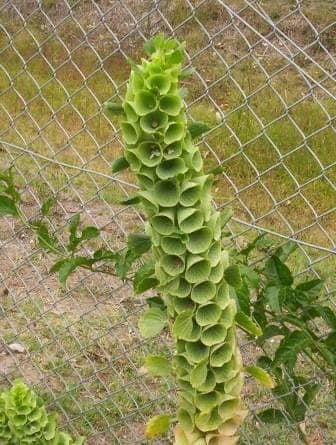
HelloMojo / CC BY-SA 3.0, via Wikimedia Commons
Shellflower: complete guide
Moluccella laevis
¿Quieres ver Shellflower: complete guide en tu jardín?
1 minuto, sin tarjeta de crédito
Overview
Moluccella laevis, known as shellflower, bells-of-Ireland or Molucca balm, is a fascinating annual plant from the Lamiaceae family. This plant naturally occurs in West Asia, from Afghanistan to Turkmenistan. The plant grows best in full sun and well-draining soil, making it ideal for modern cut-flower gardens.
Shellflower distinguishes itself through its unique structure: the true flower is small, white to pink, but surrounded by large, green, thin-walled calyces resembling shells. This spectacular effect makes it extremely popular for flower arrangements and dried bouquets. The plant grows upright, graceful and elegant.
Appearance and Bloom
Shellflower reaches heights of 60 to 90 centimeters with upright growth habit. The stem is green, smooth and shiny. The leaves are oval, fresh green and lightly hairy. The flowers arrange spirally around the stem.
What captivates the eye, however, are the green calyces. These are smooth (hence laevis), thin-walled, green to pale green and shell-shaped. The true small white or pink flowers appear in the center of each calyx. Bloom runs from July through October, depending on sowing date and climate.
Ideal Location
Shellflower grows best in full sun, at least six hours of direct sunlight daily. The plant tolerates some afternoon shade but grows poorly and blooms less richly. Choose a location with good air circulation to prevent disease.
This plant fits perfectly in ornamental gardens, cut-flower gardens and modern borders. It combines beautifully with other annual bloomers. For balcony and terrace, it can grow in large pots, though it grows less vigorously there than in open ground.
Soil
Shellflower is not very demanding regarding soil. Well-draining, moderately fertile soil is ideal. Heavy clay soils should be improved with sand and organic material. The plant tolerates sandy soils better than waterlogged clay soils.
PH can be neutral to slightly acidic. Add compost or peat when planting. Don't use too much fertilizer; this leads to excessive foliage at the expense of blooms. For cut-flower cultivation, slightly richer soil can be beneficial.
Diseño gratis
¿Quieres ver Shellflower: complete guide en tu jardín? Crea un diseño gratis ahora.
Watering
Shellflower must never dry out, especially not during growth period. Water when soil surface feels dry, approximately two to three times weekly depending on weather. Regular watering promotes better growth and richer bloom.
Water at the base, not over foliage, to prevent disease. Don't let water pool - well-drained soil is essential. Water container plants more frequently than ground-planted specimens.
Pruning
Pruning is not necessary except removing spent flower parts. This encourages growth of new side shoots. Letting the plant grow naturally results in better form than artificial pruning.
When the plant begins dying at season's end, it can be removed. Collect seed if you want to resow next year.
Maintenance Calendar
April-May: Sow seed in open ground or seed trays after frost danger passes. June: Plants establish, give careful watering. July-October: Water regularly, remove spent flower clusters. October-November: Harvest cut flowers at peak.
Winter Hardiness
Shellflower is an annual plant that is not winter-hardy. It cannot survive frost and dies back in autumn. This is not problematic, as new plants can easily be grown from seed each year. Self-collecting seed is simple and inexpensive.
Companion Plants
Shellflower combines beautifully with other summer bloomers. Plant with sunflowers, zinnias, dahlias and other sun-lovers. Also interesting is combination with purple or red flowers that contrast with the green calyces.
From a cut-flower standpoint, moluccella is a classic filler flower in bridal bouquets. In flower suppliers you'll find many combination possibilities.
Closing
Moluccella laevis deserves a place in every cut-flower garden and many ornamental gardens. This unique plant with its green shells is a real eye-catcher. Seeds available from garden centers and suppliers. Easy to sow, grows quickly and blooms abundantly. For more garden inspiration consult gardenworld.app. Discover how this spectacle brings your garden and flowers to life on gardenworld.app.
¿Quieres ver Shellflower: complete guide en tu jardín? Crea un diseño gratis ahora.
Sube una foto, elige un estilo y obtén un diseño fotorrealista con lista de plantas en menos de un minuto.
Más de 10.000 jardines diseñados
Sin tarjeta de crédito


Plantas similares
Apple mint (Mentha x villosa): complete guide
Mentha x villosa
Meet apple mint (Mentha x villosa): a fruity-scented kitchen herb with woolly leaves, perfect for tea and mojitos.
Salvia peyronii: complete guide
Salvia peyronii
Discover Salvia peyronii, a rare Lebanese mountain sage. Growing tips, hardiness, and companion planting for a Mediterranean gravel garden.
Bigleaf mint (Mentha x rotundifolia): complete guide
Mentha x rotundifolia
Discover bigleaf mint: cultivation, care tips, and garden uses. Learn how to grow this aromatic herb with soft, hairy leaves.