
Laitche / Public domain, via Wikimedia Commons
Mauranthemum paludosum: complete guide
Mauranthemum paludosum
¿Quieres ver Mauranthemum paludosum: complete guide en tu jardín?
1 minuto, sin tarjeta de crédito
Overview
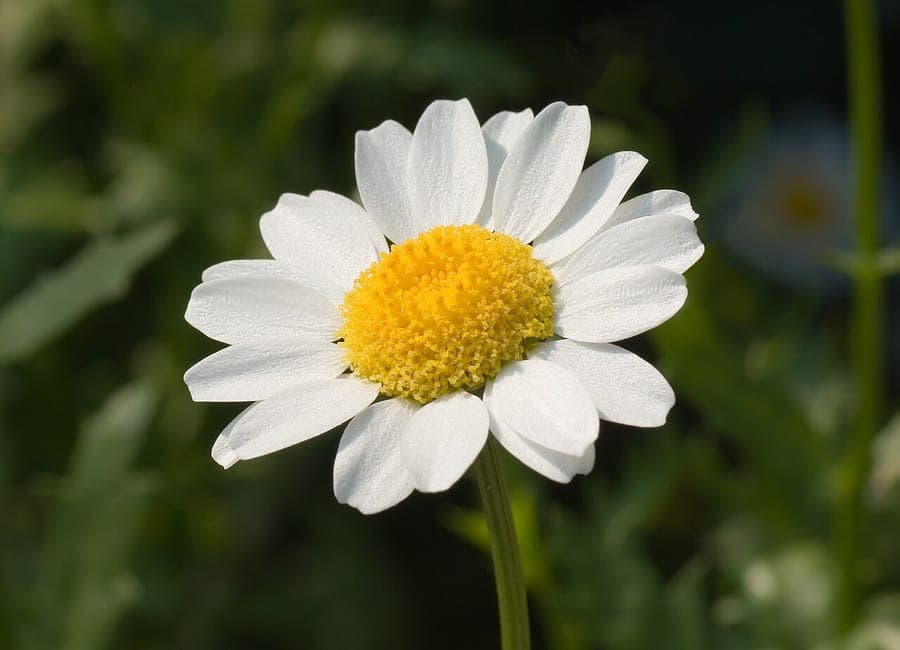
Mauranthemum paludosum, commonly known as marsh daisy, is a compact-growing groundcover native to North Africa and Spain. This plant is renowned for its abundance of white flowers with yellow centers, which provide a cheerful accent throughout the growing season. With its compact growth habit and carefree nature, this daisy is a favorite for summer flower beds.
Appearance and Bloom
This plant reaches a height of approximately 15-30 cm and forms an attractive, bushy silhouette. The flowers are small and white with a striking yellow center - typical of the Asteraceae family. The foliage is fine and dark green, creating a nice contrast with the bright blooms. The plant flowers continuously from May to September and forms a fantastic groundcover. At gardenworld.app, you'll find inspiration for combining compact bloomers like this in your garden design.
Ideal Location
Mauranthemum paludosum thrives best in a sunny location with at least 6 hours of direct sunlight daily. The plant tolerates partial shade, but flowering is less abundant. Ensure the spot is well-ventilated to prevent disease. This daisy is ideal for sunny borders, containers, or as underplanting in rose gardens.
Soil
The plant is undemanding and grows in virtually any soil type. The key is that soil is well-draining - waterlogging is essential to avoid. Heavy clay soil can be improved with sand or compost. A slightly acidic to neutral pH (6.4-7.4) is ideal. Work in compost if your soil is poor.
Diseño gratis
¿Quieres ver Mauranthemum paludosum: complete guide en tu jardín? Crea un diseño gratis ahora.
Watering
Keep the soil moderately moist but not waterlogged. Once the top layer feels dry, you can water. In dry summers, you may water less often thanks to the plant's drought tolerance. Water preferably at the base of the plant to prevent leaf rot. Containers need more frequent watering.
Pruning
Pruning is not strictly necessary, but you can lightly cut back the plant in June to encourage growth. This promotes a more compact form and more flowers. Regularly remove spent flowers to prolong blooming.
Maintenance Calendar
- March: Plant out after last frost
- May to September: Regular watering and deadheading
- June: Optional light pruning
- October: Use until end of season
Winter Hardiness
Mauranthemum paludosum is not winter-hardy in temperate climates and is typically grown as an annual. In USDA zones 9-10, the plant may act as a perennial, but in the Netherlands, Belgium, and France, it's best to use this as a summer-only plant.
Companion Plants
Combine this daisy with other summer bloomers such as:
- Blue or purple salvias
- Verbena with purple or pink flowers
- Lavender for texture
- Low-growing sedums
- Purple osteospermum
Final Thoughts
Mauranthemum paludosum is an excellent choice for any front garden thanks to its compact growth and prolific blooming. This plant requires minimal maintenance and brings color all summer long. At gardenworld.app, you can easily incorporate this daisy into your garden plan and discover how to combine it perfectly with other plants. Available at garden centers like Intratuin and Gamma.
¿Quieres ver Mauranthemum paludosum: complete guide en tu jardín? Crea un diseño gratis ahora.
Sube una foto, elige un estilo y obtén un diseño fotorrealista con lista de plantas en menos de un minuto.
Sin tarjeta de crédito


Plantas similares
Calendula stellata: complete guide
Calendula stellata
Complete guide to Calendula stellata, the star-flowered marigold from Sicily: location, soil, watering and companion planting tips.
Korean chrysanthemum: complete guide
Chrysanthemum x rubellum
Chrysanthemum x rubellum is a hardy autumn perennial with single pink to copper flowers from August to November. Care and combinations.
Helianthus divaricatus: complete guide
Helianthus divaricatus
Helianthus divaricatus is a North American woodland sunflower with yellow summer blooms, ideal for naturalistic borders and shady edges.