
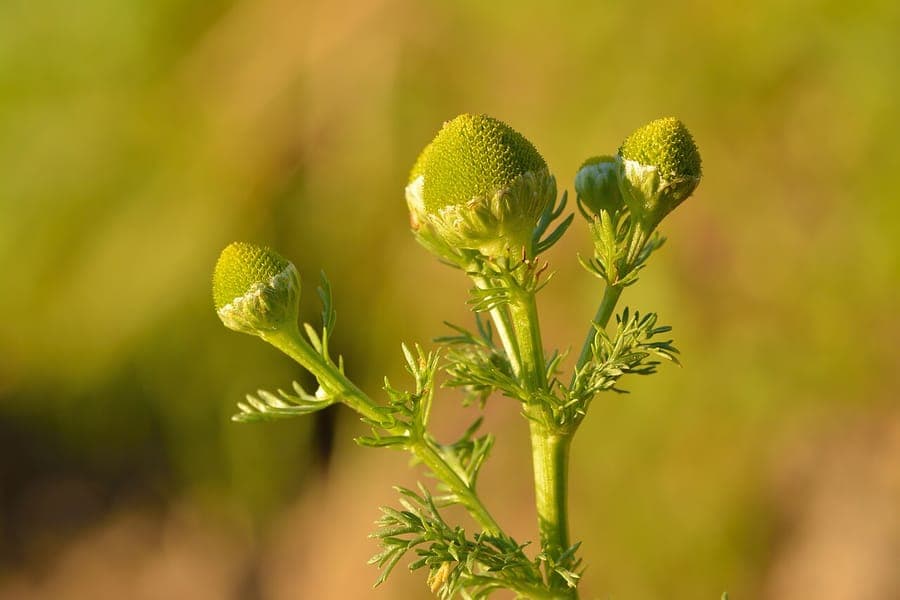
Ivar Leidus / CC BY-SA 3.0, via Wikimedia Commons
Disc Mayweed (Matricaria discoidea): complete guide
Matricaria discoidea
¿Quieres ver Disc Mayweed (Matricaria discoidea): complete guide en tu jardín?
1 minuto, sin tarjeta de crédito
Overview
Disc mayweed, scientifically known as Matricaria discoidea, is a distinctive daisy-family plant characterized by its charming, disc-shaped yellow flowers without the ray florets found on many other chamomile species. Native to North America, this plant has successfully naturalized across Europe, thriving in temperate and continental climates. The common name 'disc' refers to the prominent yellow central disc, which lacks the white petals typical of common chamomile varieties. What makes disc mayweed particularly special is its dual nature as both an ornamental garden addition and a valuable medicinal herb with a long ethnobotanical history.
Disc mayweed fits beautifully into multiple garden schemes. Whether you're designing a medicinal herb garden, a pollinator-friendly wildflower border, or simply seeking a low-maintenance flowering plant for foreground areas, this plant delivers exceptional value. The plant adapts well to various soil types and climatic conditions, making it particularly suitable for gardeners in the Netherlands, Belgium, and northern France. Many experienced gardeners appreciate disc mayweed for its reliability and the abundance of butterflies and beneficial insects it attracts throughout the growing season.
Appearance and Bloom Cycle
Disc mayweed typically reaches heights of 25 to 40 centimeters with a compact, bushy habit. The plants develop multiple finely branched stems clothed with delicate, finely divided foliage that resembles fern fronds. These aromatic leaves release a distinctive, pleasant scent when brushed against or handled, adding an olfactory dimension to garden experiences.
The flowers represent the plant's crowning achievement. Each flower head measures approximately 12 to 15 millimeters in diameter and consists entirely of tiny, tubular yellow florets densely packed into a dome shape. Unlike traditional daisies, disc mayweed lacks the surrounding white ray florets, creating an almost button-like appearance. The flowering period spans from June through October, providing three to four months of continuous color in the garden. Productive plants can generate hundreds of individual flowers across a single season.
These abundant flowers function as pollinator magnets. Honeybees, solitary bees, hoverflies, and numerous other beneficial insects visit disc mayweed consistently. This makes the plant invaluable in supporting pollinator populations and contributes significantly to garden biodiversity. Studies have shown that disc mayweed flowers can sustain insect populations through late summer when other nectar sources diminish.
Ideal Location
Disc mayweed performs optimally in full sun, requiring at least six to eight hours of direct sunlight daily. Southern and eastern exposures work excellently. Full sun exposure produces the most compact growth habit, densest flowering, and most concentrated aromatic profiles. The plant tolerates partial shade but becomes laxer and produces fewer flowers in shadier locations.
The plant exhibits good wind tolerance and thrives in open, airy garden positions. It's particularly valuable in windswept coastal gardens where many delicate plants struggle. Avoid locations against tall walls or beneath dense tree canopies where air circulation is restricted.
Soil Requirements
Disc mayweed is remarkably adaptable regarding soil type but prefers well-drained, moderately fertile growing media. The ideal pH range extends from 6.0 to 7.5 (neutral to slightly alkaline). Waterlogged soils are problematic; the plant tolerates drought far better than excessive moisture.
Gardeners with heavy clay should amend the planting area by incorporating sand or potting compost into the top 20 centimeters to improve drainage. Disc mayweed actually thrives in poor, sandy soils; rich compost additions often prove counterproductive, promoting lush foliage at the expense of flowering. In USDA zones 3-9, the plant establishes reliably when drainage conditions are met.
Diseño gratis
¿Quieres ver Disc Mayweed (Matricaria discoidea): complete guide en tu jardín? Crea un diseño gratis ahora.
Watering
Once established, disc mayweed exhibits reasonable drought tolerance. During the growing season (May through October), regular moisture is beneficial but not essential. Water when the top centimeter feels dry to the touch. Young transplants require more consistent watering during their first season; mature plants can endure extended dry periods in established gardens.
Water morning applications to minimize fungal disease risks. Avoid overhead watering; drip irrigation or soaker hoses are preferable. In July and August's peak heat, weekly watering supports vigorous flowering.
Pruning and Training
Disc mayweed requires minimal formal pruning. Regular deadheading extends the flowering season considerably. Remove withered flower heads as they brown, preventing the plant from setting seed prematurely and redirecting energy into continued flower production. Simple finger-pinching suffices for this task.
Optional early spring pruning (March) to about 15 centimeters encourages fuller, bushier growth. This treatment increases flower density on mature plants but isn't essential for healthy development.
Maintenance Calendar
March: Prune to 15 centimeters, remove winter debris, apply compost mulch. April: Acclimatize seedlings, direct sow seeds. May-June: Establish regular watering, avoid excessive feeding. June-October: Primary bloom season, deadhead consistently, water during droughts. November: Foliage color fades, winter dormancy begins. December-February: Winter rest period, minimal maintenance, collect seed if desired.
Winter Hardiness
Disc mayweed is typically cultivated as an annual or biennial in most northern European gardens, though it may persist for two to three years in very favorable conditions with excellent drainage and protected microclimate locations. The plant tolerates temperatures down to approximately minus 5 degrees Celsius. In harsh winter zones, ice damage and wet-snow damage often prove fatal.
Most gardeners treat it as an annual, sowing fresh seed each spring. In warmer regions (southern Germany, southern France), well-drained locations may produce perennial plants that self-seed reliably.
Companion Planting
Disc mayweed shines in wildflower and medicinal herb gardens. Pair it with classic garden herbs like bergamot (Monarda), garden sage, lavender, and thyme. The fine texture contrasts beautifully with blue Agapanthus, pink Cosmos, and purple Vernonia. In container gardens, combine with silver-leaved Artemisia or gray-green Santolina for sophisticated color combinations.
In medicinal gardens, position disc mayweed alongside common chamomile (Matricaria chamomila), mints, and other healing herbs. The compact growth habit allows planting densities of 4 to 5 plants per square meter without crowding issues. The plant attracts beneficial insects that help control pests affecting neighboring herbs and vegetables.
Benefits and Applications
Disc mayweed has an established history in herbal medicine traditions. The flowers produce a pleasant, mild infusion suitable for tea. In organic and biodynamic gardens, many practitioners employ disc mayweed as an indicator plant for soil health and microbial vitality. The species supports extensive pollinator populations and contributes to overall garden ecosystem health.
The aromatic foliage releases its scent passively, creating a pleasant olfactory experience. Some gardeners incorporate disc mayweed into compost preparations, believing it activates decomposition processes. The plant is entirely non-toxic to children and pets.
Gardenworld.app specializes in designing gardens where medicinal and functional plants like disc mayweed achieve optimal placement and integration. By uploading your front yard photo, you'll receive photorealistic redesigns incorporating flowering herbs with specific recommendations for continuous pollinator support. Gardenworld.app provides detailed maintenance guidance and seasonal calendars.
Conclusion
Disc mayweed represents an elegant, practical addition to diverse garden styles. Its cheerful yellow flowers, aromatic foliage, and extended blooming period appeal to both medicinal-minded gardeners and purely ornamental design enthusiasts. Sow seeds in April-May for summer flowering, ensure good drainage, provide full sun, and enjoy three to four months of prolific bloom. With minimal maintenance requirements, disc mayweed becomes an invaluable component of productive, beautiful, and ecologically supportive garden landscapes.
¿Quieres ver Disc Mayweed (Matricaria discoidea): complete guide en tu jardín? Crea un diseño gratis ahora.
Sube una foto, elige un estilo y obtén un diseño fotorrealista con lista de plantas en menos de un minuto.
Más de 10.000 jardines diseñados
Sin tarjeta de crédito


Plantas similares
Calendula stellata: complete guide
Calendula stellata
Complete guide to Calendula stellata, the star-flowered marigold from Sicily: location, soil, watering and companion planting tips.
Korean chrysanthemum: complete guide
Chrysanthemum x rubellum
Chrysanthemum x rubellum is a hardy autumn perennial with single pink to copper flowers from August to November. Care and combinations.
Helianthus divaricatus: complete guide
Helianthus divaricatus
Helianthus divaricatus is a North American woodland sunflower with yellow summer blooms, ideal for naturalistic borders and shady edges.