
Wikimedia Commons / CC BY-SA 3.0, via Wikimedia Commons
Hall's Crabapple: complete guide
Malus halliana
¿Quieres ver Hall's Crabapple: complete guide en tu jardín?
1 minuto, sin tarjeta de crédito
Overview
Hall's crabapple (Malus halliana) is an elegant ornamental apple tree native to central and southern China. This tree is celebrated for its enchanting pink weeping flowers and decorative red fruits. It is a popular choice for gardens seeking elegance and natural beauty combined with food for birds.
Appearance and Bloom
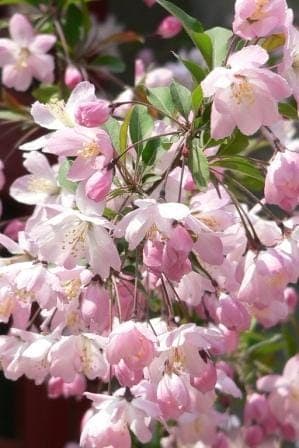
Malus halliana grows to a small to medium-sized tree reaching 5 to 8 meters tall, with an initially upright growth that spreads somewhat with age. The tree displays delicate pink to magenta flowers in April that weep gracefully from slender branches. The flowers are highly attractive to bees and insects. Later in the season, small cherry-sized red fruits develop, attracting numerous bird species throughout autumn and winter.
Ideal Location
Hall's crabapple grows best in full sunlight. Ensure the tree receives at least 6 hours of direct sun daily. A location with some protection from strong wind gusts is beneficial, as the slender branches are vulnerable to wind damage.
Soil
This crabapple prefers well-draining soil. The plant grows in many soil types, from acidic to slightly alkaline (pH 5.0 to 7.5). Rich soil promotes better growth and more abundant flowering. If your soil is compacted, work in sand or coarse compost.
Watering
Water regularly during the first growing season. Once established, Hall's crabapple is quite drought-tolerant. Water deeply but less frequently as the tree matures. Apply 5 centimeters of wood chip mulch around the base to retain soil moisture.
Diseño gratis
¿Quieres ver Hall's Crabapple: complete guide en tu jardín? Crea un diseño gratis ahora.
Pruning
Perform maintenance pruning immediately after bloom (May-June). Remove dead branches, diseased wood, and crossing branches. You can perform light pruning to improve form, but avoid heavy cutting that disrupts the natural habit.
Maintenance Calendar
Apply moderate nitrogen fertilizer in early spring (March). After bloom (May-June), perform maintenance pruning. During summer, ensure regular watering during dry periods. Autumn (September-October) is the time for general maintenance and inspection. Winter offers opportunity for deeper shaping if needed.
Winter Hardiness
Malus halliana is winter hardy to USDA zone 4, meaning the tree can grow in most parts of northern and western Europe. The tree can tolerate temperatures down to minus 30 degrees Celsius.
Companion Planting
Hall's crabapple pairs well with other ornamental apple species. At ground level, plant shade-tolerant groundcovers such as baby tears or waldsteinia. The red fruits attract birds throughout autumn and winter.
Final Thoughts
Malus halliana is an elegant ornamental apple tree that provides years of bloom and food for birds. With full sunlight, good drainage, and maintenance pruning, this tree will thrive. This is a perfect choice for bird enthusiasts. Purchase your Hall's crabapple from reputable nurseries.
Design your garden with this elegant tree on gardenworld.app! Discover how this Asian beauty fits perfectly with your garden style and preferences.
¿Quieres ver Hall's Crabapple: complete guide en tu jardín? Crea un diseño gratis ahora.
Sube una foto, elige un estilo y obtén un diseño fotorrealista con lista de plantas en menos de un minuto.
Más de 10.000 jardines diseñados
Sin tarjeta de crédito


Plantas similares
Siberian crab apple: complete guide
Malus x robusta
Complete guide to the Siberian crab apple (Malus x robusta): location, soil, pruning, winter hardiness and the best companion plants for your garden.
Chinese flowering crabapple (Malus x spectabilis): complete guide
Malus x spectabilis
Meet the Chinese flowering crabapple (Malus x spectabilis): a classic spring bloomer with carmine buds and pink blossom.
Potentilla crassinervia: complete guide
Potentilla crassinervia
Potentilla crassinervia, the Corsican cinquefoil, grows wild on Corsica and Sardinia's peaks. Discover how to grow this hardy alpine rock garden gem.