
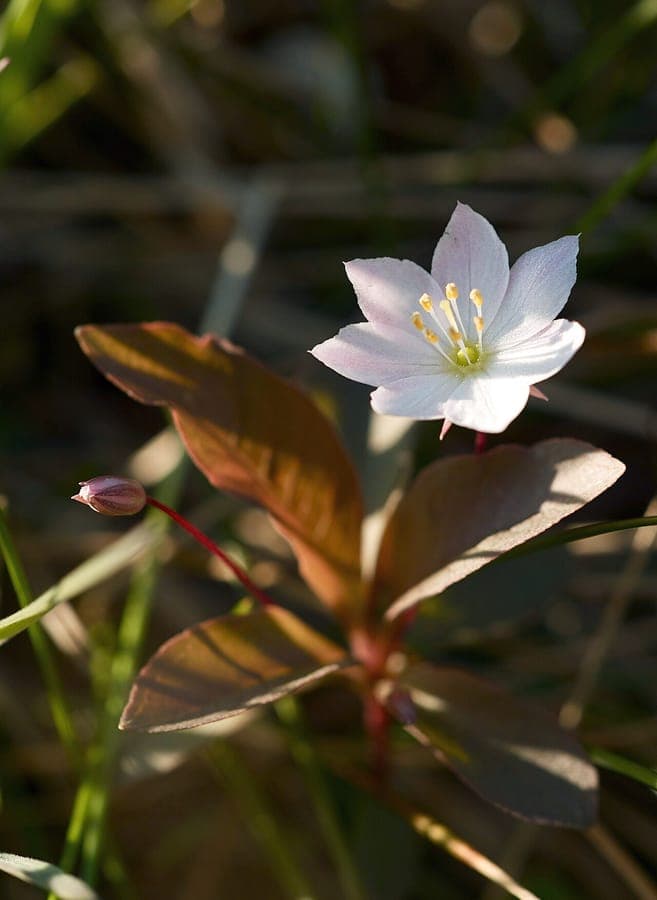
Jörg Hempel / CC BY-SA 2.0 de, via Wikimedia Commons
European loosestrife: complete guide
Lysimachia europaea
¿Quieres ver European loosestrife: complete guide en tu jardín?
1 minuto, sin tarjeta de crédito
Overview
European loosestrife, scientifically known as Lysimachia europaea, is a moisture-loving perennial naturally occurring across Europe and parts of Asia. This member of the Primulaceae family is perfect for naturalistic gardens, water gardens, and wetland areas. The European loosestrife plays an important role in aquatic ecosystems, providing valuable nectar for insects and supporting biodiversity. In gardens, this plant serves as an excellent choice for pond margins, marshy areas, and other permanently moist locations.
For garden designers working with water and wetland zones, gardenworld.app offers professional assistance in creating designs that optimally utilize this unique plant. European loosestrife grows to approximately 30-50 centimeters height and produces yellow flowers from May to July. This remarkably hardy and low-maintenance plant is ideal for ecologically responsible gardens and water features.
Appearance & Bloom Cycle
European loosestrife is a compact perennial displaying neat growth habit. The stems are upright, slender, and greenish, reaching approximately 30-50 centimeters height. The leaves are oppositely arranged, lanceolate to oval, 3-8 centimeters long, with smooth margins and prominent veining. The foliage is bright green and may acquire slightly reddish or purplish tones in warm conditions.
The flowers are small, approximately 0.5-1 centimeter in diameter, bright yellow, and grow in loose clusters arising from leaf axils. They are five-petaled, delicate in texture, and attract flies and bees. Flowering occurs from May to July, with peak activity in June. This relatively long flowering period provides months of garden interest. Following bloom, small rounded seed capsules develop, ripening in September-October as seeds naturally disperse.
Ideal Location: Sun, Shade, or Partial Shade
European loosestrife performs best in locations receiving full sun to partial shade. In its natural habitats along waterside margins, it receives regular sunlight combined with protection from surrounding vegetation. The plant flourishes with a minimum of 4-6 hours direct sunlight daily. In very shaded conditions, flowering diminishes but growth remains acceptable due to soil moisture levels.
The plant particularly suits pond and stream margins, where it gains protection from larger water plants. At gardenworld.app, you can learn how to strategically position water plants for optimal effect. For container specimens on terraces, a sunny position works well, though protection from the hottest afternoon sun proves beneficial.
Soil & Underground Requirements
European loosestrife makes very specific demands on soil composition. This plant requires continuously wet to marshy soil and can even thrive in permanently waterlogged conditions. pH can vary from acidic to neutral (pH 5.5-7.0), though the plant displays reasonable pH tolerance. The plant accepts heavy clay soils better than most garden plants, as these retain moisture effectively.
For garden cultivation, careful location selection is essential. Along pond margins, consistent water availability is critical - soil must never completely dry out. Organic matter such as leaf mold or peat can be incorporated to increase water-holding capacity. During dry periods, supplemental irrigation becomes necessary. For container cultivation, a mixture of garden soil compost and perlite with additional water-absorbing materials proves ideal.
Diseño gratis
¿Quieres ver European loosestrife: complete guide en tu jardín? Crea un diseño gratis ahora.
Watering: When and How Much
Water is essential for European loosestrife. In garden conditions, soil must remain permanently moist, making daily watering typical during the growing season. The plant can even grow several centimeters submerged underwater, which is exceptional for most garden plants. In pond-margin installations with groundwater circulation, special watering is unnecessary.
With container cultivation, pots require regular watering, with particular attention during warm periods. Ensure water doesn't stagnate around roots through adequate drainage provision. In winter, as the plant grows minimally, watering can be slightly reduced, but soil must never completely dry.
Pruning: When and How
European loosestrife requires minimal pruning intervention. Spent flowers can be removed throughout the season to encourage further blooming. In late autumn, October-November, the plant can be cut back to ground level for tidiness and to make space for new spring growth.
Caution must be exercised when pruning along waterside margins, where the plant holds ecological significance. Excessive pruning can disrupt insect habitat provision. For decorative purposes, light pruning maintains form.
Maintenance Calendar
- April - May: New growth begins. Start watering as temperature rises. Remove dead material from previous season. Light fertilizer application may be given.
- June - July: Peak flowering. Regular watering during dry periods. Removing spent flowers promotes continued blooming. No pruning needed.
- August - September: Bloom subsides, seed formation begins. Watering can be slightly reduced, but soil must not dry out. Allow seeds to disperse naturally.
- October - November: Plant prepares for winter. Cut back to ground level. Significantly reduce watering on dry sites, but maintain constant moisture along water features.
- December - March: Winter dormancy. Minimal activity. Water availability must continue. Prepare for spring growth.
Winter Hardiness & Protection
European loosestrife is exceptionally winter hardy, tolerating temperatures as low as -40°C, making it suitable for USDA zones 3-8 and beyond. In the Netherlands, Belgium, and the rest of Northern Europe, no winter protection is necessary. The plant dies back to ground level in winter, which is normal.
Underground parts are completely winter hardy and emerge with new growth in spring. In very harsh climates, a 5-10 centimeter mulch layer of organic material applied around the plant offers extra protection, though this is usually unnecessary. Along frozen waterside margins, the plant sustains no damage.
Companion Plants & Combinations
European loosestrife combines beautifully with other water plants and bird-friendly species:
- Iris species (especially water-lovers): The vertical structure of Iris contrasts beautifully with the more compact European loosestrife. Iris plants equally appreciate moist conditions.
- Caltha palustris (Marsh marigold): With yellow flowers resembling loosestrife, these two together create extended flowering period (April-July).
- Juncus (Sedge): The fine, grass-like structure of sedges forms interesting textural contrast with the more compact form of European loosestrife.
- Mentha aquatica (Water mint): Aromatic water mint grows well alongside loosestrife, creating interesting texture combinations.
- Potamogeton (Pondweed): Submerged plants like pondweed create ecological completeness in water gardens.
Materials are available at local garden centres, where water plant collections are offered.
Conclusion
European loosestrife is a valuable, reliable element for water and wetland zones in gardens. With its yellow flowers, preference for wet conditions, and ecological importance, it is ideal for naturalistic water gardens. For professional garden designs that optimally integrate water plants, gardenworld.app provides essential support. With minimal care and appropriate placement, this plant provides years of garden pleasure.
¿Quieres ver European loosestrife: complete guide en tu jardín? Crea un diseño gratis ahora.
Sube una foto, elige un estilo y obtén un diseño fotorrealista con lista de plantas en menos de un minuto.
Más de 10.000 jardines diseñados
Sin tarjeta de crédito


Plantas similares
Primula incana: complete guide to silvery alpine primrose
Primula incana
Silvery primrose (Primula incana), a delicate alpine flower with white blooms and powdered grey-green leaves. Growing, care, and cultivation guide.
Mealy cowslip: complete guide
Primula pulverulenta
Grow the Mealy cowslip (Primula pulverulenta): striking candelabra flowers in red and purple tones, moisture-loving and ideal for shady, damp garden corners.
Cliff dwarf-primrose: complete guide
Androsace laevigata
Full guide to growing Androsace laevigata, a rare Pacific Northwest alpine cushion plant. Planting, care, and garden design tips explained.