
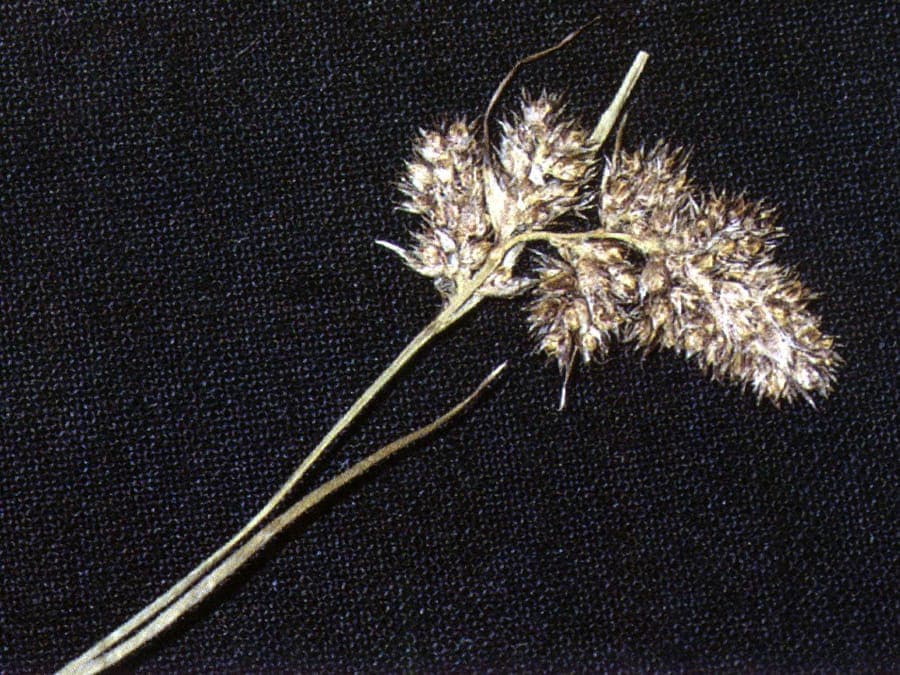
Robert H. Mohlenbrock / Public domain, via Wikimedia Commons
Luzula spicata: complete guide
Luzula spicata
¿Quieres ver Luzula spicata: complete guide en tu jardín?
1 minuto, sin tarjeta de crédito
Overview
Luzula spicata, commonly known as spiked wood-rush, is an elegant ornamental grass belonging to the Juncaceae family. This alpinely native plant grows naturally in subarctic regions and mountain habitats across the Northern Hemisphere. With its refined appearance and preference for challenging locations, it offers an ideal choice for modern gardens combining robustness with elegance.
This versatile grass naturally inhabits mountain meadows, rocky slopes, and alpine valleys. It is highly valued by landscape architects and designers for its resilient character and modest requirements. Luzula spicata provides a refined alternative to conventional groundcovers, adding texture to alpine gardens.
Appearance and Bloom Time
Luzula spicata grows in compact tufts with narrow, fine foliage that remains dark green throughout the season. The leaves display a characteristic sheen and create a stiff, structured appearance. The plant reaches a modest height of approximately 15-25 cm, making it perfectly suited for border plantings and alpine features.
Flowers emerge between June and August. These are very discrete, gathered into small, nodding spikes of dark brown to chestnut color. The blooms add little color accent but provide interesting textural elements to the garden landscape.
Ideal Location
Luzula spicata thrives in full sun to partial shade. For optimal growth, a minimum of 6 hours of direct sunlight daily is beneficial. This plant is remarkably tolerant of wind damage and cold - indeed, such challenging conditions are readily endured.
This grass is ideal for alpine gardens, rock constructions, mountainous landscapes, and meadow gardens. It forms an elegant accent along pathways and borders in modern gardens. In gardenworld.app design plans, it is regularly used for height and texture without visual dominance. The plant grows perfectly in containers and alpine troughs.
Soil
Luzula spicata makes no excessive demands on soil quality. It grows well in poor, acidic to neutral soils with pH 4.0-5.5. The plant tolerates dry ground thanks to its surface reserves and fibrous root structure.
Prioritize well-draining soil. Alpine sand, gravel, and perlite can be added to heavy clay soils for improved drainage. Organic material is unnecessary and may actually prove counterproductive - this plant prefers spartan conditions.
Diseño gratis
¿Quieres ver Luzula spicata: complete guide en tu jardín? Crea un diseño gratis ahora.
Watering
Once established, Luzula spicata is exceptionally drought-tolerant. Young plants in the first growing season require moister soil. Water regularly during dry periods until plants are firmly rooted, typically after 4-6 weeks.
Adult plants require minimal moisture. Excess moisture must be avoided, particularly in winter. This grass grows wild in mountain regions with highly variable moisture levels - it is adapted to these extreme conditions.
Pruning
Luzula spicata requires little pruning. Remove dead or damaged foliage at season's end as needed. Regular pruning is not recommended as it can disrupt the plant's natural form.
Major leaf removal is only necessary if the plant has suffered severe frost or disease damage. Trimming should be done carefully with clean tools to prevent infection.
Maintenance Calendar
Spring (March-May): Inspect for winter damage. Begin regular watering if rains are lacking. Gently remove dead leaves.
Summer (June-August): Maintenance is minimal. Remove weeds around the plant. Observe bloom and enjoy texture.
Fall (September-November): Leave foliage alone - it provides winter structure. Prepare for cooler weather.
Winter (December-February): Protect from waterlogging. No fertilizer needed.
Winter Hardiness
Luzula spicata is extremely winter-hardy, tolerating very low temperatures. This grass naturally grows in subarctic regions and easily survives to -40 degrees Celsius. In gardenworld.app design programs, it is regularly recommended for USDA zones 2-8.
The plant requires no winter protection in temperate climates. In extreme, wet winters, proper drainage is the only precaution needed.
Companion Plants
Luzula spicata combines beautifully with other alpine plants. Try it with mossy sedums, saxifrages, and alpine stonecrops. This combination provides textural variety and interest throughout the season.
Small alpine groundcovers such as Thymus serpyllum and Sagina subulata form elegant companions. For color add alpine bells and alpine avens. This strategy works well in modern garden designs emphasizing texture and form over color.
Closing Remarks
Luzula spicata deserves more attention in modern garden design. With its refined elegance, minimal maintenance requirements, and extreme winter hardiness, it offers a valuable option for challenging locations. Whether you are creating an alpine garden or simply seeking an interesting grass option for difficult corners - this humble grass merits a place in your garden plan.
Available at your local plant retailer. Discover this elegant grass and bring alpine elegance to your garden design - gardenworld.app helps you find the perfect spot.
¿Quieres ver Luzula spicata: complete guide en tu jardín? Crea un diseño gratis ahora.
Sube una foto, elige un estilo y obtén un diseño fotorrealista con lista de plantas en menos de un minuto.
Sin tarjeta de crédito


Plantas similares
Short-fruited Rush (Juncus brachycarpus): complete guide
Juncus brachycarpus
Complete guide to Juncus brachycarpus: wet soil, pond margins, bloom season, division and winter care for this North American rush in garden ponds.
Smallhead rush: complete guide
Juncus brachycephalus
Smallhead rush (Juncus brachycephalus) - a slender North American wetland plant for pond margins and boggy garden zones. Full care guide.
Mertens' rush: complete guide
Juncus mertensianus
Mertens' rush (Juncus mertensianus) - a compact alpine wetland plant with purple-brown flower heads for cool pond margins. Full growing guide.