
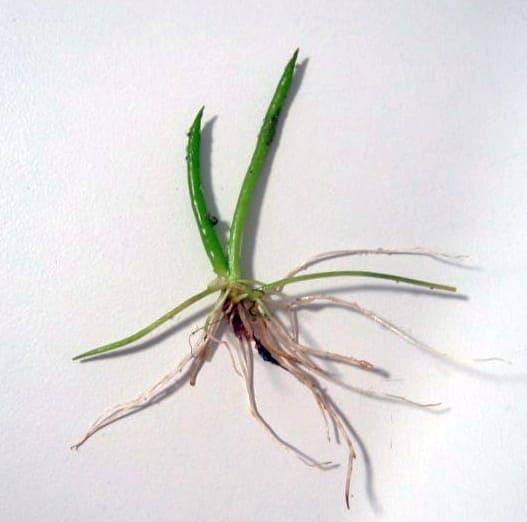
Kristian Peters -- Fabelfroh 13:06, 10 October 2006 (UTC) / CC BY-SA 3.0, via Wikimedia Commons
Littorella uniflora: complete guide
Littorella uniflora
¿Quieres ver Littorella uniflora: complete guide en tu jardín?
1 minuto, sin tarjeta de crédito
Overview
Littorella uniflora, commonly known as American shoreweed or simply shoreweed, is a remarkable aquatic plant from the Plantaginaceae family. This small but fascinating plant is native to large portions of Europe, including the Netherlands, Belgium, Germany, and France, where it naturally inhabits shallow freshwater ecosystems. The plant excels in marshy habitats and along lake and pond margins, displaying exceptional adaptability to fluctuating water levels and marginal zones where water and land converge. Different regions know this plant by various common names: Littorelle in French, Europäischer Strandling in German, and Oeverkruid in Dutch. It plays a crucial ecological role in natural aquatic environments and is increasingly popular among aquarium enthusiasts seeking to create natural underwater landscapes with authentic plant communities.
The botanical interest in Littorella uniflora continues to grow among aquarium hobbyists and ecological gardeners who appreciate its specialized habitat requirements and aesthetic appeal. For pond designers and aquatic managers, this species offers unique possibilities for naturalizing marginal zones and creating biologically diverse water gardens. The plant remains less commonly cultivated in commercial nurseries compared to other aquatic plants, making knowledge about its cultivation even more valuable. With proper understanding and appropriate growing conditions, Littorella uniflora can develop into a stunning addition to any water garden project. Visit gardenworld.app to explore comprehensive resources about aquatic plant cultivation and water garden design.
This delicate aquatic plant demonstrates the remarkable diversity found in European freshwater ecosystems. Its presence in a garden or aquarium serves as both an aesthetic enhancement and a functional component in achieving natural water conditions and ecological balance.
Appearance & bloom cycle
Littorella uniflora presents itself as an exceptionally small aquatic plant with a distinctive growth pattern characteristic of amphibious species. The plant develops dense rosette-like clusters of narrow, elongated leaves that emerge directly from the growing point at the base. These leaves are fine and grass-like in appearance, typically ranging from 5 to 15 centimeters in length, with a pale green to bright green coloration. The leaf texture is soft and delicate, almost thread-like, giving the entire plant an ethereal, refined aesthetic that works beautifully in both natural water gardens and carefully designed aquariums.
The flowering of Littorella uniflora is subtle and easily overlooked, yet genuinely fascinating when observed carefully. Small flowers emerge above the water surface and are distinctly diminutive in size, generally measuring less than 1 centimeter across. Flower color ranges from white to pale pink, creating delicate accents above the water line. The bloom period extends through the warmer months, typically from May through September, though timing varies with growing conditions and water temperatures. Each flower consists of only a few petals and pollination occurs naturally when the plant grows in suitable conditions with adequate water movement and insect activity.
The plant functions as a true amphibious species, capable of thriving both fully submerged and partially emergent in marginal zones. This dual growth mode makes Littorella uniflora exceptionally valuable for pond margins where water levels naturally fluctuate seasonally. In aquarium settings, the plant remains fully underwater while developing attractive green clusters that contribute depth, dimension, and natural structure to the tank layout. Growth rate is moderate; with consistent fertilization and adequate lighting, new leaves develop at a steady pace, allowing the plant to gradually fill designated spaces over several months.
Ideal location
Littorella uniflora thrives in bright to partially shaded locations receiving at least 4 to 6 hours of direct sunlight daily. In aquariums, adequate light intensity is essential for healthy development; ideally LED lighting providing 0.5 to 1 watt per liter of tank volume. The plant tolerates more shaded conditions but develops thinner, less dense growth patterns when light is limited. For pond cultivation, locations directly at the water's edge where periodic alternation between wet and dry conditions occur naturally are ideal.
Water temperature significantly influences Littorella uniflora's wellbeing and growth vigor. The plant performs optimally in cool to temperate conditions, with ideal water temperatures ranging from 12 to 18 degrees Celsius. This characteristic makes it an excellent choice for northern European gardens and for unheated aquarium systems. In warm water exceeding 24 degrees Celsius, the plant becomes susceptible to excessive algae growth and bacterial infections that compromise long-term survival.
Full sun positions without protection can become problematic during extremely hot periods, as the plant may experience heat stress. Partial shading provided by trees or shrubs, particularly during the hottest summer months, can be beneficial. In aquariums with artificial lighting, maintaining 8 to 10 hours of light daily produces optimal results. The plant responds positively to gentle water movement; slight currents actively stimulate healthy development and prevent stagnant conditions that promote disease.
Diseño gratis
¿Quieres ver Littorella uniflora: complete guide en tu jardín? Crea un diseño gratis ahora.
Soil requirements
Littorella uniflora demonstrates no strict preference for specific soil types and grows equally well in sandy or peat-based substrates. In pond environments, the plant can be established directly in the pond bottom or in shallow planting containers filled with nutritious aquatic plant substrate. Using nutrient-rich aquatic planting soil ensures optimal growth and development. The plant also manages reasonably well in very nutrient-poor soils, though growth proceeds more slowly under such conditions, requiring patience from the gardener.
Water pH is relatively unimportant for Littorella uniflora's survival and development. The plant grows successfully in very acidic to neutral water without complications. For optimal growth, pH values between 5.5 and 7.0 are ideal. Highly alkaline water with pH above 8.0 is tolerated less favorably and may eventually suppress growth.
Nutrient provision is important for maintaining plant health over extended periods. In aquariums, applying liquid plant fertilizer twice monthly supports steady growth. In pond environments, natural decomposition of leaf material and aquatic debris typically provides sufficient nutrients. Iron-enriched fertilizers help correct yellowing leaf symptoms when they appear, indicating micronutrient deficiency.
Watering
In aquarium settings, Littorella uniflora requires regular water changes to maintain optimal conditions. A weekly partial water change of 25 to 30 percent is recommended for preserving excellent water quality and preventing the accumulation of harmful compounds. The plant exhibits sensitivity to very dirty water with excessive organic debris, making effective filtration and aeration absolutely essential for long-term success.
Oxygen availability in the water significantly impacts plant performance and overall vigor. The plant grows substantially better in well-oxygenated water environments. This can be achieved through regular water changes, adequate filtration systems, and optional supplemental aeration equipment. In stagnant water lacking circulation and gas exchange, the plant will struggle and gradually decline.
Moisture requirements are obviously maximum, as this is a true aquatic plant. Even in amphibious growth modes, the plant must remain continuously moist or submerged. Desiccation is absolutely fatal to this delicate aquatic species.
Pruning
Littorella uniflora requires minimal pruning intervention. The plant grows compactly and rarely develops long, unsightly shoots requiring removal. Dead or yellowing leaves can be carefully removed to prevent disease transmission and maintain aesthetic appearance. When grown in containers, the plant can be divided once per season and replanted to stimulate denser, more compact growth patterns.
Maintenance calendar
May to June: Beginning of growth season; apply fertilizers and verify lighting is adequate. July and August: Peak growth period; maintain regular water changes and monitor for excessive algae growth. September to October: Growth slows; reduce fertilizer application. November to April: Winter dormancy; minimal interventions necessary, though water circulation should continue.
Winter hardiness
Littorella uniflora is completely winter-hardy in temperate European climates. The plant survives northern pond winters without difficulty, provided water doesn't freeze solid. During extremely severe winters, light protection using straw mulch may be beneficial. In aquariums, turning off heaters during winter causes no problems whatsoever for this cold-tolerant species.
Companion plants
Littorella uniflora combines attractively with other marginal aquatic plants such as Parnassia palustris, Mentha aquatica, and various sedge species native to wetlands. In aquarium settings, it works beautifully alongside fine-leaved plants like Ludwigia and Eleocharis species. The plant benefits from the presence of slow-growing fish species that actively consume excess algae, maintaining clear water conditions.
In pond environments, Littorella uniflora can be combined with larger marginal plants including Iris laevigata and Pontederia species for layered, natural-looking compositions. Pairing with native sedges and bristle rush creates biologically authentic and ecologically valuable aquatic ecosystems. Avoid fast-growing floating plants like water hyacinth, which create excessive shade and compete aggressively for resources.
Littorella uniflora works successfully alongside diverse aquatic fauna. Snails show little interest in consuming the delicate foliage, making them compatible. Crayfish and aquatic shrimp can coexist carefully with this plant without causing significant damage.
Closing
Littorella uniflora is a wonderful aquatic plant that proves ideal for anyone seeking more natural, ecologically responsible water gardens. With appropriate conditions, cool water temperatures, and consistent maintenance, this plant will thrive and flourish for many years. Whether establishing a naturalistic pond margin or creating a more lifelike aquarium environment, this aquatic species offers fascinating cultivation opportunities. Visit gardenworld.app for additional inspiration and expert advice regarding water garden design and aquatic plant selection.
¿Quieres ver Littorella uniflora: complete guide en tu jardín? Crea un diseño gratis ahora.
Sube una foto, elige un estilo y obtén un diseño fotorrealista con lista de plantas en menos de un minuto.
Más de 10.000 jardines diseñados
Sin tarjeta de crédito


Plantas similares
White Beardtongue: complete guide
Penstemon albidus
Discover white beardtongue (Penstemon albidus) - elegant perennial with white to cream flowers. Drought-resistant, perfect for prairie and dry gardens.
Longsepal Beardtongue: complete guide
Penstemon calycosus
Discover longsepal beardtongue (Penstemon calycosus) - beautiful perennial with lilac-blue flowers. For partial shade and moist soil. Ideal for naturalized.
Penstemon cusickii: complete guide
Penstemon cusickii
Discover Cusick's beardtongue, a compact alpine flowering plant with violet-pink blooms. Perfect choice for rock gardens and water-wise landscaping.