
El Grafo / CC BY-SA 3.0, via Wikimedia Commons
Liriodendron chinense: complete guide
Liriodendron chinense
¿Quieres ver Liriodendron chinense: complete guide en tu jardín?
1 minuto, sin tarjeta de crédito
Overview
The Chinese tulip tree (Liriodendron chinense) belongs to the Magnoliaceae family and stands among Asia's most captivating trees. With its unique tulip-shaped flowers and distinctive leaf morphology, this specimen offers an extraordinary combination of botanical interest and structural elegance. Native to central and southern China extending into Vietnam, this moderately growing tree creates an impressive silhouette in any landscape. For gardeners seeking something truly exceptional, the Chinese tulip tree deserves prominent consideration.
The tree is valued for its robustness and adaptability to various climates. Its foliage transforms to vibrant golden-yellow in autumn, adding seasonal dimension to your garden design. This is a tree that rewards thoughtful placement with years of beauty.
Appearance and bloom
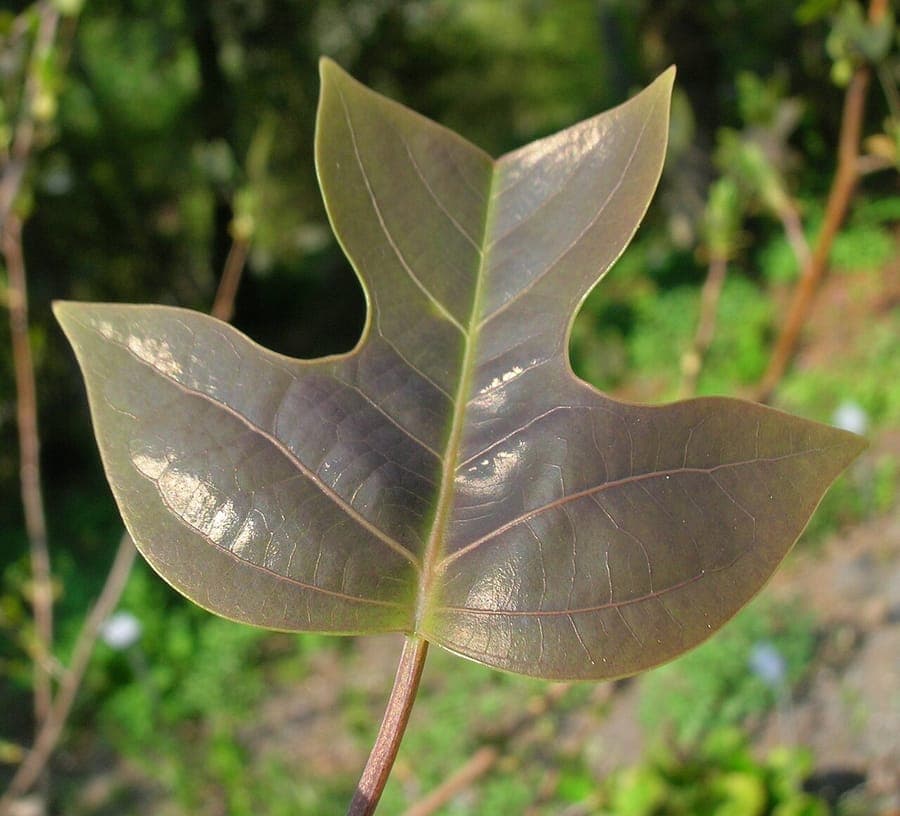
Liriodendron chinense distinguishes itself through remarkable leaf shape - resembling a cat's face or truncated apex. Leaves are large, light green, and feature two characteristic notches at their tips, making this tree instantly recognizable from considerable distance. In spring, tulip-like flowers emerge: exquisite blooms with greenish exteriors and yellow interiors that rise above the foliage.
Blooming occurs from April through May, varying by local climate. After flowering, distinctive seed cones develop with architectural appeal. Autumn foliage transitions from light to golden yellow, providing additional seasonal interest. Young bark is smooth and gray, becoming increasingly furrowed and darker with age.
Ideal location
This tree thrives in full sun to light shade conditions. A minimum of six hours of direct daily sunlight optimizes flowering performance. The tree demonstrates wind tolerance, though young specimens benefit from some protection. In exposed locations, consider potential wind damage or bark splitting.
An open landscape position - perhaps as a solitary specimen in a meadow - maximizes appreciation of the tree's distinctive form and blooms. Avoid crowded settings where the tree must compete for light and space. This is a tree suited to larger gardens and parks rather than cramped urban plots.
Soil
Liriodendron chinense prefers well-draining soil. A slightly acidic pH of 6.0 to 6.5 is optimal, though the tree tolerates neutral soils adequately. Heavy clay soils pose challenges and benefit from added organic matter. The tree shows no tolerance for waterlogging.
When planting, amend the excavated soil with compost, peat, or leaf mold to improve water retention and nutrient content. Ensure the root zone drains freely. A mulch layer of 5-8 cm around the tree base helps retain moisture and buffer temperature fluctuations.
Diseño gratis
¿Quieres ver Liriodendron chinense: complete guide en tu jardín? Crea un diseño gratis ahora.
Watering
Young trees require regular irrigation to establish strong root systems. Water consistently during the growing season - at least twice weekly, more during dry spells. Mature trees become relatively drought-tolerant but flower better with adequate moisture. Supplemental watering is essential during dry summers.
Ensure water penetrates deeply rather than running off superficially. For container specimens, drainage remains paramount. Avoid overhead watering that may damage heavy blooms - water at the tree base instead. Mature trees need minimal winter irrigation in most climates.
Pruning
The Chinese tulip tree requires minimal pruning. Allow the tree to maintain its natural form. Remove only dead, damaged, or crossing branches, ideally in late autumn through early spring when the tree is dormant.
Avoid heavy pruning that disrupts the natural silhouette. On young specimens, gentle pruning may encourage better branching structure. Seal large pruning wounds with wound dressing to prevent disease entry. Professional pruning expertise is recommended for major work.
Maintenance calendar
Spring (March-May): Apply balanced fertilizer (10-10-10 or equivalent NPK). Scout for pests and diseases. Monitor soil moisture.
Summer (June-August): Water consistently in dry periods. Apply mulch around base. Continue pest and disease monitoring.
Autumn (September-October): Reduce watering as growth slows. Collect fallen leaves as mulch material.
Winter (November-February): Minimal maintenance. Inspect for snow or ice damage. Plant new specimens.
Winter hardiness
The Chinese tulip tree shows moderate cold tolerance. In temperate climates (USDA zones 6-7), it may overwinter, though young trees benefit from frost protection. In colder regions (zone 5 and below), container cultivation with winter indoor housing becomes necessary, or extensive protection must be provided.
In severe winters, twig dieback may occur. Thick mulch layers and protective burlap wrapping help safeguard young trees. Choose sheltered planting locations away from cold winds for best results.
Companion planting
The Chinese tulip tree partners well with understory plantings that appreciate dappled shade. Choose shade-tolerant groundcovers and shrubs that don't compete aggressively for moisture. The tree's canopy eventually creates its own micro-climate.
Conclusion
The Chinese tulip tree deserves recognition as a remarkable choice for serious gardeners. With tulip-shaped flowers, distinctive foliage, and golden autumn color, this East Asian treasure offers incomparable beauty. Plant one in your garden and enjoy decades of elegant form and seasonal transformation.
Find plant material and complete care advice at specialist garden centers. Bookmark gardenworld.app for more botanical inspiration. Design your dream garden easily with this and other spectacular plants via gardenworld.app.
¿Quieres ver Liriodendron chinense: complete guide en tu jardín? Crea un diseño gratis ahora.
Sube una foto, elige un estilo y obtén un diseño fotorrealista con lista de plantas en menos de un minuto.
Más de 10.000 jardines diseñados
Sin tarjeta de crédito


Plantas similares
Saucer magnolia: complete growing guide
Magnolia × soulangeana Soul.-Bod.
Saucer magnolia is a hybrid featuring spectacular pink-white flowers appearing before leaf emergence. Ideal as specimen plant. Winter-resistant to -15°C.
Magnolia delavayi: complete guide
Magnolia delavayi
Delavay magnolia is an imposing shrub from southern China with large glossy leaves and fragrant creamy-white flowers. Learn about cultivation, hardiness, and care for this rare species.
Sweet michelia: complete guide
Magnolia doltsopa
Discover the sweet michelia, a majestic tree from the Himalayas. Learn everything about this impressive specimen, blooming, and perfect growing conditions.