
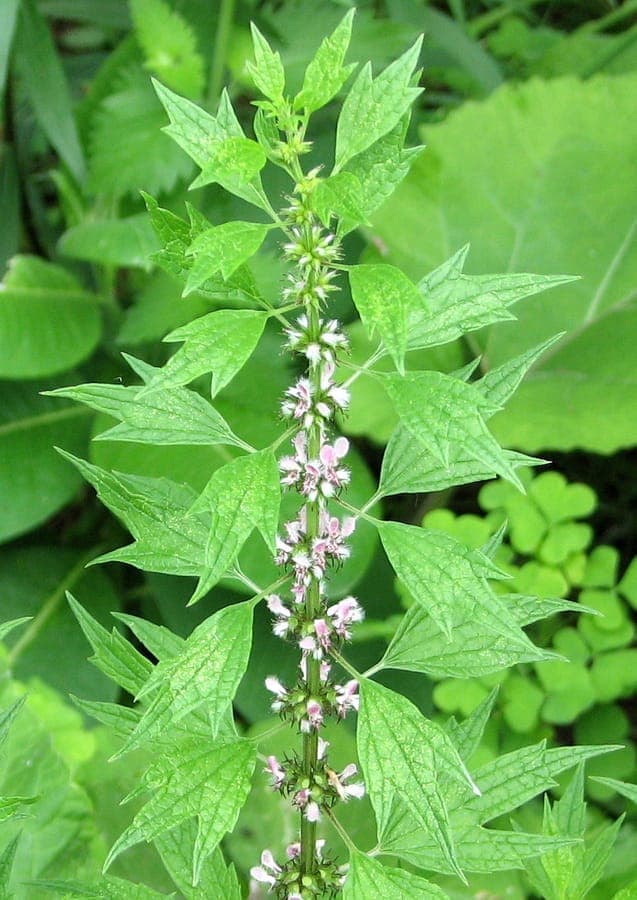
D. Gordon E. Robertson / CC BY-SA 3.0, via Wikimedia Commons
Leonurus cardiaca: complete guide
Leonurus cardiaca
¿Quieres ver Leonurus cardiaca: complete guide en tu jardín?
1 minuto, sin tarjeta de crédito
Overview
Leonurus cardiaca, commonly known as Motherwort, is a hardy herbaceous perennial belonging to the Lamiaceae family (mint family). Native to Europe and extending into Iran, this plant has been cultivated for centuries in European gardens and holds traditional medicinal significance. Growing 60 to 150 cm tall, Motherwort develops strong, angular stems with distinctive foliage and charming flowers that attract pollinators throughout the growing season.
The plant's common name references its traditional use in supporting heart health and wellness. In contemporary gardens, Motherwort is valued for its robust growth habit, extended blooming period, and ornamental appeal.
Appearance and Bloom
Motherwort displays distinctly recognizable features:
Foliage: Leaves are deeply lobed and hairy with a coarse texture. The color ranges from green to greyish-green with prominent veination, creating an intricate, textured appearance.
Flowers: Flowers develop in dense spikes, 5-10 cm long, colored in shades of pink to purple. They grow in whorls (verticils) along the stem. Blooming occurs from June through September.
Stems: Stems are strong, angular, and hairy, becoming woody as the plant matures. Their architectural quality makes them valuable in winter garden compositions.
Growth habit: The plant typically develops an upright, bushy form without requiring major structural pruning.
Ideal Location
Motherwort thrives best in:
Light: Full sun (minimum 6 hours direct sunlight daily). The plant tolerates partial shade but blooms more profusely in full sun exposure.
Temperature: This is a cold-hardy plant performing well in temperate climates (USDA zones 4-9). In Northern European regions, it grows without winter protection.
Wind tolerance: Strong stems make this plant wind-resistant in exposed locations.
For gardenworld.app recommendations: position in full sun for optimal blooming and robust growth.
Soil
Leonurus cardiaca is undemanding regarding soil conditions:
Texture: Thrives in sandy, loamy, or clay soils. Drainage is essential; avoid waterlogged conditions.
pH: Tolerates neutral to slightly alkaline soil (pH 6.5-7.5).
Fertility: Moderately fertile to poor soil preferred. Excessive fertilization reduces flowering.
Preparation: Work in aged compost before planting. This promotes establishment without overfertilizing.
Watering
Initial establishment: Water regularly for 2-3 weeks after planting until the plant is established.
Maintenance watering: Once established, Motherwort is quite drought-tolerant. Water deeply only during dry periods (less than 2.5 cm rainfall weekly).
Preference: The plant shows slight preference for drier conditions rather than excessive moisture, preventing root rot.
Seasonal: Reduce watering in autumn as the plant enters dormancy.
In Northern Europe: supplement water only during hot, dry summers.
Diseño gratis
¿Quieres ver Leonurus cardiaca: complete guide en tu jardín? Crea un diseño gratis ahora.
Pruning
First year: Cut the plant back to half height when approximately 30 cm tall. This promotes branching and bushier form.
Subsequent years: After blooming (August-September), prune to approximately 15 cm height. This removes seed capsules and encourages new growth.
Spring maintenance: In March, remove dead or damaged stems. The plant recovers quickly.
Cut flowers: Harvest spikes when approximately three-quarters of the flowers are open.
Maintenance Calendar
March-April: Spring cleanup, remove dead material, apply light nitrogen fertilizer.
May-June: Regular watering as growth season begins. Stake tall varieties if needed.
July-August: Peak flowering. Deadhead to extend blooming. Water during extreme heat.
September-October: Declining bloom. Prune after flowering. Remove seed capsules unless self-seeding is desired.
November-January: Plant enters dormancy. Minimal watering. No pruning required.
February-March: Prepare for spring season. Check for winter damage.
Winter Hardiness
Leonurus cardiaca is exceptionally winter-hardy:
USDA Zones: 4-9 (hardy to -30°C).
Northern European winters: The plant survives regular winters without protection.
Protection: In severe winters (below -20°C), mulching 5-10 cm around the base provides additional security.
Frost sensitivity: Foliage dies back in winter, but the plant re-emerges from the root system in spring.
Companion Plants
Motherwort pairs well with:
Herbaceous companions: Other Lamiaceae species such as Salvia (Sage) and Thymus (Thyme), sharing similar growth and moisture requirements.
Flowering partners: Combine with late-season bloomers like Asters and Echinacea (Purple Coneflower) for extended color.
Pollinator support: Plant near bee and butterfly garden plants. Motherwort is highly attractive to pollinators.
Architectural contrast: Position beside shrubs with varied foliage texture for visual interest.
Not recommended: Avoid close proximity to moisture-loving plants like hostas with different water requirements.
Conclusion
Leonurus cardiaca offers gardeners a robust, versatile plant that is both botanically interesting and practically valuable. Whether you're developing medicinal herb gardens or simply seeking a characterful addition, Motherwort deserves consideration.
Via gardenworld.app, you can determine precise plant positioning and visualize combinations with other garden species. The AI-driven design system helps identify ideal locations for Motherwort, ensuring it reaches full potential and provides year-round garden interest.
Visit gardenworld.app to create your perfectly designed garden featuring Leonurus cardiaca and discover how this plant integrates seamlessly into your complete landscape vision.
¿Quieres ver Leonurus cardiaca: complete guide en tu jardín? Crea un diseño gratis ahora.
Sube una foto, elige un estilo y obtén un diseño fotorrealista con lista de plantas en menos de un minuto.
Más de 10.000 jardines diseñados
Sin tarjeta de crédito


Plantas similares
Apple mint (Mentha x villosa): complete guide
Mentha x villosa
Meet apple mint (Mentha x villosa): a fruity-scented kitchen herb with woolly leaves, perfect for tea and mojitos.
Salvia peyronii: complete guide
Salvia peyronii
Discover Salvia peyronii, a rare Lebanese mountain sage. Growing tips, hardiness, and companion planting for a Mediterranean gravel garden.
Bigleaf mint (Mentha x rotundifolia): complete guide
Mentha x rotundifolia
Discover bigleaf mint: cultivation, care tips, and garden uses. Learn how to grow this aromatic herb with soft, hairy leaves.