
Wikimedia Commons / CC BY-SA 3.0, via Wikimedia Commons
Common Duckweed: Complete Guide to Growing Lemna minor
Lemna minor
¿Quieres ver Common Duckweed: Complete Guide to Growing Lemna minor en tu jardín?
1 minuto, sin tarjeta de crédito
Overview
Lemna minor, commonly known as common duckweed or lesser duckweed, is a tiny floating water plant from the Araceae family. This cosmopolitan plant inhabits freshwater habitats worldwide. The plant is a classic choice for both aquariums and ponds due to its simple cultivation, rapid growth, and ecological benefits.
Appearance and Growth
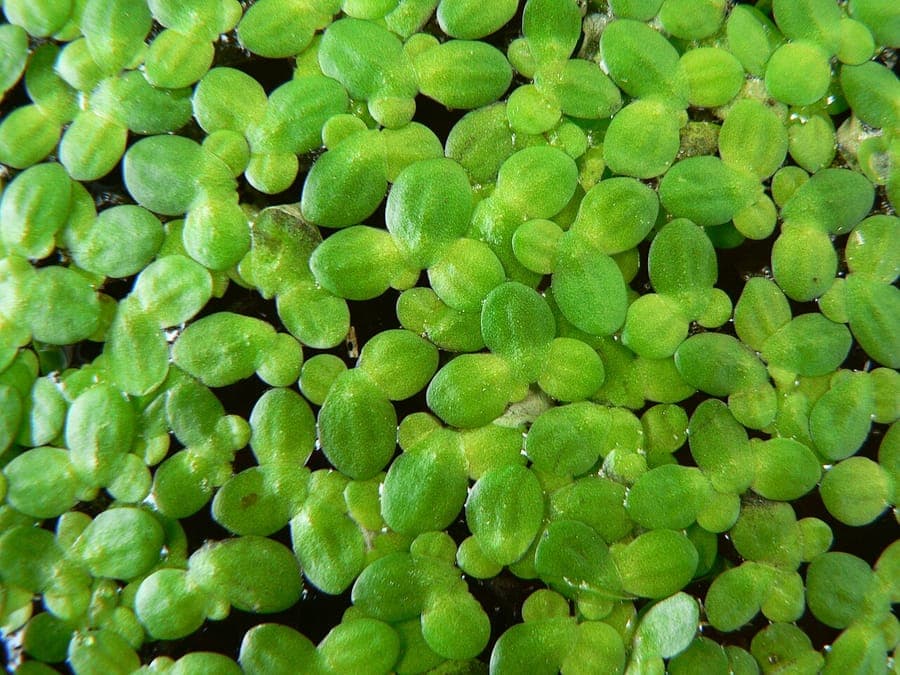
Duckweed consists of extremely small, flat, round to oval frondose bodies measuring approximately 2-4 mm wide. The fronds are thin and flat, typically green, sometimes with yellow or brownish tints. Each frond has a single, very short root. The plant floats freely on the water surface and reproduces rapidly through vegetative frond division.
Under ideal conditions (warmth, nutrition, light), populations can expand explosively and completely cover the water surface. This rapid growth rate makes it both useful and potentially problematic in aquariums.
Ideal Location
Duckweed thrives in full sunlight to partial shade. A minimum of 4-6 hours direct daily sunlight is ideal. In aquariums, 8-12 hours artificial light is recommended. The plant grows in shade as well, but much more slowly. Excessive shade results in yellowing plants.
Water and Nutrient Requirements
Duckweed is highly tolerant and grows in both soft and hard water. The pH range is broad (5.5-8.5). Optimal temperature ranges from 15-25°C, though the plant tolerates 5-30°C. Some nutrition is beneficial for optimal growth. In ponds, this comes mostly from fish waste and organic decomposition. In aquariums, nutrient solutions or liquid fertilizers are advantageous.
Water Quality and Maintenance
Regular water changes (20-30% weekly in aquariums) are important. Stagnant water and excessive organic loading must be avoided. The plant can be used to improve water quality by absorbing nutrients and producing oxygen.
Diseño gratis
¿Quieres ver Common Duckweed: Complete Guide to Growing Lemna minor en tu jardín? Crea un diseño gratis ahora.
Pruning and Management
Regular removal of excess fronds is critical to prevent overcrowding. In aquariums, remove fronds when they cover more than 40-50% of the surface. Use clean, sharp tools. In ponds, manual removal or small nets can be employed.
Maintenance Calendar
Year-round: Prepare water and nutrient systems.
Spring (March-May): Growth begins after winter. Regular pruning as needed. Adjust artificial lighting for aquariums.
Summer (June-August): Peak growth. Intensive pruning required. Weekly water quality checks. Nutrient supplementation recommended.
Fall (September-November): Growth slows. Less pruning needed. Water quality remains important.
Winter (December-February): Minimal growth in cold. Artificial lighting essential for aquariums. Minimal pruning needed.
Winter Hardiness
Duckweed is not frost-hardy in areas experiencing freezing. The plant can briefly tolerate temperatures of approximately 0-5°C, but not freezing conditions. In cold climates, plants must overwinter indoors in aquariums or heated pools. In frost-free zones, growth continues year-round.
Benefits and Applications
Duckweed offers numerous benefits:
- Water Purification: Removes excess nutrients and produces oxygen
- Coverage: Provides shade and protection for fish and aquatic creatures
- Food: Suitable feed for fish, birds, and some aquatic animals
- Biological Filtration: Counters algae growth by absorbing nutrients
- Research: Used in scientific investigations
The plant can also be used in green roof configurations and floating garden systems.
Closing Remarks
Lemna minor is an essential plant for both aquariums and ponds. It offers simple cultivation, rapid growth, and numerous benefits. Whether you maintain a small aquarium or large pond, this plant adds significant value. For complete garden design and more inspiration, visit gardenworld.app - the platform for customized garden solutions. Learn how to create a stunning garden with professional design at gardenworld.app.
¿Quieres ver Common Duckweed: Complete Guide to Growing Lemna minor en tu jardín? Crea un diseño gratis ahora.
Sube una foto, elige un estilo y obtén un diseño fotorrealista con lista de plantas en menos de un minuto.
Más de 10.000 jardines diseñados
Sin tarjeta de crédito


Plantas similares
Arrowhead vine: complete guide
Syngonium auritum
Everything about Syngonium auritum, the tropical five-fingers houseplant. Care, location, watering, and pruning explained clearly for beginners and enthusiasts.
Minute duckweed: complete guide to Lemna perpusilla
Lemna perpusilla
Everything about Lemna perpusilla, the minute duckweed: ecology, pond management, water quality and care in garden water features.
Dead horse arum lily: complete guide
Helicodiceros muscivorus
Everything about the dead horse arum lily (Helicodiceros muscivorus): growing conditions, spectacular bloom, thermogenesis, and care for this Mediterranean aroid.