
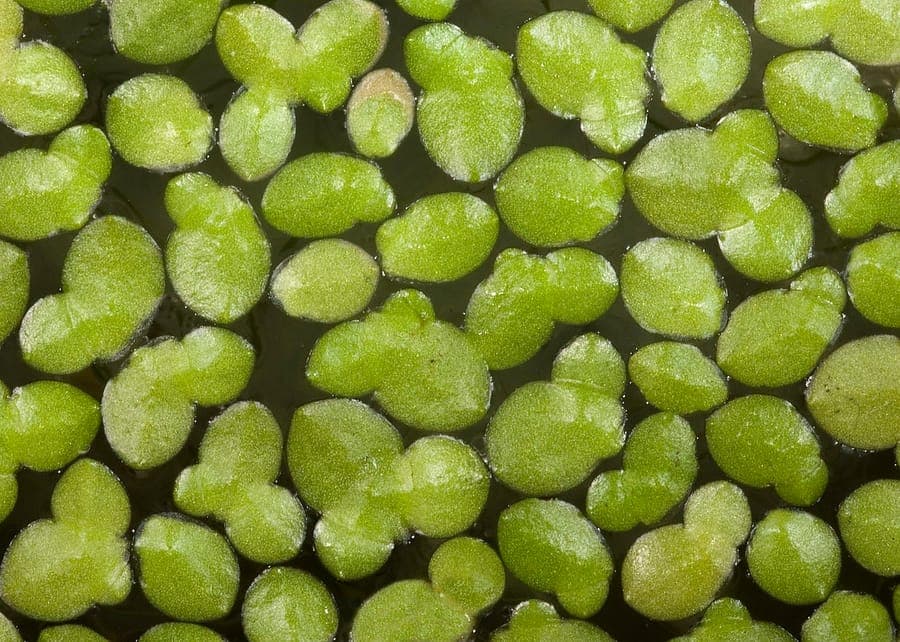
Kevin Thiele from Perth, Australia / CC BY 2.0, via Wikimedia Commons
Duckweed (Lemna aequinoctialis): complete growing guide
Lemna aequinoctialis
¿Quieres ver Duckweed (Lemna aequinoctialis): complete growing guide en tu jardín?
1 minuto, sin tarjeta de crédito
Overview
Duckweed (Lemna aequinoctialis) are tiny floating plants from the arum family (Araceae), distributed across tropical and subtropical waters worldwide. These fascinating miniature plants have no true roots - only thin rootlets hanging down into the water.
Duckweed is increasingly popular in three communities: (1) aquarium enthusiasts seeking natural aquatic plants; (2) aquaculture operators for fish feed; (3) water purification specialists investigating bio-remediation.
The scientific interest is enormous: duckweed grows faster than most plants and can uptake nutrients from polluted water - a natural purification system.
Appearance and Bloom
Duckweed are extremely small: round fronds only 3-8 mm diameter. Each "plant" consists of a single leaf rosette with 1-3 leaves, plus thin rootlets. Color is bright green to yellowish-green.
In aquarium conditions, they quickly form dense mats as hundreds of individuals cluster together. The plant grows right at the water surface.
Bloom: Duckweed can produce flowers, but this is rare in culture. In nature, they produce tiny flowers and seed capsules.
Ideal Location
Duckweed requires full to part-shade sunlight: 4-8 hours daily is ideal. They can grow under artificial light (important advantage for aquariums).
The plant suits:
- Aquariums (widely used as natural filtration plant)
- Water features and decorative ponds (natural beauty, water purification)
- Hydroponic systems for experimentation
- Growth chambers/laboratory conditions
They grow rapidly and can multiply explosively - regular harvesting is necessary.
Water Conditions
Duckweed are highly adaptable and grow in diverse water types, but preferences exist:
Key water requirements:
- pH: 6.0-8.0 is ideal (highly tolerant).
- Water temperature: 15-30°C ideal. Above 35°C growth slows; below 10°C plants die.
- Nutrients: Thrive in moderately nutrient-rich water. Aquarium water is often sufficient. In pure water, growth is slower.
- Light: 4-8 hours daily minimum; more light = faster growth.
- Water movement: Still to gently moving water. Strong currents damage plants.
Tip: Duckweed purifies water by uptaking nutrients; algae growth is suppressed by shading.
Diseño gratis
¿Quieres ver Duckweed (Lemna aequinoctialis): complete growing guide en tu jardín? Crea un diseño gratis ahora.
Care and Maintenance
Duckweed require minimal maintenance:
- Feeding: No fertilizer needed if aquarium water contains nutrients. In pure water: use liquid plant fertilizer.
- Harvesting: Regular removal (1-2x weekly) to prevent overgrowth. Plants grow quickly.
- Cleaning: Remove dead plants. Gently scrape algae growth from fronds.
- Pests: Very rare. Occasionally snails or water fleas, but harmless.
Growth Calendar
Year-round: Duckweed grows continuously in warm conditions. Decline in winter in temperate climates.
Peak growth periods: Spring (April-May) with more light and warmer water.
Decline periods: October-March in temperate climates under artificial light.
"Winter Hardiness" & Seasonal Considerations
Duckweed die in frost. In temperate climates, maintain indoors (in aquarium or container in warm room).
Overwintering:
- In aquarium: Simple; just continue growing at aquarium temperature (18-24°C).
- In outdoor pond: Bring indoors in buckets of water for winter.
- Diapause: With deprivation (cold, low light), duckweed can enter dormancy.
Ecological Benefits & Applications
Duckweed offer multiple advantages:
Water purification: Remove nitrogen and phosphorus - reduces algal blooms.
Animal feed: Fish, shrimp, chickens readily eat duckweed. High protein content.
Ecosystem services: Create habitat for microscopic animals, water purification.
Research potential: Test for pollutants, nutrient uptake capacity.
Integration in Garden Ecosystem
In decorative ponds:
- Natural beauty (bright green mat)
- Water purification (fewer algae)
- Fish habitat (shelter for young fish)
In hydroponic systems:
- Experimentation opportunities
- Food production (fish farms)
Closing Remarks
Duckweed offer gardeners a scientifically interesting and practically beneficial plant. For aquarium enthusiasts, hydroponic experimenters, or water purification interested parties, duckweed is a natural choice.
Their rapid growth, minimal requirements, and multiple applications make it a unique addition to your water gardening setup. Regular harvesting prevents overgrowth; harvested material can be used as animal feed or composted.
Plan your water feature via gardenworld.app with duckweed as a natural filter. With minimal care, duckweed brings nature and purity together. Happy growing!
For more tips on aquatic plants and aquatic ecosystems: visit gardenworld.app and explore your growing potential.
¿Quieres ver Duckweed (Lemna aequinoctialis): complete growing guide en tu jardín? Crea un diseño gratis ahora.
Sube una foto, elige un estilo y obtén un diseño fotorrealista con lista de plantas en menos de un minuto.
Más de 10.000 jardines diseñados
Sin tarjeta de crédito


Plantas similares
Greater duckweed: complete guide
Spirodela polyrhiza
Discover Greater duckweed (Spirodela polyrhiza), an aquatic plant for ponds and aquariums. Learn about growth, water conditions, and ecosystem benefits.
Pacific azolla: complete guide
Azolla filiculoides
Discover how to grow and care for Azolla filiculoides, a floating fern that thrives in sunny garden ponds and improves water quality naturally.