
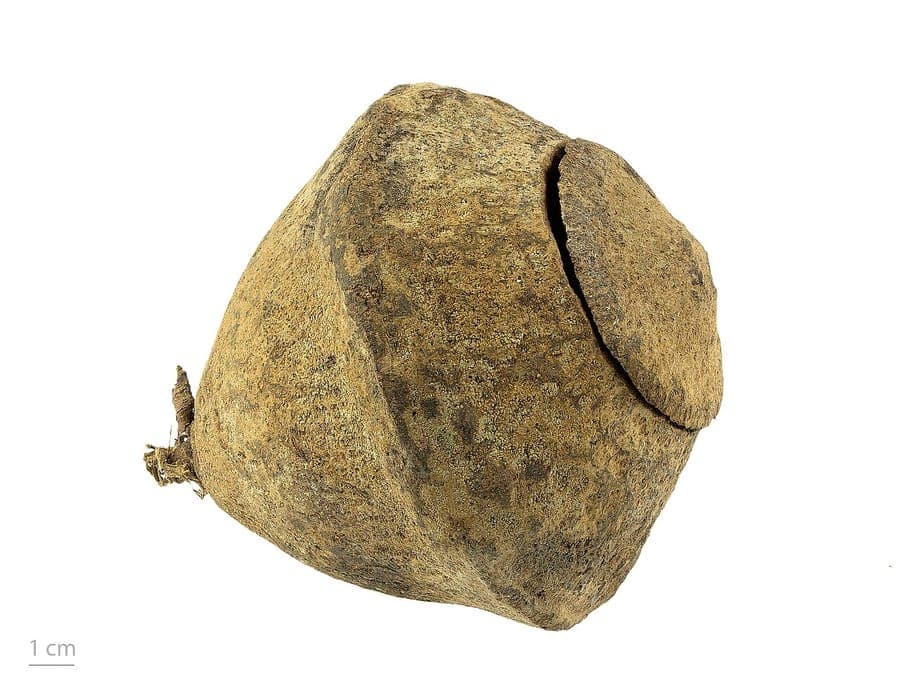
Roger Culos / CC BY-SA 3.0, via Wikimedia Commons
Lecythis zabucajo: complete guide
Lecythis zabucajo
¿Quieres ver Lecythis zabucajo: complete guide en tu jardín?
1 minuto, sin tarjeta de crédito
Overview
Lecythis zabucajo, known as the paradise nut, sapucaia nut, or monkey nut, is a majestic tropical tree native to the Amazon rainforests of South America. Belonging to the Lecythidaceae family, this tree naturally occurs in Bolivia, Brazil, Ecuador, Guyana, Suriname, and Venezuela. The tree is celebrated for its remarkable large seed pods and durable, valuable timber.
Appearance & bloom
Lecythis zabucajo is a large canopy tree reaching up to 50 meters in its native rainforest. In cultivation, trees typically attain 15-25 meters in height. The foliage is glossy green with large, compound leaves that provide attractive dappled shade. Flowers are small and inconspicuous, appearing in clusters before developing into the tree's most distinctive feature: large, spherical seed capsules with a unique lid-like opening. These woody fruits measure 12-15 centimeters in diameter and contain valuable nuts.
Ideal location
Lecythis zabucajo thrives exclusively in warm tropical climates with temperatures consistently between 20-30°C. The tree prefers full sun but tolerates light shade in very hot regions. Plant it in a protected location sheltered from strong winds. In non-tropical climates, this tree can be grown only in heated greenhouses or tropical conservatories.
Soil
This tree performs best in rich, well-draining soils abundant in organic matter. Acidic tropical soils with pH 5.5-6.5 are ideal. Excellent drainage is essential as the tree cannot tolerate waterlogging. Add substantial quantities of compost when planting and maintain soil fertility through regular feeding.
Watering
Lecythis zabucajo requires regular watering, particularly during dry seasons. In its natural habitat, the tree grows in high-rainfall regions. Maintain consistently moist (but not waterlogged) soil. During winter months when growth slows, reduce watering accordingly.
Diseño gratis
¿Quieres ver Lecythis zabucajo: complete guide en tu jardín? Crea un diseño gratis ahora.
Pruning
Pruning is minimal for Lecythis zabucajo. Remove only dead, damaged, or diseased branches. In cultivation, careful pruning can encourage a more compact form and improve overall shape. Conduct pruning work during the growing season.
Maintenance calendar
Spring: Inspect for pests and diseases, apply fertilizer. Summer: Maintain regular watering, remove dead foliage. Autumn: Reduce water, monitor fruit development. Winter: Minimal activity, check for pests in warm conservatories.
Winter hardiness
Lecythis zabucajo is not winter hardy and cannot be grown in temperate zones without protection. The tree is damaged by temperatures below 10°C and cannot tolerate frost. This is strictly a plant for warm greenhouses, tropical conservatories, or tropical gardens.
Companion plants
In tropical gardens, pair Lecythis zabucajo with other fruit-bearing trees such as Bertholletia excelsa (Brazil nut), Theobroma cacao (cacao), and other tropical timber species. This large canopy tree provides valuable dappled shade for shade-tolerant understory plants.
Closing thoughts
Lecythis zabucajo represents a fascinating project for gardeners with access to warm growing conditions. This impressive tree offers ornamental appeal alongside interesting reproductive structures. Growing it requires patience and knowledge of tropical cultivation, but the results justify the effort. Source plant material from specialized tropical nurseries.
Explore gardenworld.app for inspiration on integrating exotic plants into your landscape design. Visit gardenworld.app for comprehensive information on tropical garden architecture and plant selection.
¿Quieres ver Lecythis zabucajo: complete guide en tu jardín? Crea un diseño gratis ahora.
Sube una foto, elige un estilo y obtén un diseño fotorrealista con lista de plantas en menos de un minuto.
Más de 10.000 jardines diseñados
Sin tarjeta de crédito


Plantas similares
Freshwater mangrove: complete guide
Barringtonia acutangula
Barringtonia acutangula, the freshwater mangrove, is a tropical tree with stunning flowers and decorative fruits. Discover everything about cultivation and care.
Barringtonia asiatica: complete guide
Barringtonia asiatica
Discover the Mango-pine tree, a spectacular tropical tree with stunning flowers. Learn care requirements, growth patterns, and garden design integration.
Brackwater Mangrove: complete guide
Barringtonia racemosa
Discover the brackwater mangrove with spectacular hanging flower spikes. Complete care guide for this tropical tree suited to waterside gardens.