
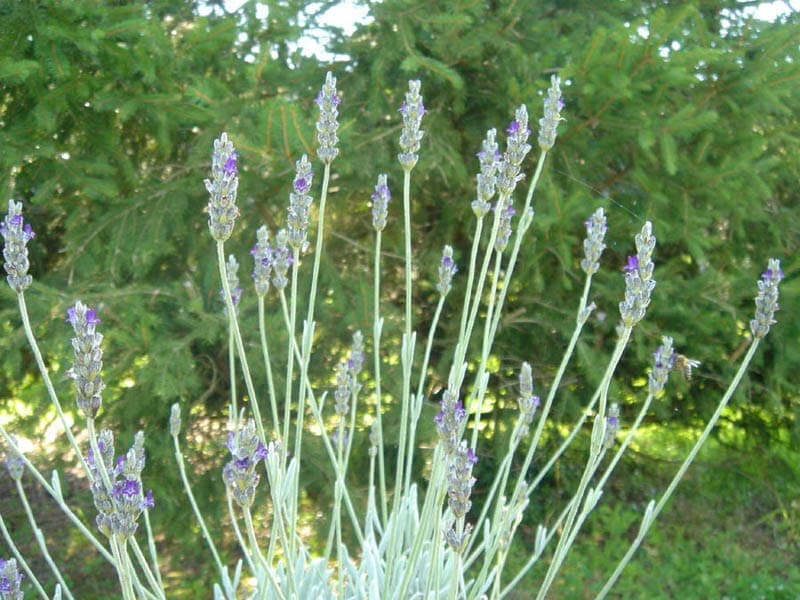
Ghislain118 http://www.fleurs-des-montagnes.net / CC BY-SA 3.0, via Wikimedia Commons
Lavandula lanata: complete guide
Lavandula lanata
¿Quieres ver Lavandula lanata: complete guide en tu jardín?
1 minuto, sin tarjeta de crédito
Overview
Lavandula lanata, also known as Woolly Lavender, is a rare and unique lavender originating from the mountains of southern Spain. Unlike more commonly cultivated lavender species, this plant is particularly notable for its soft, silvery-white, woolly foliage that provides texture and visual interest year-round. This makes it a true jewel for Mediterranean gardens and collectors.
Appearance and bloom
Lavandula lanata grows as a compact, densely packed shrub typically reaching 30-50 cm in height. The most distinctive feature of this plant is its long, highly woolly (lanata) needles with a silvery-white color. These needles give the plant a velvety, soft texture.
Flowers appear in August through September in densely packed violet-purple clusters at the stem tips. They are slightly larger than those of other lavender species and highly fragrant. After flowering, brown seed heads appear.
The plant retains its silvery-white foliage year-round, making it an interesting structural plant even outside the flowering season.
Ideal location
Give Lavandula lanata a warm, sunny spot where it receives at least 6-8 hours of direct sunlight. It grows best in warm, sea air or on the south side of a building. The plant is marginally hardy and may suffer damage in very severe winters. In colder climates, it grows better in a pot that can be brought indoors in winter.
Soil
Very well-draining soil is essential for Lavandula lanata. Plant it in sandy, gravelly soil or add compost and sand to heavy soils. A pH between 6.5 and 8.0 is ideal. The plant grows better in poor soil than in very fertile soil. Ensure excellent drainage to prevent root rot.
Diseño gratis
¿Quieres ver Lavandula lanata: complete guide en tu jardín? Crea un diseño gratis ahora.
Watering
Once established, Lavandula lanata is extremely drought-tolerant and requires minimal water. Water only when the soil feels very dry. Excessive water is a much greater problem than insufficient water. In humid climates, regular overwatering can lead to fungal diseases and root rot.
Pruning
Pruning helps keep the plant compact and bushy. After flowering, cut back faded flowers. You can lightly prune the plant in early spring to shape it. Avoid heavy pruning into old wood, as this can result in poor regeneration.
Maintenance calendar
Spring: Prune spent flowers from previous year. Summer: Watch for flowers in August. Water very sparingly. Autumn: Flowering period, enjoy the purple blooms. Winter: Minimal activity, protect from frost in cold climates.
Winter hardiness
Lavandula lanata is marginally hardy, winter-hardy to about -8°C. In USDA zones 8b-9, it can grow outdoors. In colder zones, it grows better in pots that can be relocated. Protect from snow and ice.
Companion planting
Lavandula lanata pairs well with other Mediterranean plants such as cistus, rosemary, and santolina. It can also be used nicely in stone troughs or as an accent on rock walls. Try combining it with other silver-foliaged plants for interesting textural contrast.
Conclusion
Although rare, Lavandula lanata is a beautiful choice for gardeners seeking something unusual and Mediterranean. With its unique woolly foliage and beautiful flowers, it is a true jewel in any garden. For more information on southern plants, visit gardenworld.app/en.
¿Quieres ver Lavandula lanata: complete guide en tu jardín? Crea un diseño gratis ahora.
Sube una foto, elige un estilo y obtén un diseño fotorrealista con lista de plantas en menos de un minuto.
Más de 10.000 jardines diseñados
Sin tarjeta de crédito


Plantas similares
Apple mint (Mentha x villosa): complete guide
Mentha x villosa
Meet apple mint (Mentha x villosa): a fruity-scented kitchen herb with woolly leaves, perfect for tea and mojitos.
Salvia peyronii: complete guide
Salvia peyronii
Discover Salvia peyronii, a rare Lebanese mountain sage. Growing tips, hardiness, and companion planting for a Mediterranean gravel garden.
Bigleaf mint (Mentha x rotundifolia): complete guide
Mentha x rotundifolia
Discover bigleaf mint: cultivation, care tips, and garden uses. Learn how to grow this aromatic herb with soft, hairy leaves.