
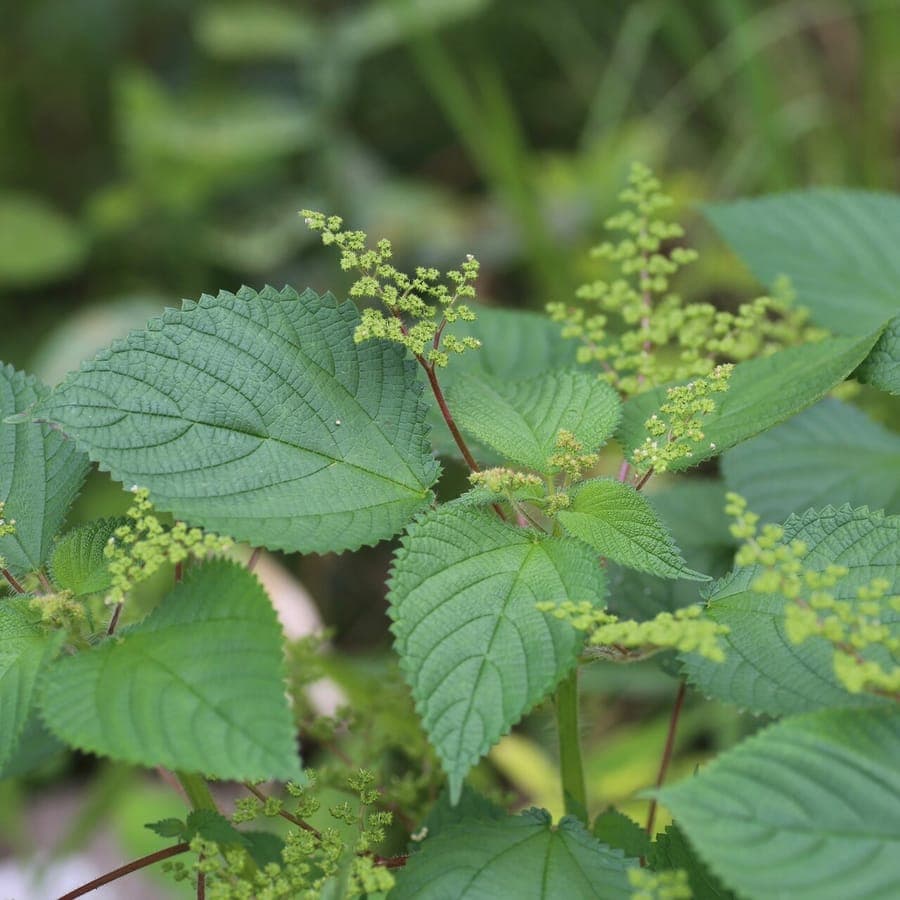
Alexey Yakovlev / CC BY-SA 4.0, via Wikimedia Commons
Laportea aestuans: complete guide
Laportea aestuans
¿Quieres ver Laportea aestuans: complete guide en tu jardín?
1 minuto, sin tarjeta de crédito
Overview
Laportea aestuans, also known as West Indian nettle or simply Laportea, is a fascinating tropical plant from the Urticaceae family (the same family as nettles). This plant originates from tropical and subtropical regions and is renowned for its interesting, pleasant foliage and delicate growth habit. The plant is ideal for those wishing to create genuine tropical atmosphere in their interior.
The plant is not toxic, despite its family relationship with nettles. It lacks the stinging hairs of its relatives. It is more of an ornamental plant primarily valued for its attractive green foliage and compact growth form. In warm climates it can grow outdoors, but in temperate regions it is usually a houseplant.
Appearance and Growth
Laportea aestuans grows as a low to mid-height shrub with delicate green foliage. The leaves are typically 5 to 10 centimeters long, lanceolate to ovate and feature interesting surface texture. The foliage can develop reddish or brownish tints under certain conditions.
The plant grows fairly low and compact, usually not exceeding 30 to 50 centimeters. In warm conditions it grows somewhat faster. Growth is relatively upright with delicate branches. The plant forms a neat, orderly shape without much pruning required.
The flowers and fruits are small and inconspicuous, somewhat bird-like in character. The true value of the plant lies in its attractive foliage.
Ideal Location
Laportea aestuans grows best in a location with plenty of indirect light. Direct sunlight can cause leaf scorch, so placement away from direct sun is ideal. A windowsill with filtered light is perfect.
The plant can also grow in partial shade, though it becomes less compact. Avoid dark corners; the plant will struggle and become sparse. Constant temperatures between 18 and 25 degrees Celsius are ideal.
Indoors, this is usually a good houseplant if you have the right light location. Outdoors it can grow in partial shade in warm regions.
Soil
Laportea aestuans grows best on slightly acidic, well-draining soil with plenty of organic material. A potting mix with peat substitute, perlite, and compost works well. The plant dislikes waterlogged soil but prefers regularly moist medium.
For container culture, use quality blooming mix. Add extra perlite if you find your potting soil doesn't drain well enough. pH should be between 5.5 and 6.5.
Regular repotting helps, at least once every two years during the growing season. This helps prevent depletion and promotes healthy growth.
Diseño gratis
¿Quieres ver Laportea aestuans: complete guide en tu jardín? Crea un diseño gratis ahora.
Watering
Laportea aestuans requires regular watering, especially during the growing season. The top layer of potting soil should never completely dry out, but also not be waterlogged. Check regularly and water when soil feels dry.
Preferably use lukewarm water, and avoid hard water if possible. Rainwater is ideal. In winter, you can water somewhat less, but don't stop entirely. A spray bottle also helps to occasionally mist the foliage.
High humidity is pleasant for the plant. Place the pot on a saucer with water or group it with other plants.
Pruning and Maintenance
Laportea aestuans requires minimal pruning. The plant grows naturally compact and orderly. Dead or damaged leaves can be gently removed. Long shoots can be gently shortened to encourage more branching.
In spring you can do some gentle pruning if the plant becomes too tall. Remove damaged stem tips. The plant also tolerates moderate pruning if needed.
Occasional feeding during the growing season helps. Feeding once every two weeks with flower fertilizer is sufficient.
Maintenance Calendar
May through September is the growing season with regular watering and feeding. October through April is dormancy with less water and no feeding. Regular checking for insects is important, especially spider mites in dry conditions.
Repotting is best done in early spring. Prevent leaf scorch by avoiding direct summer sun. In winter somewhat cooler temperatures (15 to 18 degrees Celsius) help the plant rest.
Winter Hardiness
Laportea aestuans is not winter hardy in temperate climates. The plant dies in frost conditions. In the UK and comparable climates, you must keep the plant indoors. Temperatures below 10 degrees Celsius can be problematic.
In tropical and subtropical regions the plant can overwinter outdoors, especially in somewhat protected locations. In temperate regions it remains primarily a houseplant kept indoors year-round.
Ensure constant warmth and no drafts in winter.
Companion Plants
Laportea aestuans pairs well with other tropical houseplants such as various Ficus species, Anthurium, Monstera, and other green-foliaged plants. Yellow or red-foliaged plants provide nice contrast with the green foliage.
Grouping in larger collections creates genuine rainforest atmosphere. Humidity-loving plants like Calathea are good companions. Ensure plants have some space to grow.
Conclusion
Laportea aestuans provides a fantastic addition to houseplant collections. With its interesting foliage and palpable tropical character, it creates genuine rainforest atmosphere. Though not suitable outdoors in temperate climates, it grows excellently as a houseplant. For more advice on tropical houseplants and interior design tips, visit gardenworld.app where you can create garden designs.
On gardenworld.app you can not only create garden designs but also receive houseplant tips. With plants like Laportea aestuans, you bring tropical beauty into your home, regardless of climate outside.
¿Quieres ver Laportea aestuans: complete guide en tu jardín? Crea un diseño gratis ahora.
Sube una foto, elige un estilo y obtén un diseño fotorrealista con lista de plantas en menos de un minuto.
Más de 10.000 jardines diseñados
Sin tarjeta de crédito


Plantas similares
False nettle (Boehmeria cylindrica): complete guide
Boehmeria cylindrica
Full guide to Boehmeria cylindrica, false nettle: origin, appearance, ideal location, soil, watering and care for this wetland perennial.
Pumpwood: complete guide
Cecropia schreberiana
Complete guide to Cecropia schreberiana: origins, appearance, care requirements and growing tips for this tropical pioneer tree.
Laportea canadensis: complete guide
Laportea canadensis
Discover Laportea canadensis (Wood-nettle), a fascinating woodland plant. Thrives in moist shaded areas. Complete growing and care guide for this unique species.