
Marko Vainu / CC BY-SA 3.0, via Wikimedia Commons
Blue lettuce: complete guide
Lactuca tatarica
¿Quieres ver Blue lettuce: complete guide en tu jardín?
1 minuto, sin tarjeta de crédito
Overview
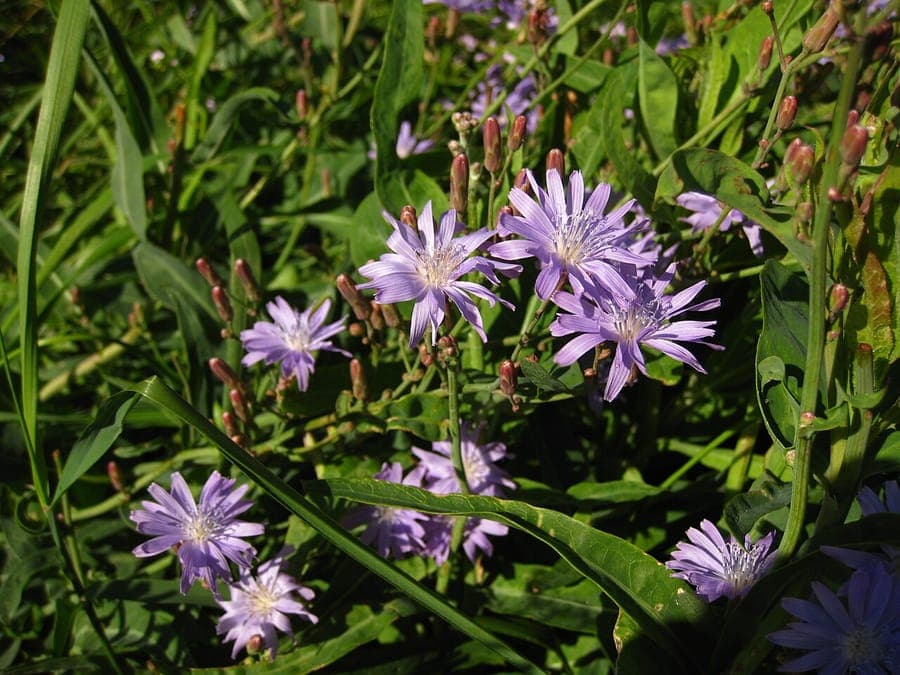
Blue lettuce (Lactuca tatarica), also known as Russian blue lettuce, is a remarkable wild plant from the Asteraceae family (daisy family). Originating from Eastern Europe and Asian regions, this plant has also established itself in northwestern European countries. With its characteristic blue flowers and robust growth habit, blue lettuce offers an interesting option for gardeners seeking low-maintenance perennials.
Appearance and Bloom
Blue lettuce grows as a herbaceous plant with an upright growth pattern. The plant typically reaches a height of approximately 60 to 100 centimeters. The leaves are elongated and deeply incised, giving the plant a characteristic, delicate appearance. The flowers emerge during summer and display a striking blue-violet or yellow hue, depending on conditions. This flowering habit attracts many insects and contributes to biodiversity in your garden.
Ideal Location
Blue lettuce thrives best in locations with full sun exposure, although the plant can also grow in partial shade. The plant is extremely drought-tolerant and performs well in dry, sandy or stony soils. This makes blue lettuce an ideal choice for water-conscious gardeners and drought-resistant planting schemes. Plant this species on south or west-facing sides of your garden where it receives maximum sunlight and warmth.
Soil
Blue lettuce is not fussy about soil composition but prefers well-draining soils. Sandy or stony soils are actually beneficial, as they prevent water accumulation. Heavy clay soils should be improved with sand or gravel to prevent waterlogging. The soil pH can range from neutral to alkaline. If you have a nutrient-rich soil, there's no need to modify it specially.
Watering
Once established, blue lettuce is an extremely drought-tolerant plant requiring very little water. During the first growing season after planting, water regularly until the plant develops deeper roots. After that, you can drastically reduce waterings. In periods with normal rainfall, this plant needs virtually no supplemental watering. During dry periods, you can water occasionally, especially during very hot months.
Diseño gratis
¿Quieres ver Blue lettuce: complete guide en tu jardín? Crea un diseño gratis ahora.
Pruning
Blue lettuce requires minimal pruning work. Dead or damaged leaves can be removed in early spring. Remove faded flowers to prevent untidy seed formation and possibly encourage re-blooming. After flowering, you can cut the plant back by half to maintain a more compact appearance. However, this is not always necessary and depends on your aesthetic preference.
Maintenance Calendar
Spring: Remove dead plant material from the previous season and lightly tidy the plant. Summer: Monitor flowering and remove faded flowers. Fall: Leave seed heads for self-seeding or remove them if you want to prevent scattered seeds. Winter: The plant dies back after frost periods but regrows from the roots.
Winter Hardiness
Blue lettuce is extremely hardy and can tolerate temperatures down to -20 to -30 degrees Celsius. The plant is native to areas of the European continent where winters can be severe. This makes it an excellent choice for temperate climate gardens and even cooler regions. Protection is not needed except in extremely cold regions.
Companion Plants
Blue lettuce combines well with other drought-tolerant plants such as lavender, rock gardener and various sedum species. Wild grasses like red fescue add texture. This plant also works well with other Asteraceae species. Avoid plant companions that need lots of water, since blue lettuce has entirely different moisture requirements. Group planting of three to five specimens creates greater visual impact.
Closing
Blue lettuce is a remarkable plant for those seeking a robust, low-maintenance perennial with attractive blue flowers. Thanks to its extreme drought tolerance and winter hardiness, it's a perfect addition to sustainable garden development. For more plant discussions and designs, visit gardenworld.app/nl and gardenworld.app/en.
¿Quieres ver Blue lettuce: complete guide en tu jardín? Crea un diseño gratis ahora.
Sube una foto, elige un estilo y obtén un diseño fotorrealista con lista de plantas en menos de un minuto.
Más de 10.000 jardines diseñados
Sin tarjeta de crédito


Plantas similares
Calendula stellata: complete guide
Calendula stellata
Complete guide to Calendula stellata, the star-flowered marigold from Sicily: location, soil, watering and companion planting tips.
Korean chrysanthemum: complete guide
Chrysanthemum x rubellum
Chrysanthemum x rubellum is a hardy autumn perennial with single pink to copper flowers from August to November. Care and combinations.
Helianthus divaricatus: complete guide
Helianthus divaricatus
Helianthus divaricatus is a North American woodland sunflower with yellow summer blooms, ideal for naturalistic borders and shady edges.