
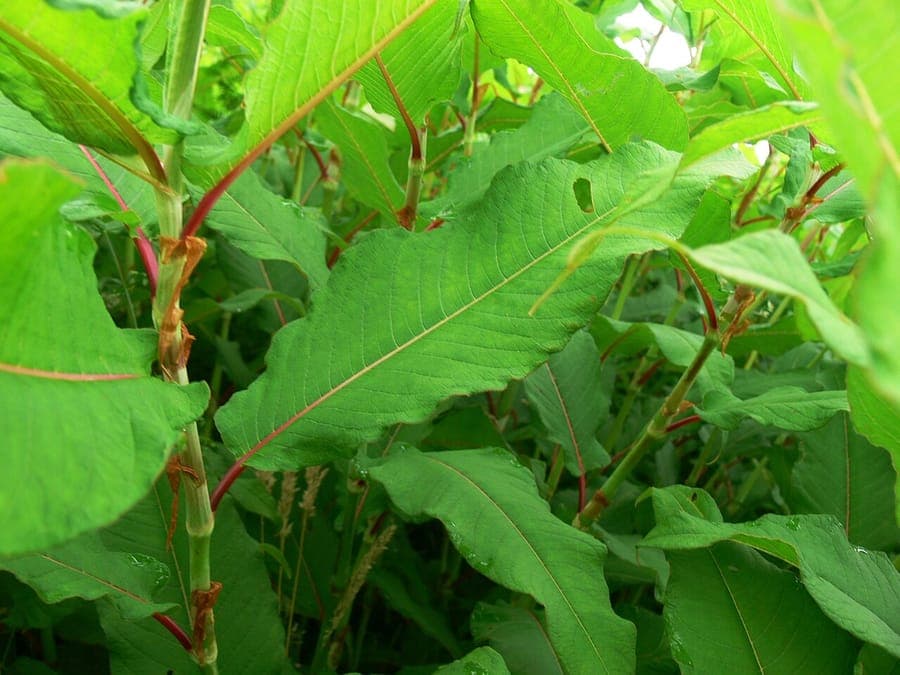
Lamiot / CC BY-SA 3.0, via Wikimedia Commons
Cultivated Knotweed: complete guide
Koenigia polystachya
¿Quieres ver Cultivated Knotweed: complete guide en tu jardín?
1 minuto, sin tarjeta de crédito
Overview
Cultivated Knotweed, scientifically Koenigia polystachya, is a compact alpine plant from the Polygonaceae family (knotweed family). This plant grows naturally in mountain regions from Afghanistan to South China at elevations of 2,500-4,500 meters. In these challenging alpine habitats, this plant has adapted to extreme conditions, making it highly suited to rock gardens and alpine borders in temperate climates.
With its compact growth, red flowers, and exceptional winter hardiness, Koenigia polystachya is a perfect choice for alpine plant enthusiasts. This small gem deserves greater attention in European gardens. Using gardenworld.app, design an authentic alpine garden scheme where this plant shines.
Appearance & Bloom Cycle
Cultivated Knotweed forms dense, low mounds of just 10-20 cm height. The stems are red-tinted, especially at the base. The leaves are small, linear to elliptical, dark green, densely packed along the stems. The plant maintains a compact, neat appearance year-round.
The flowers are the highlight: small red flower spikes (3-5 cm long) appear July-September. These flowers attract pollinating insects, especially in mountain regions. After flowering, small dark-brown seeds form, providing bird food. The complete habit remains compact and attractive from spring through autumn.
Ideal Location
Cultivated Knotweed is a devoted sun-lover thriving on very sunny locations, minimum 8 hours direct sunlight daily. It struggles in shady spots. Extremely wind-resistant and comfortable in exposed mountain-like terrain. Protected locations with full sun are ideal.
Soil & Nutrition
This alpine plant thrives on dry, well-draining, lean mountain substrates. It tolerates even gravelly and rocky soils excellently. Heavy, waterlogged clay is very problematic – root rot occurs quickly. Ideal is sandy to gravelly soil with pH 6.5-7.5. No fertilizer needed; lean soil is actually preferable.
Diseño gratis
¿Quieres ver Cultivated Knotweed: complete guide en tu jardín? Crea un diseño gratis ahora.
Watering
Once established, Cultivated Knotweed tolerates prolonged drought excellently. During spring growth (April-May), water regularly but allow soil to dry between waterings. Once mature, it needs no supplementary watering beyond natural rainfall. Waterlogging is very damaging.
Pruning & Maintenance
No pruning needed. This plant thrives in alpine settings where pruning is impossible. Leave spent flowers standing for seed-setting and bird food. In spring, dead stems may be removed. The plant maintains its compact form naturally.
Maintenance Calendar
March-April: New growth begins, cautious watering until established. May-June: Full growth phase, plants fill out nicely. July-September: Red flower spikes appear, seed maturation. October-November: Flowering finished, seeds mature, plant continues hardening. December-February: Winter dormancy, dry material remains interesting.
Winter Hardiness
Cultivated Knotweed is extraordinarily hardy, tolerating -35°C without protection. Growing naturally on Himalayan heights to Nepal, winter hardiness is guaranteed in all European gardens (USDA zones 3-7). No winter protection needed; the plant tolerates regular ice and snow.
Complementary Plant Partners
Cultivated Knotweed pairs beautifully with alpine companions:
- Pasque Flower (Pulsatilla vulgaris)
- Red Saxifrage (Saxifraga oppositifolia)
- Moss Campion (Silene acaulis)
- Alpine Pink (Dianthus alpinus)
- Auricula Primrose (Primula auricula)
- Alpine Thrift (Armeria maritima ssp. alpina)
- Sheep's Fescue (Festuca ovina)
These plant combinations create authentic Himalayan alpine borders with extended seasonal interest.
Closing Thoughts
Cultivated Knotweed is a rare alpine gem deserving greater attention in European gardens. With its compact growth, red flowers, and exceptional winter hardiness, it's an ideal plant for rock gardens and alpine borders. For alpine plant enthusiasts, this is a must-have. Design a complete Himalayan alpine garden scheme on gardenworld.app centered around Koenigia polystachya.
¿Quieres ver Cultivated Knotweed: complete guide en tu jardín? Crea un diseño gratis ahora.
Sube una foto, elige un estilo y obtén un diseño fotorrealista con lista de plantas en menos de un minuto.
Más de 10.000 jardines diseñados
Sin tarjeta de crédito


Plantas similares
Crosby's wild buckwheat: complete guide
Eriogonum crosbyae
Full guide to growing Eriogonum crosbyae: ideal site, soil, watering, winter hardiness and companion plants for this rare western wild buckwheat.
Spreading buckwheat: complete guide
Eriogonum effusum
Full guide to growing Eriogonum effusum: ideal site, soil, watering, winter hardiness and companion plants for this prairie subshrub from the American West.
Tall woolly buckwheat: complete guide
Eriogonum elatum
Full guide to Eriogonum elatum: siting, soil, watering, pruning and companion plants for this elegant white-flowered buckwheat from the western United States.