
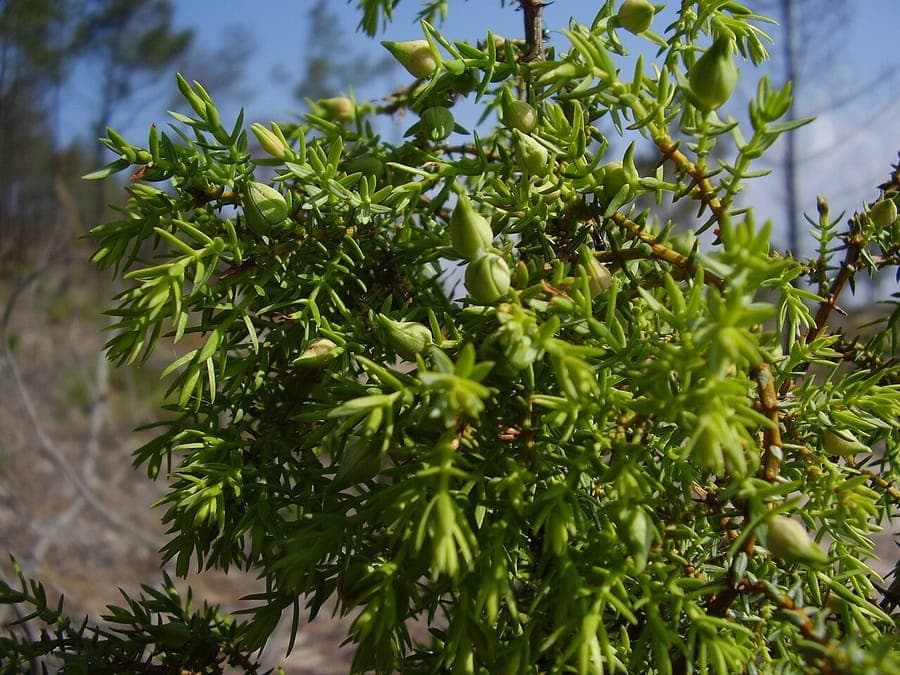
Clover9 / CC BY 3.0, via Wikimedia Commons
Juniperus navicularis: complete guide
Juniperus navicularis
¿Quieres ver Juniperus navicularis: complete guide en tu jardín?
1 minuto, sin tarjeta de crédito
Overview
Juniperus navicularis, commonly called Sea-sands juniper, is a rare and fascinating coniferous shrub originating from the coastal regions of western Portugal through southern Spain. This plant thrives exceptionally well in poor, sandy soils and has adapted to extreme climatic conditions. For gardeners seeking a drought-tolerant, low-maintenance garden with Mediterranean flair, this juniper is an invaluable choice.
Appearance and Bloom
The Sea-sands juniper is a compact conifer with fine, scale-like foliage displaying a blue-green color. This plant grows low and spreading, making it ideal as a groundcover in expansive gardens. The foliage feels soft to touch and creates pleasant textural contrast with other plant materials. During spring, small inconspicuous flowers appear that later develop into characteristic juniper berries.
Ideal Location
Select a sunny position for your Juniperus navicularis. This plant requires at least six hours of direct sunlight daily to thrive optimally. It prefers some shelter from strong winds, especially in northern climates. This juniper feels most at home in coastal areas with sandy, well-draining soil and mild winters. In more protected gardens, the plant can grow outside typical Mediterranean zones.
Soil
Juniperus navicularis is undemanding regarding soil composition. The plant even thrives in extremely poor, sandy soils where many other plants would fail. Ensure very good drainage. If your garden soil is heavy with clay, improve it substantially with sand and gravel. This juniper loves alkaline material and tolerates slight salty soils. A pH between 6.5 and 8.0 is ideal for healthy growth.
Watering
Once established, Juniperus navicularis requires very little water. During the first growing year, water regularly to promote strong root development. Thereafter, the plant tolerates extended droughts without problems. Water only during extreme dryness. In rainy climates, supplemental water is usually unnecessary. Watch for waterlogging, especially in winter.
Diseño gratis
¿Quieres ver Juniperus navicularis: complete guide en tu jardín? Crea un diseño gratis ahora.
Pruning
Pruning is usually unnecessary for this conifer. Remove only dead or damaged branches to maintain appearance. Light formative pruning in late spring works well if you prefer a more compact plant. Avoid heavy pruning, as this plant needs considerable time to recover. Use sharp shears and disinfect them between cuts to prevent disease.
Maintenance Calendar
Spring: New growth begins; check for diseases and pests. Summer: Water regularly during very dry weeks; watch for spider mites. Autumn: Do not fertilize; prepare the plant for winter dormancy. Winter: Protect against severe frost periods if you do not live in Mediterranean zones. This is a plant for patience - slow, steady growth is normal.
Winter Hardiness
Juniperus navicularis is reasonably winter-hardy but may struggle in harsh winters outside its natural range. In temperate climates, protection against hard frost is advisable. A protective layer of pine needles around the base helps in cold regions. Young plants are more frost-sensitive than mature specimens. Avoid planting in locations where water can stagnate in winter.
Companion Plants
This juniper combines excellently with other drought-lovers. Purple sage, rock soapwort, and lavender varieties are perfect neighbors. This plant combination creates a resilient, drought-stable planting that thrives all summer without extra water. Sand sedum and other succulent plants complement the Mediterranean effect beautifully. For visual depth, add grasses like blue fescue.
Closing Thoughts
Juniperus navicularis is a precious addition for anyone seeking a Mediterranean and sandy garden with minimal fuss. This plant grows slowly but stands patiently in place for decades. Once established, it provides years of Mediterranean greenery without hassle. For gardeners with dry, well-draining soil, this is the juniper you are seeking.
Available at specialized nurseries: Intratuin offers a good selection of conifers and garden plants, as does Gamma which stocks juniper varieties.
¿Quieres ver Juniperus navicularis: complete guide en tu jardín? Crea un diseño gratis ahora.
Sube una foto, elige un estilo y obtén un diseño fotorrealista con lista de plantas en menos de un minuto.
Más de 10.000 jardines diseñados
Sin tarjeta de crédito


Plantas similares
Cupressus macnabiana: complete guide
Cupressus macnabiana
The Fragrant Cypress offers elegant growth with fine, aromatic foliage. Perfect for temperate climates and as specimen trees in contemporary gardens.
Cupressus guadalupensis: complete guide
Cupressus guadalupensis
The Guadalupe cypress: an elegant conifer for gardens. Complete cultivation guide for this Mexican cypress. Information about care, location, form and maintenance.
Austrocedrus chilensis: complete guide
Austrocedrus chilensis
Discover Austrocedrus chilensis, the Chilean Cedar ornamental conifer. Elegant specimen with fine foliage and columnar form for permanent structure.