
Matti Virtala / CC0, via Wikimedia Commons
Baltic rush: complete guide
Juncus balticus
¿Quieres ver Baltic rush: complete guide en tu jardín?
1 minuto, sin tarjeta de crédito
Overview
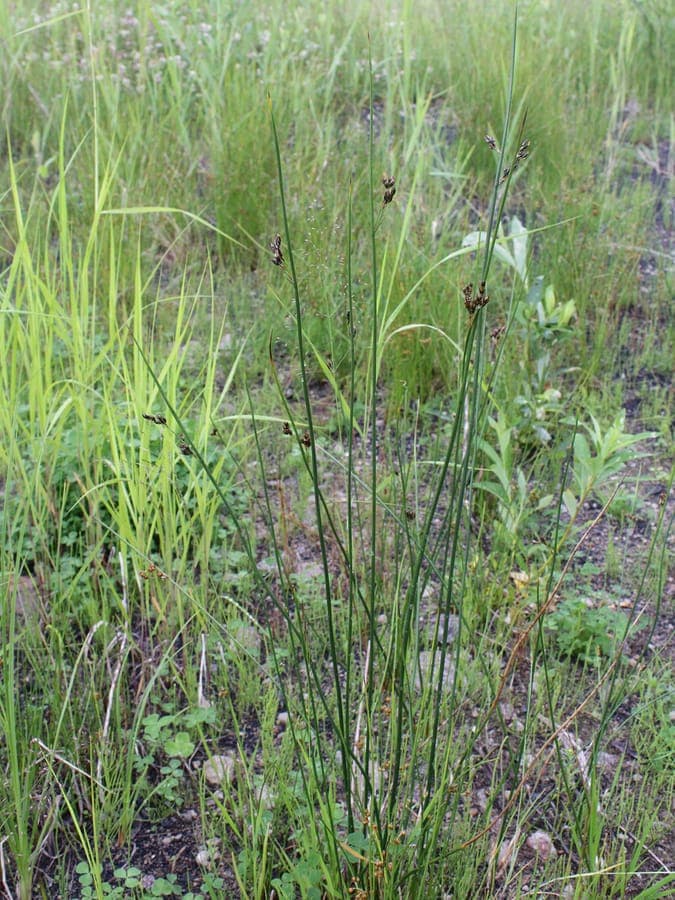
Baltic rush (Juncus balticus), also known as wire rush or sand rush, is a versatile ornamental grass-like plant from the Juncaceae family. This hardy, native plant grows across much of Europe, North and South America and is known for its fine, upright leaves and subtle but elegant flower clusters. Standing 30-60 centimeters tall with a slender growth habit, this plant makes excellent bank stabilization, ecological planting, and decorative border accents for gardens.
Appearance and bloom
Baltic rush grows in compact bundles of thin, dark green leaves with a blue-gray sheen. The leaves are solid, not hollow. The flowers appear in July-August as small, green blooms in loose panicles on the sides of stems. After blooming, small brown capsules form. The plant has a slender, elegant form that fits well in modern gardens.
Ideal location
Choose a location with full sun to partial shade for Baltic rush where at least 4 hours of direct sunlight falls. The plant also grows fairly well in full shade, though color is less intense. Position near water edges, wetland areas, or regularly wet soils. Excellent in plantings along ponds and artificial water features.
Soil
Baltic rush thrives best in moist to wet soils. Plant where water is regularly present, though short dry periods are tolerated. Acidic to neutral soils (pH 6-7) are preferred. The plant grows well in poor to moderately fertile soils. Avoid very rich soils that stimulate excessive growth.
Diseño gratis
¿Quieres ver Baltic rush: complete guide en tu jardín? Crea un diseño gratis ahora.
Watering
Ensuring constantly moist soils is essential for optimal growth. Water regularly during dry periods, especially in the first season. The plant is very tolerant of periodic dry periods and can even survive briefly in sandy, dry soils. With good water supply, the plant grows more vigorously.
Pruning
Pruning is usually unnecessary. Let the plant grow in its natural form. In late spring (March-April), dead leaves or stems from the previous year can be removed. This promotes new growth. Also remove flower heads after seed setting if desired.
Maintenance calendar
March: Spring cleanup, remove dead material. April/May: New foliage, growth accelerates. June/July: Full growth, flowering begins. August/September: Flowering, seed setting. October/November: Color begins fading. December/February: Dormancy.
Winter hardiness
Baltic rush is very hardy to -20C and grows in temperate to arctic zones. The plant tolerates continental winters well. In very cold areas (Canada, Scandinavia) complete frost resistance. No special protection needed.
Companion plants
Combine Baltic rush with other water-loving plants like hostas, astilbes, and rodgersia. Weeping willow branches provide shade. Other ornamental grasses like miscanthus and panicum pair well nearby. Flowering wetland plants like iris and darmera provide color contrast.
Closing
Baltic rush is a valuable addition to water-rich gardens, wetland areas, and ecological planting projects. With minimal maintenance requirements and elegant appearance, this plant offers years of structure and beauty. Plant specimens can be ordered online or collected from natural areas with permission. Discover more designs on gardenworld.app.
¿Quieres ver Baltic rush: complete guide en tu jardín? Crea un diseño gratis ahora.
Sube una foto, elige un estilo y obtén un diseño fotorrealista con lista de plantas en menos de un minuto.
Más de 10.000 jardines diseñados
Sin tarjeta de crédito


Plantas similares
Short-fruited Rush (Juncus brachycarpus): complete guide
Juncus brachycarpus
Complete guide to Juncus brachycarpus: wet soil, pond margins, bloom season, division and winter care for this North American rush in garden ponds.
Smallhead rush: complete guide
Juncus brachycephalus
Smallhead rush (Juncus brachycephalus) - a slender North American wetland plant for pond margins and boggy garden zones. Full care guide.
Mertens' rush: complete guide
Juncus mertensianus
Mertens' rush (Juncus mertensianus) - a compact alpine wetland plant with purple-brown flower heads for cool pond margins. Full growing guide.