
Wikimedia Commons / Public domain, via Wikimedia Commons
Helianthus giganteus: complete guide
Helianthus giganteus
¿Quieres ver Helianthus giganteus: complete guide en tu jardín?
1 minuto, sin tarjeta de crédito
Overview
Helianthus giganteus, known as giant sunflower or tall sunflower, is a spectacular perennial plant from the Asteraceae family. This North American native reaches heights of two to three meters and delivers large, golden-yellow flowers from August through October. With its imposing stature and exuberant blooming, this is a plant that absolutely stands out in any garden.
For gardeners who want to make a statement and have adequate space, Helianthus giganteus is an excellent choice. The plant is very hardy, relatively low-maintenance once established, and attracts butterflies and bees. On gardenworld.app, this is perfect for background plantings that provide structure and height.
Appearance and bloom cycle
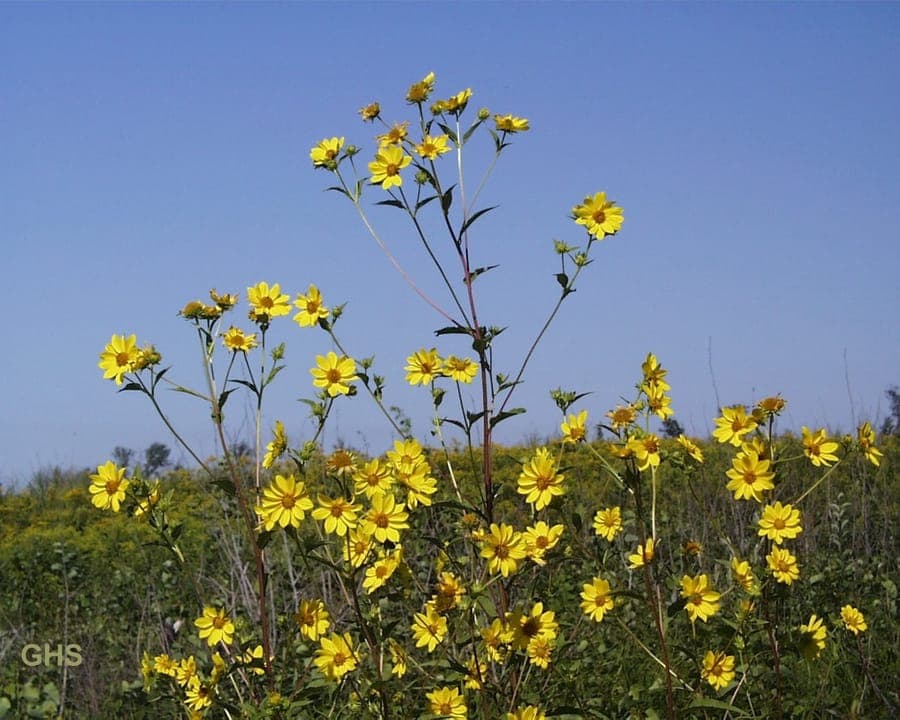
Helianthus giganteus reaches impressive heights of 1.5 to 3 meters, depending on growing conditions and nutrition. The stems are robust and typically unbranched until high up, creating a columnar silhouette. The foliage is green and lance-shaped, approximately 10 to 15 centimeters long.
Flowers appear from August through October in golden yellow, with a dark center. Each bloom is approximately 5 to 8 centimeters in diameter and appears in single to semi-double forms. The flowering is exuberant - an established plant can carry dozens of flowers simultaneously.
After flowering, seed heads form that are themselves decorative and provide food for bird species such as finches.
Ideal location
Helianthus giganteus is a sun-lover requiring at least 6 to 8 hours of direct sunlight daily. Position this giant at the back of borders where it doesn't shade other, shorter plants. Sunny corners, south or west-facing walls, or open garden areas are ideal.
The plant thrives in open locations with good air circulation, though it prefers warm spots. In very windy regions, staking may be necessary - sturdy wooden stakes or bamboo supports.
Avoid overly shady locations, as the plant will bloom poorly and tend to stretch and fall over.
Soil requirements
Helianthus giganteus is relatively forgiving and grows in many soil types, but prefers rich, moisture-retentive soil. Add plenty of compost or organic material when planting. The plant tolerates both acidic and alkaline soils.
Well-drained soil is important - waterlogging can lead to root rot. If you have heavy clay, incorporate organic material to improve drainage.
The plant grows best in nutrient-rich soils, so regular fertilization helps achieve maximum growth and flowering. Mulching around the base helps retain moisture and add nutrition.
Diseño gratis
¿Quieres ver Helianthus giganteus: complete guide en tu jardín? Crea un diseño gratis ahora.
Watering
Helianthus giganteus needs regular watering, especially as it grows and flowers. During the growing season (spring and summer), water when the top layer of soil feels dry - typically two to three times weekly in normal weather.
Once established, the plant can tolerate some drought, but will bloom far less. For optimal flowering, maintain consistently moist (but not waterlogged) soil throughout the growing season.
In autumn, as flowering ends, you can reduce watering. In winter, the plant requires minimal water.
Pruning
Helianthus giganteus requires little pruning work. If the plant becomes too tall and needs staking, you can lightly prune to reduce height, though this may affect flowering.
In late spring (May/June) you can gently tip-prune the plant's top - this encourages many lower branches and results in a bushier, more compact plant with more flowers at lower heights.
After flowering, you can leave seed heads for bird food, or remove them for neater appearance. In autumn or early spring, cut dead stems close to the ground.
Maintenance calendar
May: Lightly prune tops to encourage branching, install support materials if needed. June-July: Regular watering, monitor for disease, add fertilizer. August-October: Enjoy the blooms, continue watering, adjust staking as needed. November-February: Cut dead stems near ground, dormant period, minimal maintenance. March-April: New growth emerges, prepare for the season.
Winter hardiness
Helianthus giganteus is very hardy in the UK and Northern Europe. This is a plant that can tolerate temperatures down to minus 20 degrees Celsius without damage.
The plant dies back to ground level in winter and re-emerges from the roots in spring. This makes it very reliable for permanent plantings. No special winter protection needed.
Younger plants in their first winter can be cautiously mulched to protect the roots.
Companion plants
Helianthus giganteus works well as a background plant behind lower-flowering plants. Combine with mid-height plants such as Rudbeckia, Helenium, or less imposing sunflower varieties in front.
The yellow flowers contrast beautifully with purple or blue blooms - try Asters, Salvias, or Verbascums. In natural gardens, it grows well with other native plants.
Avoid planting many tall plants close together, as competition for sunlight and nutrition becomes intense.
Closing remarks
Helianthus giganteus is a spectacular plant for gardeners with adequate space and desire for a statement planting. With its imposing height, exuberant blooming, and relatively low maintenance requirements, it can be a valuable addition to larger gardens.
For inspiration on how to maximize this drama in your design, check out gardenworld.app. At major garden centers, you can find young plants. Plant this and enjoy golden sunflowers towering above you each autumn.
¿Quieres ver Helianthus giganteus: complete guide en tu jardín? Crea un diseño gratis ahora.
Sube una foto, elige un estilo y obtén un diseño fotorrealista con lista de plantas en menos de un minuto.
Más de 10.000 jardines diseñados
Sin tarjeta de crédito


Plantas similares
Calendula stellata: complete guide
Calendula stellata
Complete guide to Calendula stellata, the star-flowered marigold from Sicily: location, soil, watering and companion planting tips.
Korean chrysanthemum: complete guide
Chrysanthemum x rubellum
Chrysanthemum x rubellum is a hardy autumn perennial with single pink to copper flowers from August to November. Care and combinations.
Helianthus divaricatus: complete guide
Helianthus divaricatus
Helianthus divaricatus is a North American woodland sunflower with yellow summer blooms, ideal for naturalistic borders and shady edges.