
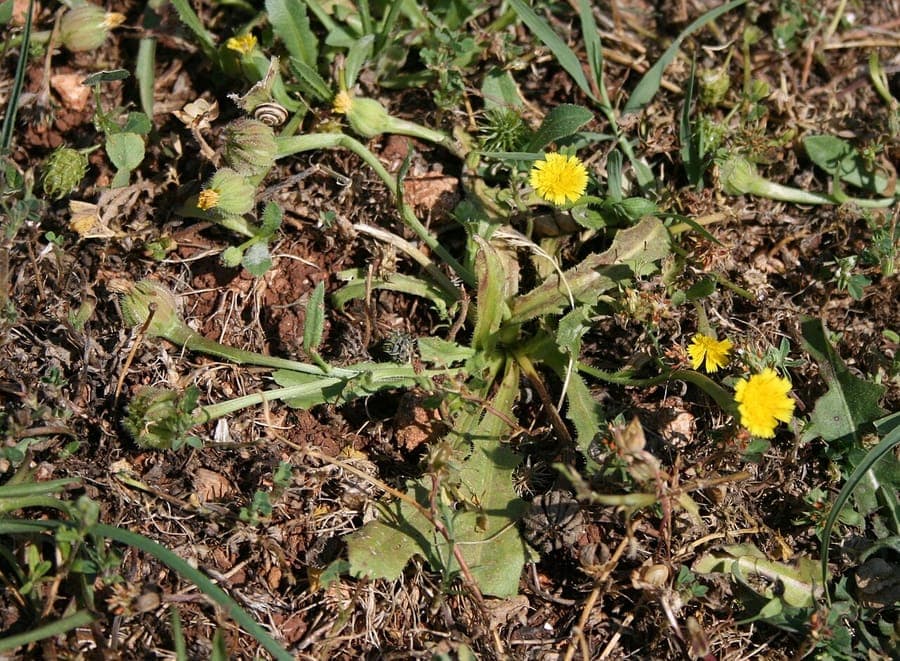
Franz Xaver / CC BY-SA 3.0, via Wikimedia Commons
Hedypnois rhagadioloides: complete guide
Hedypnois rhagadioloides
¿Quieres ver Hedypnois rhagadioloides: complete guide en tu jardín?
1 minuto, sin tarjeta de crédito
Overview
Hedypnois rhagadioloides, commonly known as Cretan hedypnois, is a delicate plant native to the Mediterranean region. This Asteraceae family member is prized for its bright yellow flowers and elegant, fine-textured growth habit. It is the perfect choice for hot, dry gardens.
Originally from Mediterranean regions, this plant adapts well to warm climates and warm-season gardens.
Appearance and Bloom
Hedypnois rhagadioloides is a compact, delicate plant reaching about 30 cm in height. It features fine, thread-like foliage contributing to its airy appearance. Flowers are small, approximately 6-8 mm in diameter, bright yellow in color.
Bloom period extends from May through August. Flowers appear in dense clusters at branch tips, creating fine, airy texture. The plant is known for abundant flowering and extended bloom period.
Ideal Location
Hedypnois rhagadioloides thrives in very sunny locations. The plant requires minimum 7-8 hours direct sunlight daily. A south-facing bed is ideal.
The plant performs well in hot, windy locations. This prevents damp conditions that can lead to disease. Avoid shade and partial shade.
Ensure good air circulation, especially in more humid regions.
Soil
Hedypnois rhagadioloides prefers very well-draining, poor soil. This plant thrives in stony, sandy or calcareous soils. A pH of 7.0-8.0 is ideal.
The plant actually benefits from poor, dry soil. Add sand, gravel and small stones to heavy soil to improve drainage.
Avoid organically rich soils, which can result in excessive growth.
Diseño gratis
¿Quieres ver Hedypnois rhagadioloides: complete guide en tu jardín? Crea un diseño gratis ahora.
Watering
Hedypnois rhagadioloides is highly drought-tolerant once established. Water sparingly. The plant tolerates long dry periods and thrives without supplemental water.
During cultivation of young plants, water regularly until the plant is well established. After establishment, minimal or no watering is needed.
Avoid waterlogged conditions; this can result in root rot and fungal disease.
Pruning
Hedypnois rhagadioloides requires minimal pruning. The plant has a naturally compact, neat form.
Remove faded flowers and stems at season's end. This encourages seed setting for next season.
The plant needs no deadheading to continue blooming.
Maintenance Calendar
April-May: Direct sow seed in dry garden beds.
May-June: Young plants establish quickly in warm conditions.
June-August: Rich flowering. Minimal water needed.
August-September: Seed setting. Leave seeds to ripen on plant.
Winter Hardiness
Hedypnois rhagadioloides can remain outdoors through winter in many temperate zones, depending on location. In severe winters, the plant may die back. In warmer regions it grows as an evergreen.
In colder regions, treat as annual or protect during winter.
Companion Plants
Hedypnois rhagadioloides combines well with other drought-tolerant plants:
Lavandula (Lavender) Helianthemum (Rock rose) Salvia (Sage) Artemisia (Wormwood)
The yellow flowers contrast beautifully with purple or grey-leaved companions.
Closing Remarks
Hedypnois rhagadioloides is an elegant, low-maintenance plant perfect for dry gardens. Its delicate yellow flowers bring summer brightness to warm, dry beds. This plant is ideal for gardenworld.app/en visitors with Mediterranean garden aspirations.
Available at: Retail garden centers Online plant specialists
¿Quieres ver Hedypnois rhagadioloides: complete guide en tu jardín? Crea un diseño gratis ahora.
Sube una foto, elige un estilo y obtén un diseño fotorrealista con lista de plantas en menos de un minuto.
Más de 10.000 jardines diseñados
Sin tarjeta de crédito


Plantas similares
Calendula stellata: complete guide
Calendula stellata
Complete guide to Calendula stellata, the star-flowered marigold from Sicily: location, soil, watering and companion planting tips.
Korean chrysanthemum: complete guide
Chrysanthemum x rubellum
Chrysanthemum x rubellum is a hardy autumn perennial with single pink to copper flowers from August to November. Care and combinations.
Helianthus divaricatus: complete guide
Helianthus divaricatus
Helianthus divaricatus is a North American woodland sunflower with yellow summer blooms, ideal for naturalistic borders and shady edges.