
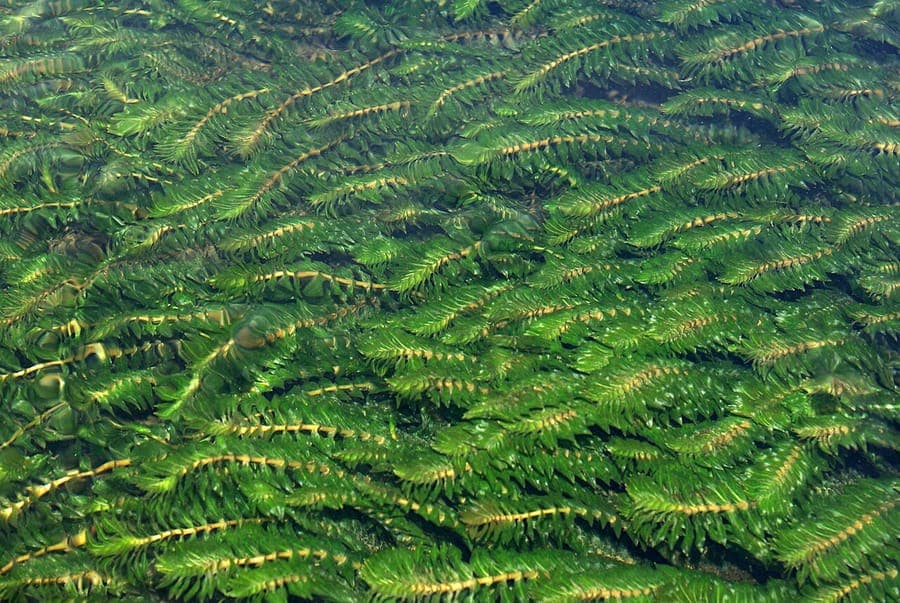
David Perez / CC BY 3.0, via Wikimedia Commons
Groenlandia densa (Frog's Lettuce): complete guide
Groenlandia densa
¿Quieres ver Groenlandia densa (Frog's Lettuce): complete guide en tu jardín?
1 minuto, sin tarjeta de crédito
Overview
Groenlandia densa, commonly known as frog's lettuce, is a fascinating submerged aquatic plant originating from Europe, the Mediterranean region through to Western Asia. This compact plant from the Potamogetonaceae family is widely used in aquariums and small ponds due to its size and aesthetic value. With its dense leaf pairs and dark green coloring, Groenlandia densa provides excellent hiding places for fish and contributes to aquatic ecosystem biodiversity. For aquarium enthusiasts seeking a low-maintenance background plant, this species is an excellent choice.
When designing an aquarium or small pond, Groenlandia densa can add structural elements without requiring significant effort. You can use gardenworld.app to find inspiration for designing water gardens with diverse aquatic plants. Though this plant primarily matters for water environments, the plant-design concept contributes to the overall harmony of garden spaces with water features.
Appearance & Leaves
Groenlandia densa grows to a height of approximately 10-15 cm and forms compact, densely growing shrubs. The plant features small, opposite leaves that are only 1-2 cm long and exhibit dark green to reddish coloring, particularly under optimal conditions. The leaves are elongated-lanceolate and grow in close sequences along the stem. As this plant is entirely submerged, it does not produce flowers above the water surface but reproduces underwater. The entire plant has a very compact growth pattern, making it ideal for small aquariums.
Ideal Location
Groenlandia densa thrives best in aquariums and ponds with stable water conditions. The plant prefers lightly shaded environments, though it also grows well under stronger aquarium lighting. For optimal growth, an aquarium environment with at least 8-10 hours of daylight daily is recommended. In Mediterranean climates (USDA zones 8-10), it can grow in shallow outdoor ponds, particularly in southern European regions. In the Netherlands and Belgium, this plant is suitable exclusively for indoor ponds or aquariums.
Substrate
The substrate for Groenlandia densa should be fine and nutrient-rich. Fine sand or specialized aquarium gravel of 2-3 mm is ideal for root development. Add nutrients via water column fertilization (aquarium fertilizers) since direct substrate uptake is less important for aquatic plants. A substrate layer of at least 3-4 cm is sufficient. The plant can also grow floating in water but prefers to root in good substrate conditions. For ponds, the layer should be at least 5 cm of fine silt.
Diseño gratis
¿Quieres ver Groenlandia densa (Frog's Lettuce): complete guide en tu jardín? Crea un diseño gratis ahora.
Water Conditions
Groenlandia densa prefers neutral to slightly acidic water composition with a pH between 6.0 and 7.0. Water hardness (GH) should range between 4 and 8 degrees. For aquarium use, normal tap water parameters are usually sufficient. Regular water changes (25-30% weekly) help maintain toxin levels. Water temperature should remain between 18-25 °C; in colder climates, the plant grows slower but remains viable. CO2 injection is not strictly necessary but can stimulate growth.
Propagation
Groenlandia densa reproduces primarily vegetatively. When the plant is long enough (10-15 cm), you can cut off side shoots and insert these as separate plants into the substrate. Within several weeks, the cut pieces will form roots and establish themselves as independent plants. This way, you can easily create a densely growing cluster. Regularly pinching off the tips stimulates bushier growth.
Maintenance Calendar
January-March: Growth is slow; keep water clean and add minimal fertilizers. No pruning needed. April-May: Temperature rises; growth increases. Begin weekly fertilizer application. June-August: Peak growing season; increase water changes to 30-40% weekly. Monitor for algae. September-October: Growth stabilizes; continue fertilizer application. November-December: Growth slows; reduce fertilization and keep water cool (ideally 18-22 °C).
Winter Hardiness
Groenlandia densa is actually a temperate species and can grow in aquariums year-round. In outdoor ponds in the Netherlands and Belgium (USDA zones 5-6), the plant will not survive winter outdoors. If you have used this plant in a pond, you must move it to an indoor tank before winter. In southern climates (USDA zones 8-10), it can remain outdoors in deep ponds where water does not freeze completely.
Plant Partnerships & Composition
Groenlandia densa works well with other small aquatic plants such as Hemianthus micranthemoides, Cryptocoryne, and Ludwigia. This combination creates a natural planted aquarium backdrop. In ponds, it is compatible with water lilies and other growing aquatic plants. Avoid strong water flow around the plant as this can damage the compact leaves.
Final Thoughts
Groenlandia densa is a low-maintenance, aesthetic aquatic plant that appeals to both beginner and experienced aquarists. With its compact growth pattern and dark green coloring, this plant adds structure and life to aquariums and pond landscapes. When planting this species alongside other aquatic plants, you create a balanced ecosystem. For best results, purchase plant material from specialized aquarium shops where you can receive expert advice on planting and caring for aquatic plants. With proper care, you will enjoy Groenlandia densa for years and can use gardenworld.app to visualize your aquarium or pond design as part of your larger garden plan.
¿Quieres ver Groenlandia densa (Frog's Lettuce): complete guide en tu jardín? Crea un diseño gratis ahora.
Sube una foto, elige un estilo y obtén un diseño fotorrealista con lista de plantas en menos de un minuto.
Más de 10.000 jardines diseñados
Sin tarjeta de crédito


Plantas similares
Robbins' pondweed: complete guide
Potamogeton robbinsii
Complete care guide for Potamogeton robbinsii, the submerged aquatic plant perfect for wildlife ponds and natural water gardens.
Flatstem pondweed: complete guide
Potamogeton zosteriformis
Complete care guide for Potamogeton zosteriformis, the flatstem pondweed perfect for clear freshwater ponds and naturalistic water gardens.
Largeleaf pondweed: complete guide
Potamogeton amplifolius
Everything about largeleaf pondweed (Potamogeton amplifolius): pond cultivation, water depth, substrate, care calendar and ecological role in garden ponds.