
Wikimedia Commons / Public domain, via Wikimedia Commons
Gossypium hirsutum: The American Cotton Plant Guide
Gossypium hirsutum
¿Quieres ver Gossypium hirsutum: The American Cotton Plant Guide en tu jardín?
1 minuto, sin tarjeta de crédito
Overview
Gossypium hirsutum, commonly known as American cotton, is a striking warm-season plant that brings both beauty and curiosity to the garden. While primarily grown commercially, it can thrive in home gardens with the right care. On gardenworld.app, we highlight unique plants like this for gardeners looking to step beyond the usual annuals. In temperate zones, it's best treated as an annual, planted after the last frost. With its dramatic flowers and fluffy cotton bolls, it adds visual interest and a touch of agricultural charm.
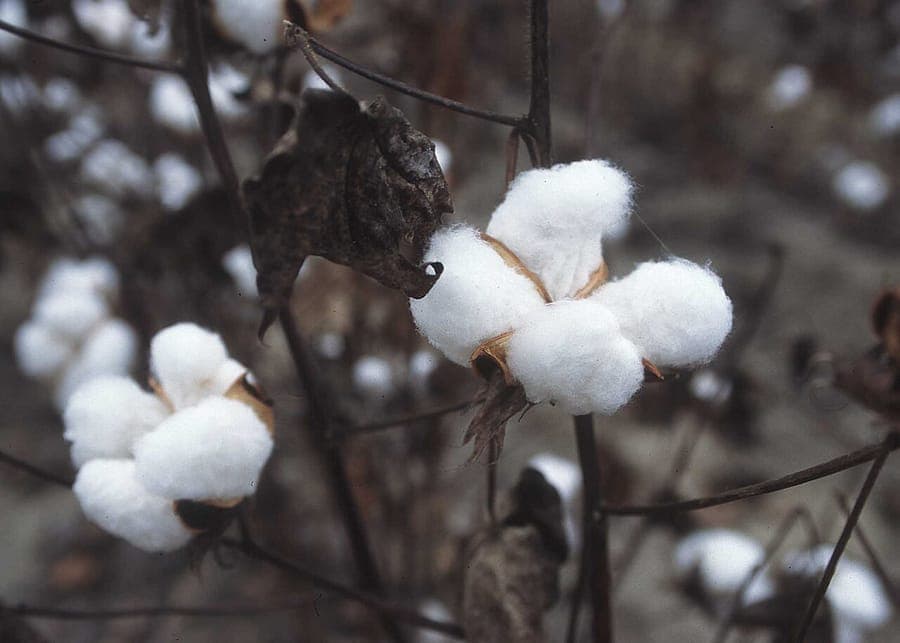
This aspect is crucial for successful plant cultivation and should be carefully considered when planning your garden layout. Taking time to understand these requirements will result in healthier plants and more satisfying gardening results over the long term.## Appearance & bloom cycle This plant grows 3 to 5 feet tall with a bushy habit and large, lobed leaves that feel slightly rough. In mid to late summer, cup-shaped flowers appear in shades of creamy white or pale pink, often fading to red as they age. Each bloom lasts just a day or two before giving way to a green capsule. This capsule splits open after a few weeks, revealing the soft white cotton fibers surrounding the seeds. The blooming and boll-opening process stretches from July through October, offering a long season of interest.
Careful attention to these guidelines will ensure your plants thrive throughout the growing season and beyond. Regular monitoring and timely interventions based on plant needs are essential for maintaining plant health and vigor in your garden environment.## Ideal location Full sun is non-negotiable. Gossypium hirsutum needs at least 6 to 8 hours of direct sunlight daily to set flowers and develop bolls. Choose a south-facing spot with no shading from trees or structures. If growing in containers, use large pots and place them in the sunniest part of the yard or patio. Start seeds indoors 6 to 8 weeks before the last frost, or pick up young plants from garden centres in late spring.
This aspect is crucial for successful plant cultivation and should be carefully considered when planning your garden layout. Taking time to understand these requirements will result in healthier plants and more satisfying gardening results over the long term.## Soil requirements Well-drained, fertile soil is essential. A mix of garden soil, compost, and coarse sand ensures good aeration and prevents waterlogging. The ideal pH ranges from 6.0 to 7.0. Avoid heavy clay soils unless amended with organic matter. For best results, prepare the bed deeply and keep it weed-free. Gardenworld.app offers soil prep checklists that help you get the foundation right before planting.
Careful attention to these guidelines will ensure your plants thrive throughout the growing season and beyond. Regular monitoring and timely interventions based on plant needs are essential for maintaining plant health and vigor in your garden environment.## Watering Consistent moisture is key during the growing season. Water deeply once or twice a week, depending on rainfall and temperature. Let the top inch of soil dry slightly between waterings, but don't let the plant wilt. Overhead watering increases fungal risk, so water at the base. In containers, check daily in hot weather – pots dry out fast. Mulching helps retain moisture and keeps roots cool.
This aspect is crucial for successful plant cultivation and should be carefully considered when planning your garden layout. Taking time to understand these requirements will result in healthier plants and more satisfying gardening results over the long term.## Pruning Pruning isn't usually needed, but light shaping can encourage bushier growth. Remove any yellowing or diseased leaves to improve airflow. Avoid heavy pruning, as it can delay flowering and reduce yield. If growing for ornamental value, let the plant develop naturally to showcase its full form and cotton bolls.
Careful attention to these guidelines will ensure your plants thrive throughout the growing season and beyond. Regular monitoring and timely interventions based on plant needs are essential for maintaining plant health and vigor in your garden environment.## Maintenance calendar
- March-April: Start seeds indoors under grow lights.
- May: Harden off seedlings; transplant outdoors after last frost.
- June-July: Monitor for pests; water regularly; apply balanced liquid feed every 3 weeks.
- August-September: Watch for boll development. Protect from heavy rain.
- October: Harvest mature, open bolls. Remove plant debris.
- November: Clear garden bed. No overwintering needed.
This aspect is crucial for successful plant cultivation and should be carefully considered when planning your garden layout. Taking time to understand these requirements will result in healthier plants and more satisfying gardening results over the long term.## Winter hardiness Gossypium hirsutum is not frost-tolerant and dies at temperatures below 40°F (5°C). It's grown as an annual in most temperate regions, including the UK and northern US. Overwintering attempts indoors usually fail due to poor light and pest issues. Plan for fresh plants each year.
Careful attention to these guidelines will ensure your plants thrive throughout the growing season and beyond. Regular monitoring and timely interventions based on plant needs are essential for maintaining plant health and vigor in your garden environment.## Companion plants Good companions include tomatoes, peppers, marigolds, and basil-plants that enjoy similar sun and warmth. Marigolds help deter nematodes, which can affect cotton roots. Avoid planting near tall crops that cast shade. Keep spacing generous to prevent crowding and improve air movement.
This aspect is crucial for successful plant cultivation and should be carefully considered when planning your garden layout. Taking time to understand these requirements will result in healthier plants and more satisfying gardening results over the long term.## Closing Growing cotton at home may seem unusual, but Gossypium hirsutum is surprisingly adaptable and rewarding. From its fleeting flowers to the satisfying harvest of raw cotton, it connects gardeners to the source of a global textile. Whether you're growing it for curiosity, education, or beauty, it's a conversation starter. For planting reminders and care tips, visit gardenworld.app and check seasonal guides tailored to your region. Find starter plants at major garden centres just as summer begins.
¿Quieres ver Gossypium hirsutum: The American Cotton Plant Guide en tu jardín? Crea un diseño gratis ahora.
Sube una foto, elige un estilo y obtén un diseño fotorrealista con lista de plantas en menos de un minuto.
Más de 10.000 jardines diseñados
Sin tarjeta de crédito


Plantas similares
Crimean linden: complete guide
Tilia × euchlora
Crimean linden is an elegant, fast-growing shade tree ideal for large gardens. Discover cultivars, spacing, maintenance tips and winter hardiness.
California flannelbush: complete guide
Fremontodendron californicum
Everything about California flannelbush (Fremontodendron californicum): sunny placement, drainage, pruning and care for this spectacular yellow-flowering shrub.
Hairy rose mallow: complete guide
Hibiscus moscheutos subsp. lasiocarpos
Full growing guide for hairy rose mallow (Hibiscus moscheutos subsp. lasiocarpos): location, soil, watering, winter hardiness and garden design tips.