
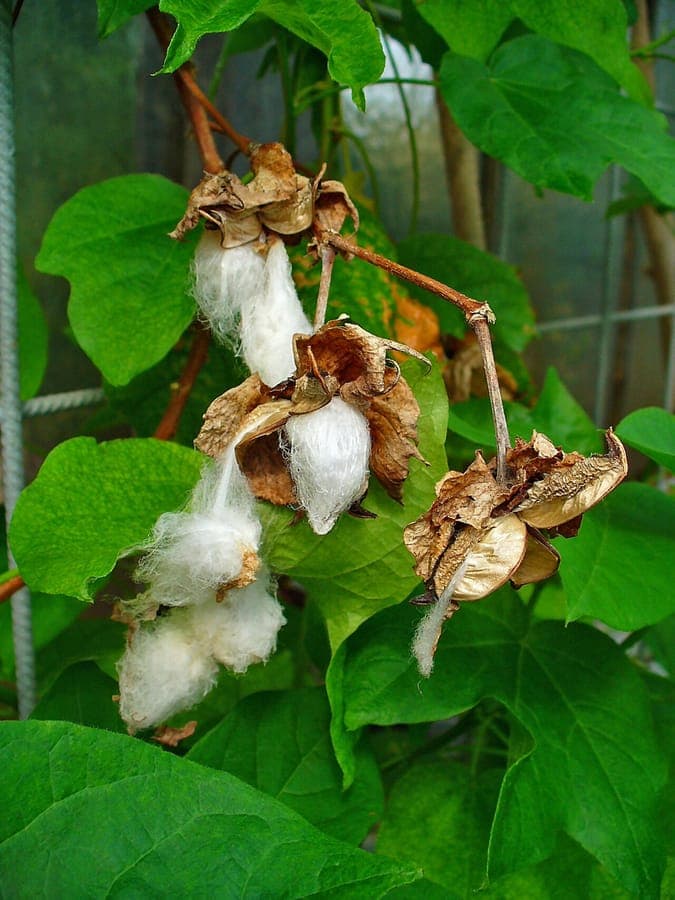
H. Zell / CC BY-SA 3.0, via Wikimedia Commons
Cotton (Gossypium herbaceum)
Gossypium herbaceum
¿Quieres ver Cotton (Gossypium herbaceum) en tu jardín?
1 minuto, sin tarjeta de crédito
Overview
Gossypium herbaceum, commonly known as Levant cotton or Asian cotton, is an annual herbaceous plant native to tropical and subtropical regions of South Asia and the Middle East. This ancient cotton species is valued for its historical significance and distinctive growth patterns. It reaches a height of 60 to 120 cm, with an upright growth habit. The plant produces bright yellow flowers and characteristic cotton bolls that open to reveal soft white lint surrounding the seeds.
This aspect is crucial for successful plant cultivation and should be carefully considered when planning your garden layout. Taking time to understand these requirements will result in healthier plants and more satisfying gardening results over the long term.## Appearance & bloom cycle The plant has broad, rough-textured leaves, 5 to 10 cm wide, with three to five distinct lobes. The yellow flowers are 3 to 4 cm in diameter and typically last only one day. After flowering, green capsule fruits (bolls) develop and mature over several weeks. In late summer, the bolls split open to expose fluffy cotton fibers, typically in late summer to early autumn, depending on climate.
Careful attention to these guidelines will ensure your plants thrive throughout the growing season and beyond. Regular monitoring and timely interventions based on plant needs are essential for maintaining plant health and vigor in your garden environment.## Ideal location Gossypium herbaceum thrives in full sun, requiring at least 6 to 8 hours of direct sunlight daily. It performs best in open fields, greenhouses, or warm, sunny garden beds. Young seedlings benefit from light wind protection using cloches or row covers.
This aspect is crucial for successful plant cultivation and should be carefully considered when planning your garden layout. Taking time to understand these requirements will result in healthier plants and more satisfying gardening results over the long term.## Soil requirements This plant prefers well-drained, light clay or sandy loam soils rich in organic matter. The ideal pH range is between 6.0 and 7.5. Avoid waterlogged soils, as they can lead to root rot and poor establishment.
Careful attention to these guidelines will ensure your plants thrive throughout the growing season and beyond. Regular monitoring and timely interventions based on plant needs are essential for maintaining plant health and vigor in your garden environment.## Watering During germination and early growth, maintain consistently moist (but not soggy) soil. Once established, reduce watering frequency but ensure the plant does not dry out completely, especially during flowering and boll development. Irrigation may be needed during prolonged dry spells.
This aspect is crucial for successful plant cultivation and should be carefully considered when planning your garden layout. Taking time to understand these requirements will result in healthier plants and more satisfying gardening results over the long term.## Pruning Pruning is minimal. Remove diseased or dead foliage to prevent fungal infections. Tip pruning young plants can encourage bushier growth and lateral branching, improving air circulation and yield potential.
Careful attention to these guidelines will ensure your plants thrive throughout the growing season and beyond. Regular monitoring and timely interventions based on plant needs are essential for maintaining plant health and vigor in your garden environment.## Maintenance calendar
- January: Begin seed preparation (indoors/greenhouse)
- February: Sow seeds indoors at 20–25°C
- March: Transplant seedlings into larger pots
- April: Prepare garden beds; begin hardening off seedlings
- May: Transplant outdoors after last frost
- June: Monitor growth and pest activity
- July: Active growth phase; light fertilization if needed
- August: Flowering and boll formation
- September: Harvest mature cotton bolls
- October: Remove plant debris
- November–December: Rest period; soil enrichment for next season
This aspect is crucial for successful plant cultivation and should be carefully considered when planning your garden layout. Taking time to understand these requirements will result in healthier plants and more satisfying gardening results over the long term.## Winter hardiness Gossypium herbaceum is not frost-tolerant and grows best in USDA hardiness zones 9–11. In temperate climates, grow as an annual, starting seeds indoors in late winter. Protect seedlings from cold winds and night frosts using row covers or cold frames.
Careful attention to these guidelines will ensure your plants thrive throughout the growing season and beyond. Regular monitoring and timely interventions based on plant needs are essential for maintaining plant health and vigor in your garden environment.## Companion plants Suitable companion plants include corn (for windbreak), beans (nitrogen fixation), okra, peppers, and thyme. It performs well in polyculture systems with other heat- and sun-loving crops in permaculture gardens.
This aspect is crucial for successful plant cultivation and should be carefully considered when planning your garden layout. Taking time to understand these requirements will result in healthier plants and more satisfying gardening results over the long term.
In addition to the specific care requirements outlined above, successful cultivation of this plant depends on consistent attention to its environmental needs. Gardeners should monitor soil moisture regularly, observe the plant for any signs of stress or disease, and adjust care practices according to seasonal variations in weather and growing conditions. When sourcing plants or seeds, purchase from reputable nurseries or specialized suppliers that guarantee quality specimens. Remember that establishing healthy plants takes time and patience, but the results are well worth the investment in proper care and maintenance techniques.
For specific regional advice or if you encounter any challenges, consult with local horticultural experts or extension services in your area. These professional resources can provide tailored recommendations based on your specific growing conditions and climate zone. Additionally, online gardening communities and forums offer valuable peer support and shared experiences from fellow gardeners cultivating the same species.
Additional considerations for successful cultivation include providing adequate space between plants to ensure proper air circulation, which helps prevent fungal diseases and promotes healthy foliage development. Regular fertilization during the growing season supports robust growth and abundant flowering. Consider implementing integrated pest management techniques to address any insect issues while minimizing environmental impact. Keeping detailed records of your cultivation practices, observations, and results helps refine your approach over time and contributes to your growing expertise as a gardener.
Closing
Gossypium herbaceum is an intriguing plant for gardeners interested in heirloom crops, plant history, and sustainable fiber production. Visit gardenworld.app for permaculture design inspiration, cotton processing tips, and community gardening projects.
¿Quieres ver Cotton (Gossypium herbaceum) en tu jardín? Crea un diseño gratis ahora.
Sube una foto, elige un estilo y obtén un diseño fotorrealista con lista de plantas en menos de un minuto.
Más de 10.000 jardines diseñados
Sin tarjeta de crédito


Plantas similares
Crimean linden: complete guide
Tilia × euchlora
Crimean linden is an elegant, fast-growing shade tree ideal for large gardens. Discover cultivars, spacing, maintenance tips and winter hardiness.
California flannelbush: complete guide
Fremontodendron californicum
Everything about California flannelbush (Fremontodendron californicum): sunny placement, drainage, pruning and care for this spectacular yellow-flowering shrub.
Hairy rose mallow: complete guide
Hibiscus moscheutos subsp. lasiocarpos
Full growing guide for hairy rose mallow (Hibiscus moscheutos subsp. lasiocarpos): location, soil, watering, winter hardiness and garden design tips.