
Kurt Stüber [1] / CC BY-SA 3.0, via Wikimedia Commons
Geranium Platypetalum: complete guide
Geranium platypetalum
¿Quieres ver Geranium Platypetalum: complete guide en tu jardín?
1 minuto, sin tarjeta de crédito
Overview
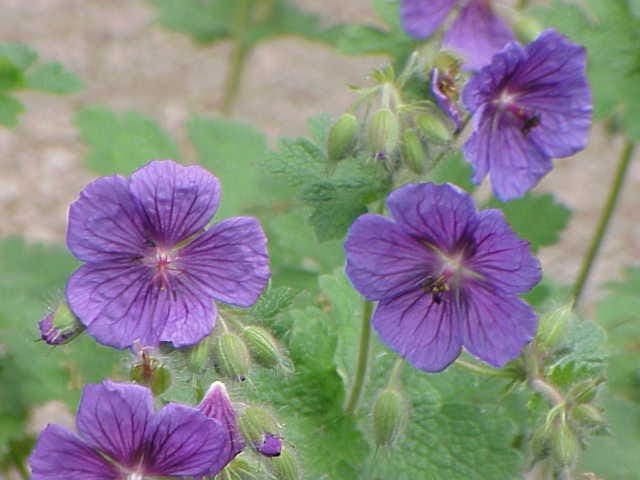
Geranium platypetalum, known as broad-petaled crane's-bill or glandular crane's-bill, is a beautiful perennial from the Geraniaceae family. This plant is native to the Caucasus Mountains and regions from Turkey to Iran. It is known for its large, purple flowers with broad petals that appear from May to July. The plant forms a full, healthy shrub 60-80 cm tall and is ideal for mixed borders, perennial beds and shady corners. This is a reliable perennial that deserves much more attention than it receives.
Appearance and bloom
Geranium platypetalum grows as a compact shrub up to 80 centimeters tall and wide. The leaves are deeply divided and dark green in color with nice texture. The flowers are large, up to 4 centimeters across, with five broad petals in purple or lilac tones with darker veining. The flowers appear from May to July in clusters at the tops of branches. They attract bees and butterflies. The plant has an almost perpetual blooming period in some years.
Ideal location
Plant Geranium platypetalum in partial shade to full sun. The plant grows best with at least three to four hours of direct sunlight per day. In warm regions the plant appreciates some afternoon shade which leads to longer flowering. Ensure good soil moisture; avoid drying winds or extreme heat.
Soil
Geranium platypetalum grows best in moderately fertile, well-draining soil. A pH of 6.0-7.5 is ideal. Add humus and well-rotted compost beforehand. The plant tolerates light clay soils well. Heavy soils should be improved with sand and organic matter. Rich soils can lead to excessive foliage formation.
Diseño gratis
¿Quieres ver Geranium Platypetalum: complete guide en tu jardín? Crea un diseño gratis ahora.
Watering
Once established, little water is needed. Water regularly during the growing season (May-July) when soil feels dry 5 centimeters down. Water more in hot periods. Water less after blooming. No water needed in winter. Excessive water can cause disease. Well-established plants survive drought reasonably well.
Pruning
Minimal pruning is sufficient. After blooming, faded flowers can be removed for a neater appearance. In spring remove old, damaged or diseased branches. Leave plant material standing over winter for root insulation.
Maintenance calendar
Spring: Plant specimens March-April, water first month, no feeding needed. Let groups form. Summer: Water during drought, enjoy flowers May-July. Enjoy further. Autumn: Blooming ends, less water, no pruning now. Winter: Plant partially dies back, leave dead branches standing.
Winter hardiness
Geranium platypetalum is reasonably winter hardy to -15 degrees Celsius. In mild winters the plant remains partially evergreen. In harsh winters above-ground growth dies back but regrows from underground roots in spring. Protect in extremely cold areas with leaf litter. A hardy plant suitable for most of Europe.
Companion plants
Geranium platypetalum blooms beautifully with other perennials. Combine with delphiniums, salvias and rosemary for color contrast. It contrasts nicely with silver-leaved plants like artemisia. Use with lavender, rosemary or other Mediterranean herbs for a drought-tolerant bed. Also beautiful with sedum and nepeta.
Closing
Geranium platypetalum is a true classic for summer borders and perennial beds. The large purple flowers and robust growth make this a reliable choice. Undemanding, drought-tolerant and long-lived. Perfect for gardens where you want a hardy geranium effect without much maintenance. Available at quality garden centers. Once established it requires almost no further care.
¿Quieres ver Geranium Platypetalum: complete guide en tu jardín? Crea un diseño gratis ahora.
Sube una foto, elige un estilo y obtén un diseño fotorrealista con lista de plantas en menos de un minuto.
Más de 10.000 jardines diseñados
Sin tarjeta de crédito


Plantas similares
Pelargonium acetosum: complete guide
Pelargonium acetosum
Discover the Sorrel-leaf Geranium: a South African plant with aromatic foliage. Perfect for containers and warm locations. Learn cultivation and care.
Erodium foetidum: complete guide
Erodium foetidum
Rock stork's-bill is a delicate alpine plant with purple flowers and fine foliage. Learn how to grow this Mediterranean charmer in your front garden.
Pelargonium crithmifolium: complete guide
Pelargonium crithmifolium
Discover Samphire-leaf pelargonium: an exotic South African geranium with distinctive foliage. Growing tips, care advice and garden inspiration.