
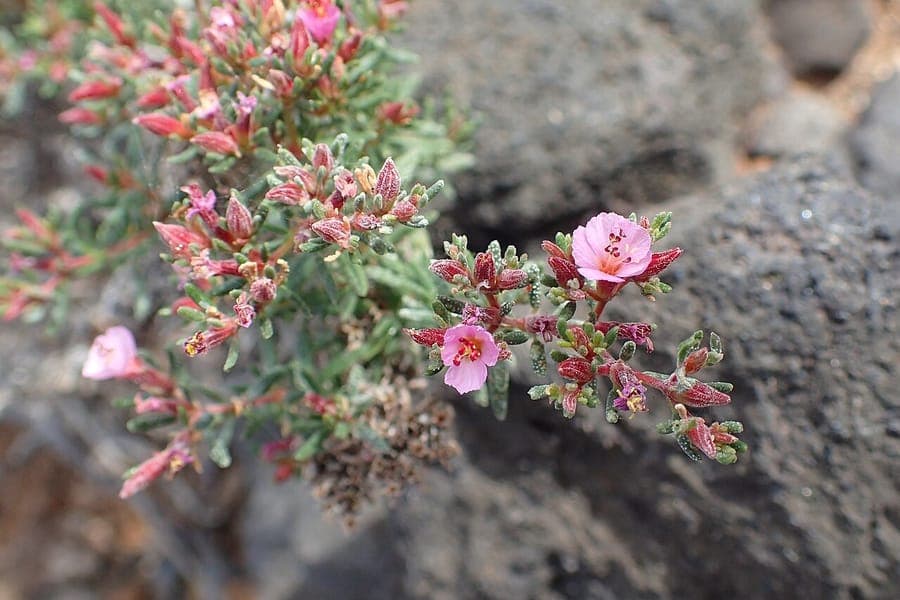
Krzysztof Ziarnek, Kenraiz / CC BY-SA 4.0, via Wikimedia Commons
Frankenia pulverulenta: complete guide
Frankenia pulverulenta
¿Quieres ver Frankenia pulverulenta: complete guide en tu jardín?
1 minuto, sin tarjeta de crédito
Overview
Frankenia pulverulenta, commonly known as European sea-heath or wisp-weed, is a compact ground cover that thrives in challenging conditions where many other garden plants struggle. This hardy member of the Frankeniaceae family excels in salty, drought-prone, and alkaline soils. The plant is extensively used in coastal fortification projects and modern garden designs due to its remarkable adaptability to harsh environments. With its fine texture and compact growth habit, it provides an elegant contrast alongside larger garden plants, creating visual interest while requiring minimal maintenance throughout the growing season.
Appearance and Blooming Period
Frankenia pulverulenta grows as a low, tufted mound typically reaching only 20 to 30 centimetres in height. The plant features exceptionally fine, almost needle-like foliage densely arranged along its stems, creating a soft, carpet-like appearance. During summer months from May through August, tiny blue flowers cluster profusely along the stems. These delicate blooms are completely resistant to wind and coastal conditions, making them ideal for seaside gardens. The plant maintains its compact form and evergreen foliage even under the most challenging environmental conditions, providing year-round structure and interest.
Ideal Location
Place Frankenia pulverulenta in full sun where it receives at least six to eight hours of direct sunlight daily. This ensures the best flowering display and most compact growth pattern. The plant is exceptionally tough and tolerates intense sun without any negative effects. Shelter from strong winds is ideal but not necessary, as this plant withstands coastal winds admirably. This makes it perfect for coastal gardens, sloping terrain, and windy locations. Because it tolerates salt spray, it performs exceptionally well in seaside settings and can thrive even in highly exposed environments where other plants fail.
Soil Requirements
Frankenia pulverulenta is not demanding regarding soil composition and can grow in sandy, gravelly, and nutrient-poor substrates. However, it prefers well-draining soil to prevent waterlogging around the roots. Salty sand poses no problem and may even be beneficial, as this species naturally occurs in coastal areas and salt marshes across the Mediterranean. The plant tolerates soils with pH between 7.0 and 7.5, making it suitable for neutral to slightly alkaline conditions. Add organic matter if the soil is extremely impoverished, but avoid excessive fertilisation as this can promote lush growth at the expense of hardiness.
Diseño gratis
¿Quieres ver Frankenia pulverulenta: complete guide en tu jardín? Crea un diseño gratis ahora.
Watering
Once established, Frankenia pulverulenta requires minimal supplemental watering. During dry spells, occasional irrigation is beneficial, particularly during the first growing season after planting. Water in the early morning and ensure the soil drains well to prevent waterlogging. Under normal rainfall, additional watering is usually unnecessary. The plant is remarkably drought-tolerant, surviving extended dry periods thanks to its deep root system that accesses moisture reserves unavailable to shallow-rooted plants.
Pruning
Frankenia pulverulenta requires minimal pruning. If desired, perform light pruning in spring (March-April) to maintain shape and remove any dead branches. Heavy pruning is unnecessary as the plant naturally maintains a compact form. Exercise caution, removing only dead wood, as this species recovers slowly from drastic cuts. Light superficial pruning after flowering can enhance the plant's appearance without causing damage or stress.
Maintenance Calendar
In spring (March), inspect plants for frost damage and remove any affected parts. During May-June, check surrounding areas for weeds and remove competitors before they establish. Throughout the blooming period (May-August), monitor water needs during exceptionally dry periods. In autumn (September-October), perform light pruning if desired to maintain attractive shape. In December, assess overall plant condition and check for winter damage before the coldest period arrives.
Winter Hardiness
Frankenia pulverulenta is hardy to USDA zone 7 (-12 to -18°C). In the UK and northern Europe, this plant is completely winter-hardy and can remain outdoors without freezing. It withstands snow and ice without damage. Only in extreme frost events with temperatures below -20°C might problems arise, though this is rare in temperate regions. The evergreen foliage remains attractive throughout the year, providing winter structure.
Companion Plants
Frankenia pulverulenta combines beautifully with other drought-loving plants and coastal species. Its low growth habit allows it to serve as ground-level filler around taller plants. It works particularly well alongside Helichrysum, Santolina, and other Mediterranean ground covers. In seaside gardens, it pairs attractively with structural plants like ornamental grasses and alliums for layered interest. For textural contrast, plant it near bold-leaved plants or trees with finer foliage to highlight its unique needle-like appearance.
Conclusion
Frankenia pulverulenta is an excellent choice for gardeners seeking a ground cover capable of thriving in difficult conditions. Whether establishing a coastal garden, greening a dry slope, or simply wanting a tough, maintenance-free plant, this European sea-heath performs admirably. Available at garden centres and online retailers specialising in Mediterranean plants. With its blue summer blooms and fine texture, it provides years of gardening satisfaction with minimal effort. Need more advice? Visit gardenworld.app for expert guidance or browse gardenworld.app for design inspiration.
¿Quieres ver Frankenia pulverulenta: complete guide en tu jardín? Crea un diseño gratis ahora.
Sube una foto, elige un estilo y obtén un diseño fotorrealista con lista de plantas en menos de un minuto.
Más de 10.000 jardines diseñados
Sin tarjeta de crédito


Plantas similares
Acer pycnanthum: complete guide
Acer pycnanthum
Acer pycnanthum, the Japanese swamp maple, is a fast-growing tree with early red flowers and brilliant autumn color, ideal for damp garden settings.
Freeman maple: complete guide
Acer × freemanii
Everything about the Freeman maple (Acer x freemanii): a fast-growing shade tree with spectacular autumn colour for large gardens.
Silver vine: complete guide
Actinidia polygama
Discover silver vine (Actinidia polygama): a hardy climbing plant with silvery foliage, loved by gardeners and cats alike.