
Wikimedia Commons / CC BY-SA 3.0, via Wikimedia Commons
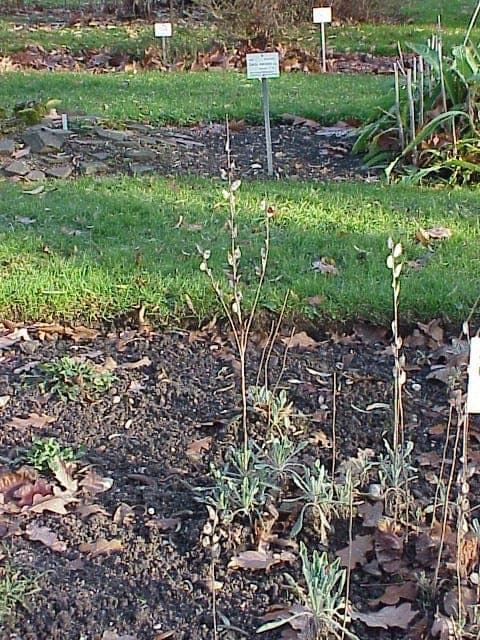
Fibigia clypeata: complete guide
Fibigia clypeata
¿Quieres ver Fibigia clypeata: complete guide en tu jardín?
1 minuto, sin tarjeta de crédito
Overview
Fibigia clypeata, commonly known as the Herb of Jerusalem or Herb of the Crusades, is a fascinating Mediterranean plant native to the eastern Mediterranean region extending to Western Asia. This robust dwarf shrub is celebrated for its brilliant golden-yellow spring flowers and characteristic shield-shaped seed pods that persist attractively through autumn. For gardeners seeking a season-punctuating accent plant combining elegance with resilience, this proves ideal.
Appearance and Bloom
Fibigia clypeata grows as a compact, slightly mounded dwarf shrub clothed in soft gray-green foliage. The leaves are small, linear to spatulate, creating fine texture. The true attraction lies in abundance of golden-yellow, small flowers clustered densely from April through June. Following bloom, characteristic shield-shaped fruits (siliquae) form, turning gray-green to beige while remaining decorative through late autumn and winter.
Ideal Location
Full sun is essential. Provide at least six hours of direct sunlight daily to stimulate flowering abundance and compact growth habit. In partial shade, plants stretch longer and bloom less profusely. This plant thrives even in ventilating, windy locations without difficulty. For optimal appearance and maximum blooming, position in sunny, open locations that maximize light exposure.
Soil
Fibigia clypeata demands excellent drainage. Sandy to rocky soils with limited fertility prove ideal. pH can be neutral to slightly alkaline (6.5-8.0). Heavy, moisture-retentive soils lead to root rot and disease problems. Amend poorer soils with coarse sand or gravel. This plant actually prefers somewhat ascetic soil conditions.
Watering
Once established, Fibigia clypeata becomes remarkably drought-tolerant. During the first season, water regularly for root development. Subsequently, minimal supplemental watering becomes necessary. For container specimens, water lightly when the top two centimeters feel dry. Excessive moisture proves harmful; winter rainfall can be problematic in very wet climates where drainage must be carefully managed.
Diseño gratis
¿Quieres ver Fibigia clypeata: complete guide en tu jardín? Crea un diseño gratis ahora.
Pruning
Light pruning following bloom (June-July) helps maintain compact form. Remove spent flowers and approximately one-third of new growth. This stimulates bushier development. Avoid heavy pruning as plants recover slowly. Old, overgrown specimens are best replaced with young, vigorous plants.
Maintenance Calendar
Spring (March-April): Light pruning for shape, optional light feeding. Summer (May-July): Post-bloom pruning, encourage summer dormancy. Fall (August-October): Minimal maintenance, appreciate seed pods. Winter (November-February): Minimal care, await spring renewal.
Winter Hardiness
Fibigia clypeata is frost-hardy to approximately -10 degrees Celsius under moderate conditions. In severe winters with sustained temperatures below -15 degrees Celsius, leaf drop may occur. In zones 7-10, it grows without protection. In colder zones, mulch around the base for extra protection, or cultivate in containers for overwintering under glass indoors.
Companion Plants
Fibigia combines beautifully with other Mediterranean and drought-tolerant species: Santolina, Lavandula, Thymus, other Brassicaceae species, gray Artemisia, and low-growing Teucrium. These combinations create authentic Mediterranean palettes combining yellow, purple, and silver tones for harmonious visual effects.
Closing Thoughts
Fibigia clypeata offers a rare combination of Mediterranean elegance and hardiness. With golden spring blooms and striking seed pods, this plant transforms your front yard into a Mediterranean masterpiece. At gardenworld.app, you can perfectly integrate this plant into climate-adapted designs. For anyone seeking a drought-tolerant spring bloomer, this proves an absolute must-have. At gardenworld.app, we help you realize perfect Mediterranean plant combinations that celebrate the beauty of arid landscapes.
¿Quieres ver Fibigia clypeata: complete guide en tu jardín? Crea un diseño gratis ahora.
Sube una foto, elige un estilo y obtén un diseño fotorrealista con lista de plantas en menos de un minuto.
Más de 10.000 jardines diseñados
Sin tarjeta de crédito


Plantas similares
Brassica cretica: complete guide
Brassica cretica
Brassica cretica, the Cretan cabbage, grows wild on Aegean cliffs. Discover how to grow this drought-tolerant, yellow-flowered Mediterranean perennial.
Corsican cabbage: complete guide
Brassica insularis
Corsican cabbage is a rare Mediterranean rock cabbage with white flowers and blue-green leaves. Location, soil and winter protection.
Prostrate cabbage: complete guide
Brassica procumbens
Prostrate cabbage is a creeping North African cliff plant with yellow flowers. Discover location, soil type and winter protection.