
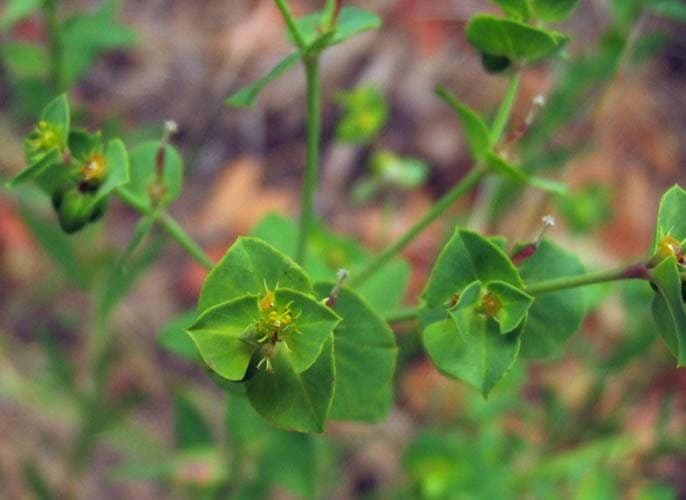
Unknown authorUnknown author / Public domain, via Wikimedia Commons
Euphorbia terracina: complete guide
Euphorbia terracina
¿Quieres ver Euphorbia terracina: complete guide en tu jardín?
1 minuto, sin tarjeta de crédito
Overview
Euphorbia terracina, commonly known as Geraldton carnation spurge, is a striking plant from the Euphorbiaceae family. This Mediterranean ornamental is valued for its structural beauty and ability to thrive in dry conditions. Native to Macaronesia and the Mediterranean region, it meets the demands of modern sustainable gardens.
Appearance and bloom
Euphorbia terracina distinguishes itself through yellow-green bracts that emerge in spring. The plant forms elegant, densely-branched structures with typical Euphorbia characteristics. Blooming extends from February through April, offering early seasonal interest. The distinctive, sharp silhouettes of the plant provide visual contrasts in garden designs.
Ideal location
This plant thrives optimally in full sun to partial shade. Ensure at least 6 hours of direct sunlight daily for best growth and flowering. Euphorbia terracina is highly flexible regarding location and performs excellently in open, exposed positions where many other plants would struggle.
Soil
Well-draining soil is essential for Euphorbia terracina. This plant tolerates sandy, stony soils better than clay-heavy ones. Add sand or perlite to heavy soils to improve drainage. A pH from neutral to slightly acidic is ideal. Prefers poor to moderate nutrients; excessive feeding promotes foliage at the expense of blooms.
Watering
Once established, Euphorbia terracina is extremely drought-tolerant. Water regularly during the first growing season. Once established, restrict water to dry periods. Overwatering is the most common cause of death. In winter, water very sparingly. In Mediterranean climates, rainwater usually suffices.
Diseño gratis
¿Quieres ver Euphorbia terracina: complete guide en tu jardín? Crea un diseño gratis ahora.
Pruning
Minimal pruning is needed for healthy specimens. Remove dead or damaged stems in spring. Older plants can be cut back hard to encourage compact growth. Always wear gloves when pruning - the sap can irritate skin. After pruning, let wounds dry before watering.
Maintenance calendar
FEBRUARY-MARCH: Preparation for growth, damage inspection. APRIL-MAY: Peak growth and blooming, minimal maintenance. JUNE-AUGUST: Summer drought management, no feeding needed. SEPTEMBER-OCTOBER: Recovery period, gradually reduce watering. NOVEMBER-JANUARY: Rest, no maintenance required.
Winter hardiness
Euphorbia terracina is moderately hardy, suitable for USDA zones 8-11. In colder regions, protection is needed or container cultivation recommended. Mulch heavily in late autumn. In the UK, suitable for southern, sheltered gardens or coastal areas. Avoid frost pockets and areas with standing winter moisture.
Companion plants
Euphorbia terracina combines well with other drought-tolerant plants: Lavender, Rosemary, Coreopsis and Santolina create beautiful color and texture compositions. Use as a structural plant alongside soft, low-growing groundcovers. Perfect choice for contemporary, low-maintenance gardens.
Closing
Euphorbia terracina is a versatile, low-maintenance choice for gardeners in warmer zones. With minimal care, this plant offers seasonal blooming and architectural beauty. For more plant suggestions, visit gardenworld.app/en for personalized garden designs.
Gardenworld.app helps you design sustainable, beautiful gardens with AI-guided recommendations.
¿Quieres ver Euphorbia terracina: complete guide en tu jardín? Crea un diseño gratis ahora.
Sube una foto, elige un estilo y obtén un diseño fotorrealista con lista de plantas en menos de un minuto.
Más de 10.000 jardines diseñados
Sin tarjeta de crédito


Plantas similares
Woolly mercury: complete guide
Mercurialis tomentosa
All about Mercurialis tomentosa, the woolly mercury from southwestern Europe: site, soil, watering, care and garden design tips.
Shurur: complete guide
Euphorbia fruticosa
Everything about Shurur: cultivation in dry climates, xeriscaping, care and tips for drought-resistant gardens in warm climates
Glary spurge: complete guide
Euphorbia glareosa
Everything about glary spurge: cultivation, maintenance, frost hardiness and use in Mediterranean and mountain-inspired gardens