
Hectonichus / CC BY-SA 3.0, via Wikimedia Commons
Euphorbia nicaeensis: complete guide
Euphorbia nicaeensis
¿Quieres ver Euphorbia nicaeensis: complete guide en tu jardín?
1 minuto, sin tarjeta de crédito
Overview
Euphorbia nicaeensis, commonly called Nice Spurge or Pannonia Spurge, is a herbaceous shrub from the Euphorbiaceae family native to southern Europe, North Africa and the Mediterranean region. This resilient, low-maintenance plant is ideal for dry and warm gardens.
Appearance and Bloom
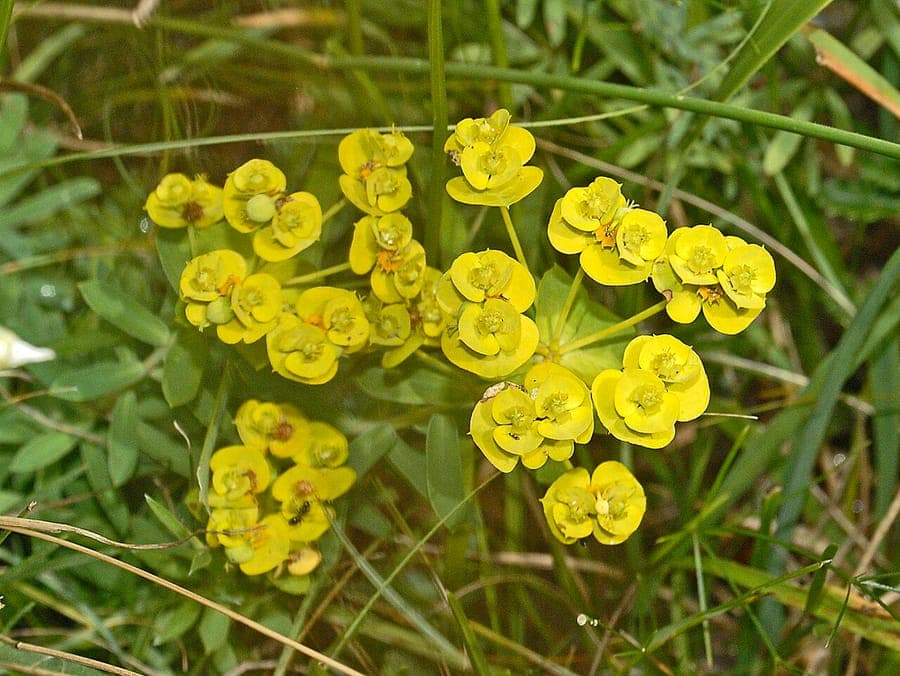
Euphorbia nicaeensis grows 30-50 cm tall, forming a compact shrub with grayish-green, ribbon-like leaves. The plant blooms from May to July with small yellow flowers clustered in cyathias at stem tips. Small seed capsules form after blooming. Euphorbia sap contains toxic substances.
Ideal Location
Place this Euphorbia in a warm, sunny spot receiving at least 6-8 hours of direct sunlight daily. The plant is extremely drought-tolerant and thrives in full sun. Perfect for rocky slopes, pergolas and dry perennial borders. Provide shelter from strong winds.
Soil
Euphorbia nicaeensis thrives on poor, well-draining soil. Use coarse sand, gravel or stony garden soil. The plant tolerates calcareous soils well. In containers, use minimal nutrient-rich, well-draining soil mix. Moderately fertile is sufficient.
Diseño gratis
¿Quieres ver Euphorbia nicaeensis: complete guide en tu jardín? Crea un diseño gratis ahora.
Watering
Despite its warm native climate, the plant needs some water. Summer: water moderately, once every 2-3 weeks. Ensure soil dries between waterings. Winter: water very minimally or not at all. Remove excess water rather than provide frequent watering.
Pruning
Prune back to about 50 cm height in mid-March. This promotes compact, dense growth. Remove dead branches and stems after winter. Wear gloves when pruning; sap can irritate skin.
Maintenance Calendar
Spring: Pruning and shaping, check for diseases. Summer: Light watering if very dry, regular monitoring. Autumn: No operations needed. Winter: Minimal watering, protect from wet feet.
Winter Hardiness
Euphorbia nicaeensis is hardy to about -15 degrees Celsius. In severe winters, wind protection helps. In very cold regions with harsh winters, container cultivation with indoor protection is better.
Companion Plants
Combine with other Mediterranean plants: Lavandula, Cistus, Helianthemum, Artemisia and Thymus. Also good with Sedum, grasses like Stipa and other drought-tolerant perennials. Forms beautiful groups in larger quantities.
Closing
Euphorbia nicaeensis is ideal for warm, dry gardens. With minimal care, you'll enjoy beautiful flowers for years. For more garden tips, visit gardenworld.app/en.
Available at quality plant retailers.
¿Quieres ver Euphorbia nicaeensis: complete guide en tu jardín? Crea un diseño gratis ahora.
Sube una foto, elige un estilo y obtén un diseño fotorrealista con lista de plantas en menos de un minuto.
Más de 10.000 jardines diseñados
Sin tarjeta de crédito


Plantas similares
Woolly mercury: complete guide
Mercurialis tomentosa
All about Mercurialis tomentosa, the woolly mercury from southwestern Europe: site, soil, watering, care and garden design tips.
Shurur: complete guide
Euphorbia fruticosa
Everything about Shurur: cultivation in dry climates, xeriscaping, care and tips for drought-resistant gardens in warm climates
Glary spurge: complete guide
Euphorbia glareosa
Everything about glary spurge: cultivation, maintenance, frost hardiness and use in Mediterranean and mountain-inspired gardens