
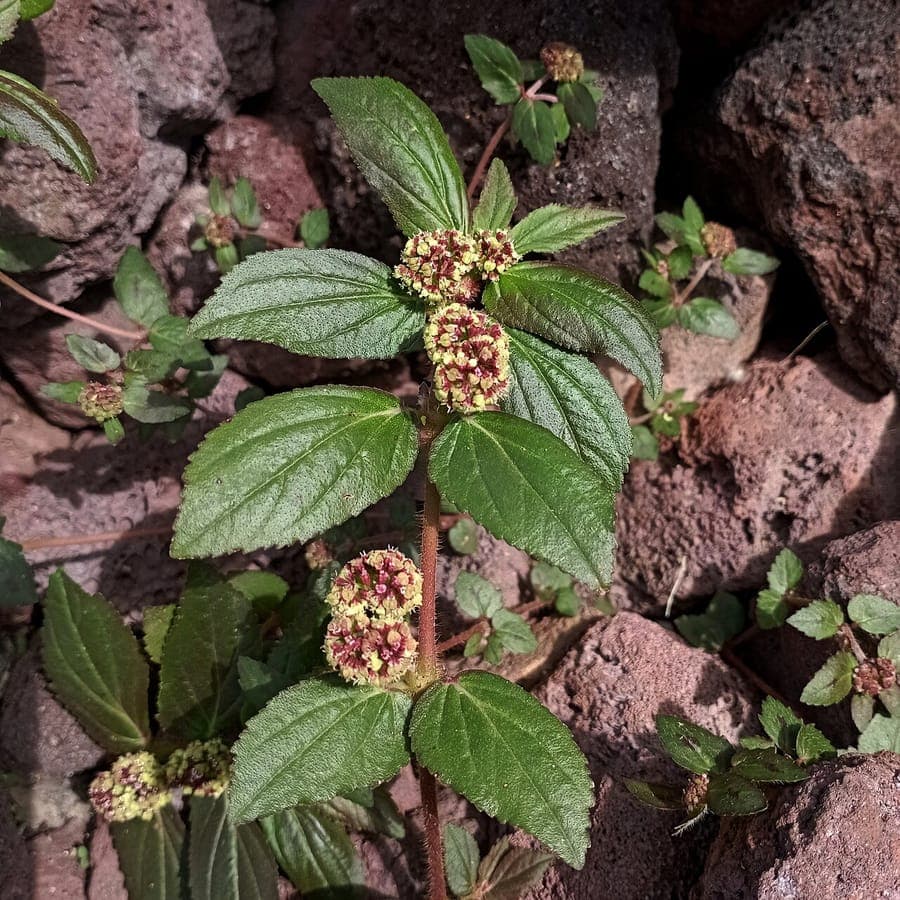
Juan Carlos Fonseca Mata / CC BY-SA 4.0, via Wikimedia Commons
Asthma plant: complete guide
Euphorbia hirta
¿Quieres ver Asthma plant: complete guide en tu jardín?
1 minuto, sin tarjeta de crédito
Overview
Euphorbia hirta, commonly known as asthma plant or pillpod sandmat, is a fascinating annual plant native to tropical and subtropical America. This humble yet powerful herb has been used for centuries in traditional medicine, particularly for respiratory conditions. The botanical name "hirta" refers to the characteristic hairy or hirsute stems that distinguish this plant from related species.
While technically a weed in some regions, it's an interesting choice for gardeners cultivating medicinal plants or simply seeking an easy-care annual. The plant grows compactly and demands minimal maintenance, making it perfect for beginners and busy gardeners who want functional plants alongside ornamentals.
Appearance & Bloom
The asthma plant is a low-spreading annual typically reaching 30-60 cm in height. The characteristic hairy stems give the plant a soft, almost woolly appearance that's visually interesting. Small, ovate leaves are dark green, arranged oppositely along the stems.
Flowers are extremely small and inconspicuous, greenish to reddish, hidden among the foliage. The true interest lies in the tiny, brown seed pods that mature as the growing season progresses. These pods have a distinctive "pillbox" shape, hence the alternative common name pillpod sandmat.
The entire plant emits a pleasant, lightly aromatic scent when touched, suggesting its medicinal properties. Harvest leaves throughout summer for traditional preparations and herbal teas.
Ideal Location
The asthma plant thrives in full sun to partial shade, performing best with at least 4-6 hours of direct sunlight daily. In very hot climates, some afternoon shade can be beneficial, preventing heat stress during peak summer hours.
Plant in open, well-ventilated areas for optimal growth. As an indoor plant, position near a sunny window. The plant is reasonably flexible about location as long as it receives adequate light and water.
Soil
This plant is undemanding regarding soil type and grows across diverse soil conditions. It performs best in well-draining, lightly fertile soil with organic matter incorporated. A basic potting soil mixture works perfectly for container cultivation.
The plant tolerates even poor, sandy soils, making it an ideal choice for difficult-to-amend garden areas. No special soil preparation is necessary; simply plant directly into prepared garden beds or containers.
Diseño gratis
¿Quieres ver Asthma plant: complete guide en tu jardín? Crea un diseño gratis ahora.
Watering
The asthma plant is fairly drought-tolerant although it prefers consistent moisture. Water when soil feels slightly dry, especially during the growing season. Weekly watering suffices under average conditions; more frequently in hot, dry climates.
Keep soil evenly moist but never waterlogged. This plant tolerates moist conditions better than many relatives but still dislikes constant wetness. In winter, when growth slows, reduce watering proportionally to cooler temperatures and lower light.
Pruning
Pruning is not essential for this plant, though it can help maintain a more compact form. Pinch back young plant shoots in early growth periods to encourage branching. Remove dead or infected foliage as needed to maintain plant health.
If you intend to harvest seed pods, allow them to fully ripen and brown before collection. Self-seeding occurs readily in suitable climates, with volunteer seedlings appearing the following season.
Maintenance Calendar
Spring: Sow seeds after the last frost date, water regularly as growth begins. Summer: Water consistently, harvest leaves for medicinal use, enjoy the plant's vitality. Fall: Reduce watering as season cools, collect seed pods for next year. Winter: For annuals this marks season's end; save seed for next spring.
Winter Hardiness
The asthma plant is not winter hardy in temperate climates. It's an annual herb killed by frost. Resow annually after the last frost date. In warm, frost-free climates, it may self-sow year after year once established, seeding itself for successive seasons.
Companion Plants
The asthma plant grows well in herbal gardens with other annual medicinal plants like basil, chamomile, and calendula. In full borders combine with other small annual flowers for color and interest. The low growth habit makes it excellent for front borders and container gardens.
Conclusion
The asthma plant is a fascinating addition to any garden, especially for those interested in traditional medicine and herbal remedies. With minimal care, good drainage, and consistent water, this plant thrives. Visit gardenworld.app/en to explore more medicinal plant ideas and create your own wellness-oriented garden space!
¿Quieres ver Asthma plant: complete guide en tu jardín? Crea un diseño gratis ahora.
Sube una foto, elige un estilo y obtén un diseño fotorrealista con lista de plantas en menos de un minuto.
Más de 10.000 jardines diseñados
Sin tarjeta de crédito


Plantas similares
Woolly mercury: complete guide
Mercurialis tomentosa
All about Mercurialis tomentosa, the woolly mercury from southwestern Europe: site, soil, watering, care and garden design tips.
Shurur: complete guide
Euphorbia fruticosa
Everything about Shurur: cultivation in dry climates, xeriscaping, care and tips for drought-resistant gardens in warm climates
Glary spurge: complete guide
Euphorbia glareosa
Everything about glary spurge: cultivation, maintenance, frost hardiness and use in Mediterranean and mountain-inspired gardens