
Alvesgaspar / CC BY-SA 3.0, via Wikimedia Commons
Eryngium amethystinum: complete guide
Eryngium amethystinum
¿Quieres ver Eryngium amethystinum: complete guide en tu jardín?
1 minuto, sin tarjeta de crédito
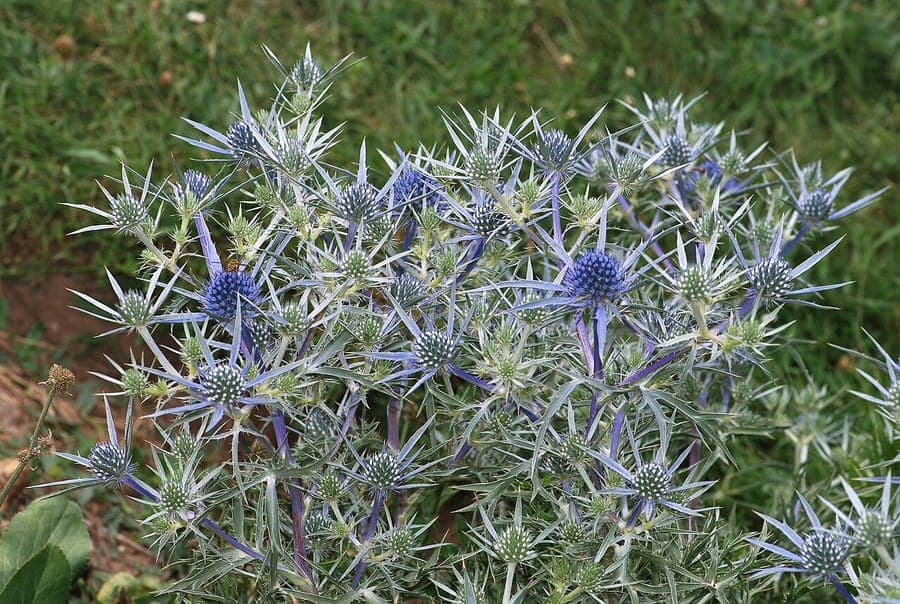
Eryngium amethystinum, also known as Amethyst eryngo or Italian eryngo, is a remarkable perennial plant native to the Mediterranean region. This plant is renowned for its fascinating purple to violet-blue flowers that possess a unique metallic sheen.
Overview
The Amethyst thistle is a medium-sized plant that grows to approximately 50-80 centimeters in height. The plant is native to northern Sicily, Italy, and the western Balkan Peninsula. It is a summer-blooming perennial that produces flowers in summer and early autumn. The plant attracts many bees and other pollinators, making it highly valuable for wildlife-friendly gardens.
Appearance and Bloom
The plant forms a compact, swamp-like structure with slender, gray-green leaves that feel somewhat rough. The flowers are the true attraction: they are small, star-shaped, and grow in impressive, spherical flower heads. The color ranges from deep purple to amethyst-violet, with a unique metallic sheen that shifts in light. The stems are often also purple-tinged. Blooming lasts from June to September.
Ideal Location
Place your Amethyst thistle in a full-sun location. The plant needs at least 6 hours of direct sunlight daily. This plant performs poorly in shade. A south-facing aspect is ideal. The plant tolerates windy locations well and will grow stronger in areas with more air movement.
Soil
Eryngium amethystinum thrives in well-draining, relatively poor soil. The plant prefers non-fertile soil; rich soil can lead to excessive leaf growth with fewer flowers. Sandy and gravelly soils are ideal. Ensure good drainage; wet winter conditions can be harmful.
Watering
The Amethyst thistle is drought-tolerant once established. Water regularly during the first growing season to encourage root establishment. After that, you can water much less; the plant can tolerate long dry periods. In very wet winters, you can provide protective drainage around the plant.
Pruning
Minimal pruning is required. Remove spent flowers for a longer blooming period. After blooming, dead stems can be removed in autumn. The plant can also be cut to the ground in spring to stimulate new growth.
Maintenance Calendar
Spring: The plant emerges from dormancy. Minimal intervention needed. Optional feeding, but not necessary. Summer: Water only during extreme drought. Deadhead spent flowers. Enjoy the blooms. Autumn: Plant begins to decline. Remove dead material before it snows. Winter: Minimal watering. Protect against wet and ice.
Winter Hardiness
Eryngium amethystinum is fairly winter-hardy and can tolerate temperatures down to approximately -15 degrees Celsius. The plant easily survives cold winters. However, ensure good drainage in winter; the plant does not tolerate wet feet. In areas with heavy snow, you can carefully remove snow from the plant.
Companion Plants
The Amethyst thistle grows well with other drought-tolerant Mediterranean plants such as lavender, sage, catmint, and Russian sage. This combination creates a dry, bee-friendly plant bed. You can also group it with other wildflowers and grasses for a natural look.
Closing
Eryngium amethystinum is a unique, low-maintenance plant that attracts much visitor interest. With its striking purple flowers and drought-tolerant nature, it is an ideal choice for gardeners wanting to grow something special. Most garden centres stock seeds or plants of Eryngium varieties. With minimal care and full sunlight, this plant will reward you for years with beautiful blooms. Discover more unique plants on gardenworld.app.
¿Quieres ver Eryngium amethystinum: complete guide en tu jardín? Crea un diseño gratis ahora.
Sube una foto, elige un estilo y obtén un diseño fotorrealista con lista de plantas en menos de un minuto.
Más de 10.000 jardines diseñados
Sin tarjeta de crédito


Plantas similares
Whorled carrot: complete guide
Daucus involucratus
Daucus involucratus is a Mediterranean umbellifer with white flower heads framed by lacy bracts. Growing this gravel garden gem.
Daucus muricatus: complete guide
Daucus muricatus
Daucus muricatus, the spiny wild carrot, grows wild on Mediterranean coasts. Discover sowing, June-July bloom, and wildflower meadow use.
Daucus pumilus: complete guide
Daucus pumilus
Daucus pumilus is a dwarf wild carrot relative with white lacy umbels, thriving on dunes and coastal rock in poor, fast-draining soil.