
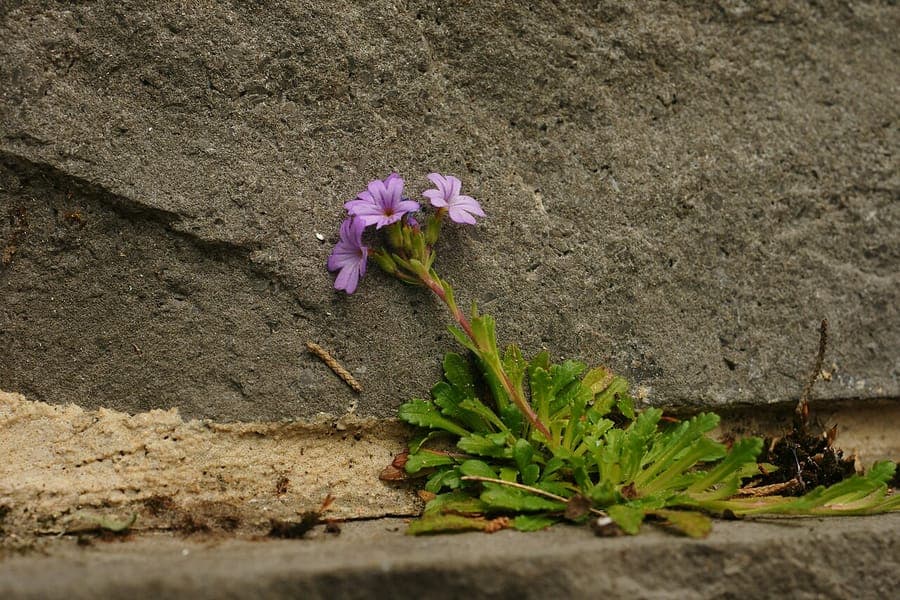
Frederick Depuydt / CC BY-SA 4.0, via Wikimedia Commons
Alpine Balsam: complete guide
Erinus alpinus
¿Quieres ver Alpine Balsam: complete guide en tu jardín?
1 minuto, sin tarjeta de crédito
Overview
Alpine balsam (Erinus alpinus), also called fairy foxglove, is a delightful dwarf plant native to alpine regions of southern Europe. This charming perennial is perfect for rock gardens, alpine troughs, scree beds, and rocky walls. With its fine, silvery-green foliage and prolific purple-pink flowers, it adds magical detail to Alpine gardens. The plant is fully hardy and excels in sites with excellent drainage and bright conditions.
Appearance and Bloom
Alpine balsam reaches just 10-15 cm tall with a compact, rosette-forming growth habit. The finely-cut, grey-green leaves form dense mats at the base. From May through October, the plant produces abundant tiny purple-pink flowers held in dense spikes above the foliage. White and rose forms exist. The plant produces abundant seeds after flowering, encouraging self-seeding in favorable sites. Extremely long-flowering, with continuous blooms throughout summer and into autumn.
Ideal Location
Alpine balsam performs best in sunny to lightly shaded positions with at least 4-6 hours of direct sunlight. In warm climates, light afternoon shade is welcome. Good air circulation prevents moisture-related problems. Ideal positions include rock walls, between stones, or at the margins of alpine beds where drainage is naturally excellent. Avoid damp, low-lying spots with poor drainage.
Soil Requirements
Excellent drainage is absolutely critical for alpine balsam. The plant thrives in lean, minimally fertile soil. Stony, gritty compost is ideal. A mixture of sand and gravel with minimal organic matter is perfect. Adding gravel beneath the plant improves root-zone drainage. Poor soil is actually preferable to rich, heavy soils. Neutral to slightly acid pH is preferred. Water must drain freely.
Watering
Once established, alpine balsam needs very little water. Drought is tolerated well due to its compact, shallow root system. Water only during extended dry periods. Container-grown plants require more frequent watering. Excess moisture is far more dangerous than drought. In winter, minimal or no watering is needed. The plant tolerates dry feet much better than wet conditions.
Diseño gratis
¿Quieres ver Alpine Balsam: complete guide en tu jardín? Crea un diseño gratis ahora.
Pruning
Pruning is minimal because the plant grows naturally compact and neat. After flowering, remove spent flower spikes for tidiness, though self-seeding can be valuable. Old, worn foliage can carefully be removed. Heavy cutting is unnecessary. Maintenance involves removing damaged or dead material. Encourage natural self-seeding by leaving a few seed heads.
Maintenance Calendar
March-April: Check for winter damage, improve drainage if needed. May-June: Flowering begins, moderate moisture regime. July-September: Peak blooming period, water only in drought. October-November: Seed setting, reduce water. December-February: Dormant period, keep very dry. Each spring: Remove dead material. Every 2-3 years: Collect seed for propagation and sharing.
Winter Hardiness
Alpine balsam is fully hardy to USDA zone 5 (-25 to -30 degrees Celsius). In very wet winters, protection may be desirable, especially on heavy soils. Excellent drainage provides the best winter protection. A layer of sharp sand around the crown helps shed moisture. In areas with very wet winters, a thick mulch of sharp sand is preferable to peat-based materials.
Companion Plants
Alpine balsam grows well with other alpine plants. Combine with Saxifraga, Primula alpina, or other mountain flowers. It also creates beautiful textural contrast with silver-foliaged plants like Senecio. In rock gardens, position alongside Sedum, Sempervivum, and other succulents. Plant in small groups of 3-5 for greater impact in the garden.
Closing
Alpine balsam is a precious jewel for rock gardens and alpine beds. With good drainage and minimal care, it flowers for years. Follow this guide for success with this alpine charmer. Visit gardenworld.app for more alpine plant ideas and mountain garden designs. Enjoy the delicate flowers of alpine balsam - gardenworld.app makes alpine gardening accessible!
¿Quieres ver Alpine Balsam: complete guide en tu jardín? Crea un diseño gratis ahora.
Sube una foto, elige un estilo y obtén un diseño fotorrealista con lista de plantas en menos de un minuto.
Sin tarjeta de crédito


Plantas similares
White Beardtongue: complete guide
Penstemon albidus
Discover white beardtongue (Penstemon albidus) - elegant perennial with white to cream flowers. Drought-resistant, perfect for prairie and dry gardens.
Longsepal Beardtongue: complete guide
Penstemon calycosus
Discover longsepal beardtongue (Penstemon calycosus) - beautiful perennial with lilac-blue flowers. For partial shade and moist soil. Ideal for naturalized.
Penstemon cusickii: complete guide
Penstemon cusickii
Discover Cusick's beardtongue, a compact alpine flowering plant with violet-pink blooms. Perfect choice for rock gardens and water-wise landscaping.