
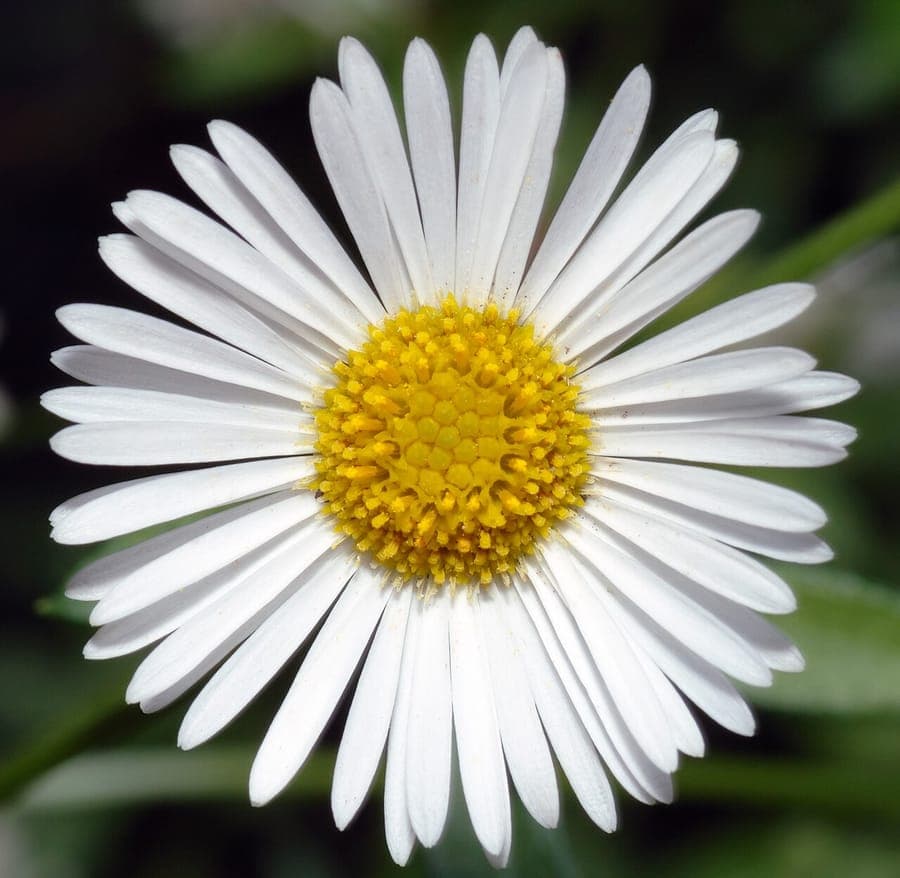
André Karwath aka Aka / CC BY-SA 2.5, via Wikimedia Commons
Erigeron karvinskianus: complete guide
Erigeron karvinskianus
¿Quieres ver Erigeron karvinskianus: complete guide en tu jardín?
1 minuto, sin tarjeta de crédito
Overview
Erigeron karvinskianus, commonly known as Karwinsky's Fleabane or Mexican Daisy, is a delightful alpine flower native from Mexico to Venezuela. This Asteraceae family member grows naturally on rocks, walls and steep slopes. The plant is valuable for alpine gardens, rock gardens and as a wall softening ornamental.
Appearance and bloom
This plant forms low, spreading mats to approximately 30 centimeters height. Foliage is fine and ferny, green colored. Flowers are small asterlike blooms, pink to white with yellow centers, appearing in profusion. Blooming extends from spring through fall, providing extended ornamental period.
Ideal location
Erigeron karvinskianus thrives in full sun to light shade. At least 6 hours direct sunlight is ideal. The plant is highly adaptive, growing even in challenging locations where many others fail. Ideal for vertical gardens and stone walls.
Soil requirements
This plant prefers excellent draining soil. Sandy, rocky substrates are ideal. Use gritty potting mix when container growing. Add perlite and gravel to heavy soils. This plant tolerates extreme drainage and thrives even in very poor, stony soils.
Watering
Once established, Erigeron karvinskianus is extremely drought-tolerant. Minimal watering is needed. Regular watering during first season establishes strong roots. In dry periods, water every two to three weeks. Avoid overwatering at all costs - rot risk is significant.
Diseño gratis
¿Quieres ver Erigeron karvinskianus: complete guide en tu jardín? Crea un diseño gratis ahora.
Pruning and maintenance
Pruning encourages bushy growth. Trim back after flowering for neater form. Deadhead spent flowers to stimulate continued blooming. Light spring pruning keeps plant compact and tidy.
Maintenance calendar
Spring: Light pruning, remove winter-damaged foliage. Summer: Minimal watering. Fall: Allow growth. Winter: No maintenance.
Winter hardiness
Erigeron karvinskianus is reasonably winter-hardy. In temperate climates it may overwinter, though not guaranteed in severe winters. In colder regions protect or grow in containers. In warmer regions it is fully hardy.
Companion plants
Combine with other alpine and rock garden plants. Sedums, Saxifrages, and dwarf Dianthus create beautiful combinations. Grass-like plants such as Festuca offer interesting texture contrast.
Closing thoughts
Erigeron karvinskianus is a jewel for rock gardens and difficult spaces. With delicate flowers and tolerance of extreme conditions, this is an ideal specimen for specialty gardens. Available through specialty plant nurseries, gardenworld.app features complete rock garden designs incorporating this plant. Discover more on gardenworld.app for your next rock garden project.
For more information and customized rock garden designs, visit gardenworld.app. We help you create spectacular rock gardens featuring Erigeron karvinskianus.
¿Quieres ver Erigeron karvinskianus: complete guide en tu jardín? Crea un diseño gratis ahora.
Sube una foto, elige un estilo y obtén un diseño fotorrealista con lista de plantas en menos de un minuto.
Más de 10.000 jardines diseñados
Sin tarjeta de crédito


Plantas similares
Calendula stellata: complete guide
Calendula stellata
Complete guide to Calendula stellata, the star-flowered marigold from Sicily: location, soil, watering and companion planting tips.
Korean chrysanthemum: complete guide
Chrysanthemum x rubellum
Chrysanthemum x rubellum is a hardy autumn perennial with single pink to copper flowers from August to November. Care and combinations.
Helianthus divaricatus: complete guide
Helianthus divaricatus
Helianthus divaricatus is a North American woodland sunflower with yellow summer blooms, ideal for naturalistic borders and shady edges.