
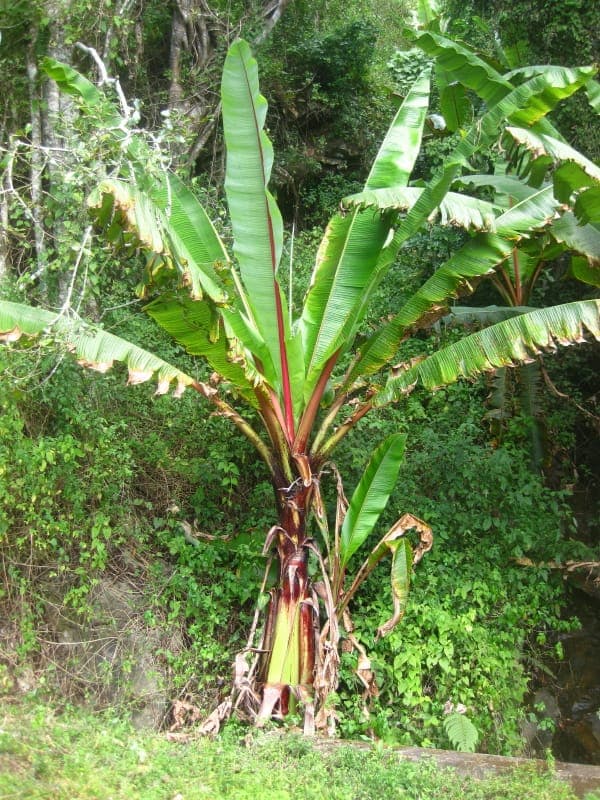
Ton Rulkens from Mozambique / CC BY-SA 2.0, via Wikimedia Commons
Abyssinian banana: complete guide
Ensete ventricosum
¿Quieres ver Abyssinian banana: complete guide en tu jardín?
1 minuto, sin tarjeta de crédito
Overview
Ensete ventricosum, commonly known as the Abyssinian banana or false banana, is a striking plant native to the Ethiopian highlands. Despite its common name, this species is not closely related to the common banana, though its appearance shares some similarities. This large plant belongs to the Musaceae family and is valued for both its ornamental quality and nutritional value.
The plant can live for many years, often remaining in the same location and becoming a permanent garden fixture. In its natural Ethiopian habitat, the plant can reach heights exceeding 10 meters, though cultivated Western specimens typically remain smaller.
Appearance and bloom
The Abyssinian banana is an impressive plant with large, glossy green leaves that grow extraordinarily long. Individual leaves easily exceed 2 meters in length. The leaves emerge from a compact base at ground level, creating the plant's characteristic form.
The flowering of the Abyssinian banana is spectacular. A large inflorescence of reddish-brown to purple color emerges from the plant's center, hanging downward in dramatic fashion. This flower spike can be remarkably long, containing numerous small yellow florets. Following flowering, fruits may develop, though these are inedible.
Ideal location
The Abyssinian banana grows best in locations receiving abundant sunlight. Although the plant can tolerate partial shade, it performs optimally with 6 to 8 hours of direct sun daily. In warm, sunny gardens, the plant grows faster and reaches larger sizes.
The plant is highly decorative and serves as an impressive focal point in any garden. The large leaves create an exotic atmosphere even in temperate climates. The plant can be grown in open ground or in large containers.
Soil
Ensete ventricosum thrives in fertile, well-draining soil with pH between 6.0 and 7.5. The plant requires regular compost and organic matter for optimal growth. Rich soil with abundant organic material ensures faster growth and larger plants.
The plant must have well-drained soil as waterlogging causes root rot. Ensure soil never becomes waterlogged, particularly in winter. Adding sand or perlite improves drainage.
Diseño gratis
¿Quieres ver Abyssinian banana: complete guide en tu jardín? Crea un diseño gratis ahora.
Watering
The Abyssinian banana requires substantial water, especially during the growing season. During warm months, the plant needs regular watering, almost daily during very hot periods. Keep the soil consistently moist but not waterlogged.
During winter, watering can be reduced, especially in cooler climates. For potted plants, check soil moisture regularly. Drip irrigation suits larger specimens well.
Pruning
The Abyssinian banana requires minimal pruning. Remove dead or damaged leaves regularly. As leaves yellow or brown, they can be carefully removed from the plant.
The flower spike can be removed after flowering to direct energy toward leaf growth. This remains optional, as many gardeners retain flower spikes for decoration.
Maintenance calendar
March-April: Begin growing season. Increase watering and provide regular feeding.
May-June: Ensure consistent warm weather and ample sunshine. Plant grows rapidly.
July-August: Continue regular watering and feeding. Monitor for pests.
September-October: Reduce watering as weather cools. Feeding frequency can decrease.
November-February: Winter rest period. Minimize watering and feeding. Protect from frost if necessary.
Winter hardiness
The Abyssinian banana is not winter hardy and cannot tolerate temperatures below 15 degrees Celsius. In temperate climates, the plant must be protected or brought indoors during winter.
In frost-prone regions, grow the plant in containers for winter protection indoors. In very warm, frost-free climates, it can remain outdoors year-round.
Companion plants
The Abyssinian banana grows well alongside other large, broad-leaved plants such as Clivia, Strelitzia, or other exotic species. The plant's large leaves can overshadow other plants, so position it away from shade-sensitive specimens.
In gardens, the plant serves as a privacy screen or background for smaller plants. Its exotic appearance suits tropical gardens or boldly designed spaces perfectly.
Conclusion
Ensete ventricosum, the Abyssinian banana, is a spectacular plant capable of thriving in the same location for many years. With well-drained, fertile soil, regular watering, and abundant sunlight, you will cultivate an impressive, large specimen.
Whether you wish to add an exotic touch to your garden or simply seek a beautiful foliage plant, the Abyssinian banana is a perfect choice. Discover gardenworld.app for additional tips on cultivating exotic plants and inspiration for designing your own exotic garden.
¿Quieres ver Abyssinian banana: complete guide en tu jardín? Crea un diseño gratis ahora.
Sube una foto, elige un estilo y obtén un diseño fotorrealista con lista de plantas en menos de un minuto.
Más de 10.000 jardines diseñados
Sin tarjeta de crédito


Plantas similares
Banana plant: complete guide to growing Musa x paradisiaca outdoors
Musa x paradisiaca
How to grow the banana plant outdoors in a temperate garden: best location, feeding, winter storage, and tropical companion plants.
Musa balbisiana: complete guide
Musa balbisiana
Discover the Balbis banana with large leaves and tropical character. Produces plantains. A true statement plant for your front garden or conservatory.
Scarlet banana: complete guide
Musa coccinea
Discover Musa coccinea, a striking ornamental with brilliant red flower bracts. Cultivation tips, care requirements, and growing zones for this Asian tropical beauty.