
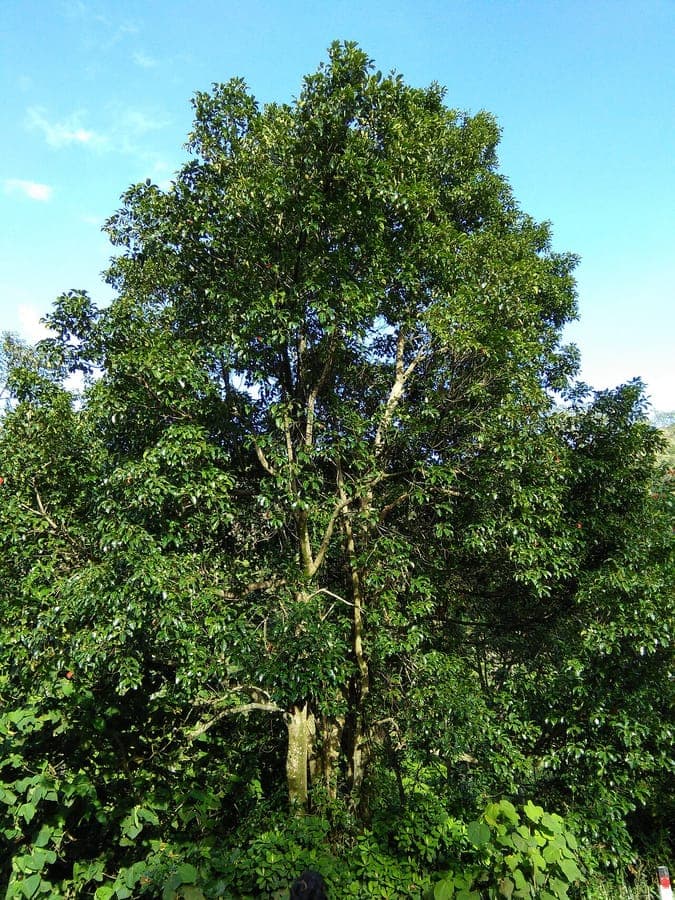
T. R. Shankar Raman / CC BY-SA 3.0, via Wikimedia Commons
Ceylon-olive: complete guide
Elaeocarpus serratus
¿Quieres ver Ceylon-olive: complete guide en tu jardín?
1 minuto, sin tarjeta de crédito
Overview
The Ceylon-olive (Elaeocarpus serratus) is a beautiful ornamental tree native to tropical South Asia, particularly Sri Lanka, India, Assam and Bangladesh. This tree is renowned for its graceful appearance and makes an elegant statement in any subtropical garden.
Elaeocarpus serratus belongs to the family Elaeocarpaceae and is one of the more unique tree species. This makes it particularly interesting for gardeners seeking something special and uncommon.
In the front yard, this tree can be a wonderful focal point. It also works well with other tropical plants and creates a harmonious whole in the garden.
Appearance and bloom
Elaeocarpus serratus has fine, elongated leaves. The leaves are characteristically serrated at the edges, giving the tree an interesting texture. The leaf surfaces are soft and elegant.
The flowers of the Ceylon-olive are small and subtle. They appear in clusters and have a delicate appearance. After flowering, characteristic fruits form that are spherical.
The flowering period typically occurs during the warmer months of the year. The fruits remain on the tree for a long time.
Ideal location
The Ceylon-olive grows best in a location with plenty of sunlight. At least six to eight hours of direct sunlight per day is ideal. In areas with very high temperatures, some afternoon shade can be beneficial.
This tree thrives best in warm climates where temperatures are stable. It is sensitive to frost. In colder climates, it must be cultivated in a greenhouse or conservatory.
Wind can be harmful to young trees. A sheltered spot against walls or hedges can help protect the tree from strong winds.
Soil
Elaeocarpus serratus grows best in well-draining, fertile soil. The soil must not be waterlogged, as the tree is susceptible to root rot. A slightly acidic to neutral pH level is ideal.
Add organic material to the soil to improve moisture retention. Compost or other organic fertilizers provide a healthy soil structure. Drainage is important.
Diseño gratis
¿Quieres ver Ceylon-olive: complete guide en tu jardín? Crea un diseño gratis ahora.
Watering
Requires regular water, especially during warm periods and dry seasons. The soil should remain evenly moist. Regularly check that the soil does not dry out.
During rainy seasons, you can reduce watering. Young trees need more water than established specimens. Mulching around the base helps keep soil moisture more stable.
Do not water in cold months if necessary to prevent rot.
Pruning
The Ceylon-olive grows naturally into an attractive shape. Light pruning can be done to remove dead branches.
Remove branches that cross or grow in unwanted directions. This helps create a healthy, open canopy. Pruning is best done during the growing season.
Avoid heavy pruning. Light formative pruning is sufficient to maintain an attractive shape.
Maintenance calendar
Spring: Check for frost damage and remove any damaged branches. Begin regular watering as temperatures rise.
Summer: Water regularly and apply organic fertilizer. Check for pests and diseases.
Autumn: Reduce watering as temperatures drop.
Winter: Minimal care needed. Protect from frost if necessary.
Winter hardiness
The Ceylon-olive is not winter hardy in temperate climates. This tree can only be grown outdoors in warm zones.
In cold areas, this tree must be overwintered in a greenhouse or conservatory. Keep the plant dry in winter.
Companion plants
In tropical gardens, other warm-loving plants work well with Ceylon-olive. Hibiscus, bougainvillea and frangipani combine well with this tree. Palms work as a backdrop.
Closing
The Ceylon-olive is a wonderful ornamental tree that gives any tropical garden a distinguished character. With proper care and location, it grows beautifully. Find it at specialized nurseries or garden centers. Visit gardenworld.app for more tips on tropical garden design. Browse gardenworld.app for plant recommendations and design inspiration.
¿Quieres ver Ceylon-olive: complete guide en tu jardín? Crea un diseño gratis ahora.
Sube una foto, elige un estilo y obtén un diseño fotorrealista con lista de plantas en menos de un minuto.
Sin tarjeta de crédito


Plantas similares
Acer pycnanthum: complete guide
Acer pycnanthum
Acer pycnanthum, the Japanese swamp maple, is a fast-growing tree with early red flowers and brilliant autumn color, ideal for damp garden settings.
Freeman maple: complete guide
Acer × freemanii
Everything about the Freeman maple (Acer x freemanii): a fast-growing shade tree with spectacular autumn colour for large gardens.
Silver vine: complete guide
Actinidia polygama
Discover silver vine (Actinidia polygama): a hardy climbing plant with silvery foliage, loved by gardeners and cats alike.