
Wikimedia Commons / Public domain, via Wikimedia Commons
Elaeagnus commutata: complete guide
Elaeagnus commutata
¿Quieres ver Elaeagnus commutata: complete guide en tu jardín?
1 minuto, sin tarjeta de crédito
Overview
Elaeagnus commutata, commonly known as silverberry or American silverberry, is a robust North American shrub celebrated for its silvery-coated leaves and highly fragrant flowers. This plant is hardy to very low temperatures and grows from Yukon to Utah in its native habitat. It is an excellent choice for windy locations and maintenance-free gardens.
Appearance & Bloom
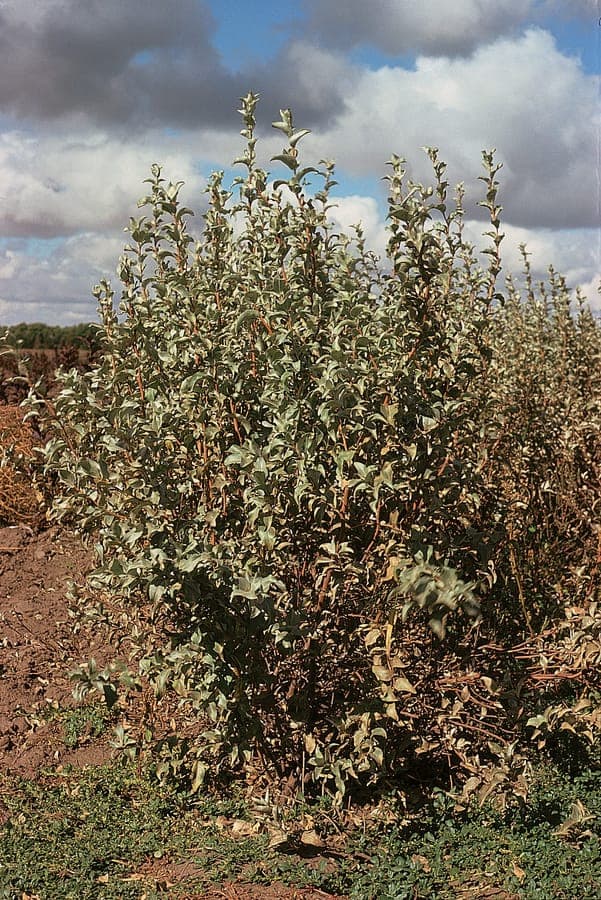
This fast-growing shrub reaches 1-3 meters tall and wide. The leaves are narrow and silver-coated on both sides, giving a striking silvery appearance. In June and July, highly fragrant cream-colored flowers appear on the inside. Flowers are followed by silvery-gray berries that ripen in August. These berries are edible and attract many birds.
Ideal Location
Elaeagnus commutata thrives in full sun to light shade. The plant is extremely wind-resistant and tolerates heavy wind better than many other shrubs. Plant it where you can provide some shelter from extreme wind. The plant also helps prevent wind erosion with its deep root system.
Soil
This plant is not fussy and grows well in almost any soil type, from acidic to alkaline (pH 5-7.9). Lean soils are tolerated better than heavily fertilized ones. The plant tolerates salt in the soil, making it suitable for coastal areas. Well-draining soil is important, though the plant tolerates moister conditions than some herbs.
Watering
Once established, this plant is extremely drought-tolerant. Provide moderate watering in the first growing season until roots are established. After that, water is barely needed except during extreme drought. This plant grows in the dry Great Plains and is therefore highly adapted to low water use.
Diseño gratis
¿Quieres ver Elaeagnus commutata: complete guide en tu jardín? Crea un diseño gratis ahora.
Pruning
Pruning is optional for Elaeagnus commutata. The plant forms a natural shape that needs no pruning. You can apply light pruning directly after flowering to support shape, or remove overlapping branches. Heavy pruning is not needed and may limit blooming.
Maintenance Calendar
April: Inspect new growth, remove winter damage. June-July: Enjoy fragrant flowers, very attractive. August: Harvest berries if desired, watch for bird use. September-October: No maintenance required. November-March: Winter dormancy, no maintenance.
Winter Hardiness
Elaeagnus commutata is one of the hardiest shrubs, hardy to at least -35 degrees Celsius. This makes it perfect for all Dutch regions, including the north. The plant needs no winter protection under normal conditions. It can even survive in very demanding nursery conditions.
Companion Plants
Combine Elaeagnus commutata with other hardy shrubs like Cornus (dogwood), Salix (willow) and other bird-attracting plants. The silver foliage looks beautiful with dark green conifers as a backdrop. Plant it together with other fragrant shrubs for maximum sensory enjoyment.
Closing
Elaeagnus commutata is a reliable, low-maintenance shrub for any garden, especially in windy or challenging conditions. With its rare combination of beauty, fragrance and bird appeal, it deserves a place in every low-maintenance garden.
Learn more on gardenworld.app/en about North American plants and gardenworld.app/en/plant-blog.
¿Quieres ver Elaeagnus commutata: complete guide en tu jardín? Crea un diseño gratis ahora.
Sube una foto, elige un estilo y obtén un diseño fotorrealista con lista de plantas en menos de un minuto.
Más de 10.000 jardines diseñados
Sin tarjeta de crédito


Plantas similares
Canadian buffalo-berry: complete guide
Shepherdia canadensis
Complete guide to Canadian buffalo-berry: location, soil, watering, pruning, and companion plants for this resilient wildlife shrub.
Broadleaf Oleaster: complete guide
Elaeagnus macrophylla Thunb.
Discover the Broadleaf Oleaster, a hardy ornamental shrub with silvery leaves and robust growth. Perfect screening plant for front gardens.
Espino amarillo (Hippophae rhamnoides): guía completa
Hippophae rhamnoides
Espino amarillo con bayas anaranjadas nutritivas. Arbusto resistente para estabilización de dunas y cultivo permacultural.