
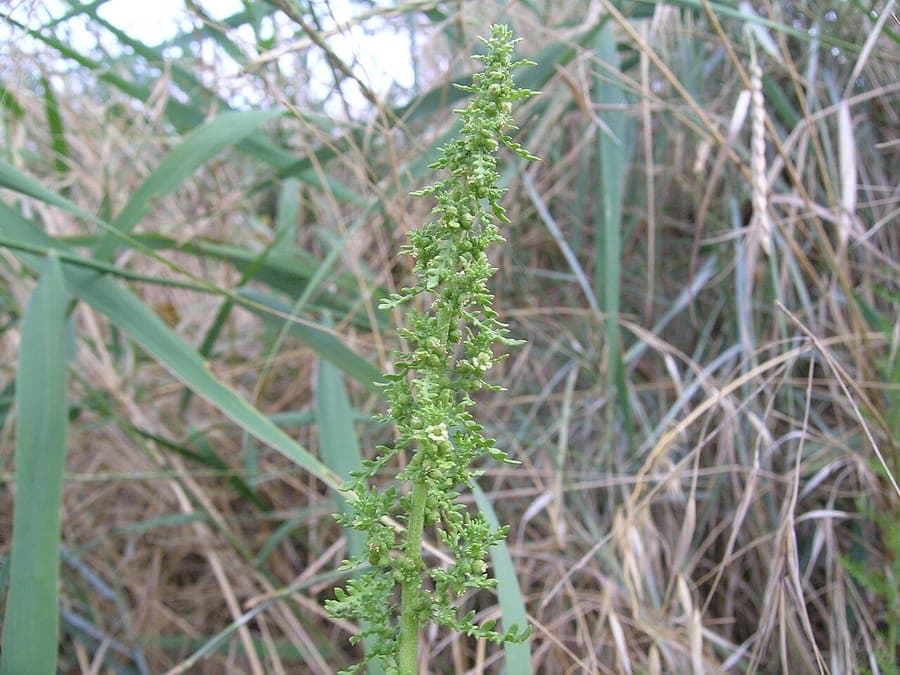
Solanum / CC BY-SA 3.0, via Wikimedia Commons
Dysphania multifida: complete guide
Dysphania multifida
¿Quieres ver Dysphania multifida: complete guide en tu jardín?
1 minuto, sin tarjeta de crédito
Overview
Dysphania multifida, often known as cut-leaf goosefoot, paico, or scented goosefoot, is a fascinating South American plant from the amaranth family (Amaranthaceae). This plant is renowned for its aromatic, finely divided leaves that are strongly aromatic. The plant is native to Peru, Chile, Bolivia, and Uruguay, where it is used in traditional medicine and cuisine. With its unique appearance and strong fragrance, this plant makes an interesting addition to herb gardens or as an ornamental specimen.
The plant typically grows as a compact, bushy shrub and can be grown both as a garden plant or in containers.
Appearance and Bloom
Dysphania multifida is an herbaceous plant, usually between 30-100 cm tall, with a compact, bushy appearance. The leaves are the most striking feature, with a very fine, multiply divided structure (from which the name "multifida" derives). The leaves are intensely aromatic, especially when touched or crushed.
The flowers are small and inconspicuous, usually greenish-yellow in color, and appear in dense, terminal flower clusters. These flowers attract bees and other pollinators. After pollination, small seed capsules form.
Ideal Location
Dysphania multifida grows best in full sun to light partial shade. Provide a location with at least 6 hours of direct sunlight daily for optimal growth and fragrance production. The plant also thrives in moderately shady locations.
Ensure protection from strong winds, as the plant can break with hard wind gusts. A warm, sunny position promotes the best growth and most intense fragrance.
Soil
Dysphania multifida grows in practically any soil type but performs best in well-draining soil. The plant can tolerate drought, although this slows growth. A pH value between 5.5 and 7.5 is suitable.
For container cultivation, use standard potting soil. The plant is not very demanding about soil fertility, although fertile soil promotes faster growth.
Diseño gratis
¿Quieres ver Dysphania multifida: complete guide en tu jardín? Crea un diseño gratis ahora.
Watering
Water when the top inch of soil feels dry. The plant can tolerate some drought, especially once established. Outdoor plants require less frequent watering than container plants.
During the growing season, water regularly but avoid waterlogging. In winter, as the plant declines, reduce watering significantly.
Pruning
Pruning encourages bushy growth and helps maintain a compact form. Pinch the tips of young plants to encourage branching. Pruning can be done throughout the growing season.
Remove dead flower spikes to encourage further blooming. Periodic pruning helps prevent the plant from becoming too large or leggy.
Maintenance Calendar
In spring (March-May), active growth begins. Provide water and feeding. In summer (June-August), keep the plant moist and prune as needed. In fall (September-October), gradually reduce water as temperature declines. In winter (November-February), provide minimal water.
Winter Hardiness
Dysphania multifida is only marginally winter hardy in temperate climates. The plant will die at temperatures below -2 to 0 degrees Celsius. In warm areas, it can overwinter outdoors. In many regions, it is treated as an annual or replanted each year.
For winter survival in cold regions, bring the plant indoors to a warm, sunny window.
Companion Plants
Dysphania multifida grows well with other herb plants and exotic specimen plants. Combine with basil, oregano, and other aromatic herbs. In exotic gardens, combine with other South American plants.
The plant makes a beautiful contrast with differently colored foliage plants in mixed borders.
Final Thoughts
Dysphania multifida is a unique and fascinating addition to herb gardens or exotic plant collections. With its aromatic leaves and attractive appearance, this plant will provide interest for many years. Experiment with this plant in your garden or containers and discover its many uses.
Find information about exotic herbs and plants on gardenworld.app. For local suppliers, consult specialty herb gardens. Enjoy your Dysphania multifida!
¿Quieres ver Dysphania multifida: complete guide en tu jardín? Crea un diseño gratis ahora.
Sube una foto, elige un estilo y obtén un diseño fotorrealista con lista de plantas en menos de un minuto.
Más de 10.000 jardines diseñados
Sin tarjeta de crédito


Plantas similares
Bassia laniflora (woolly summer-cypress): complete guide
Bassia laniflora
Full guide to Bassia laniflora: origin, appearance, ideal location, soil, watering and care for this drought-tolerant annual.
Suaeda spicata: complete guide
Suaeda spicata
Everything about Suaeda spicata (spiked seablite): a rare salt-tolerant coastal succulent from the western Mediterranean and Macaronesia.
California amaranth: complete guide
Amaranthus californicus
Full guide to California amaranth (Amaranthus californicus): growing tips, ideal location, soil needs, watering, and garden design ideas.