
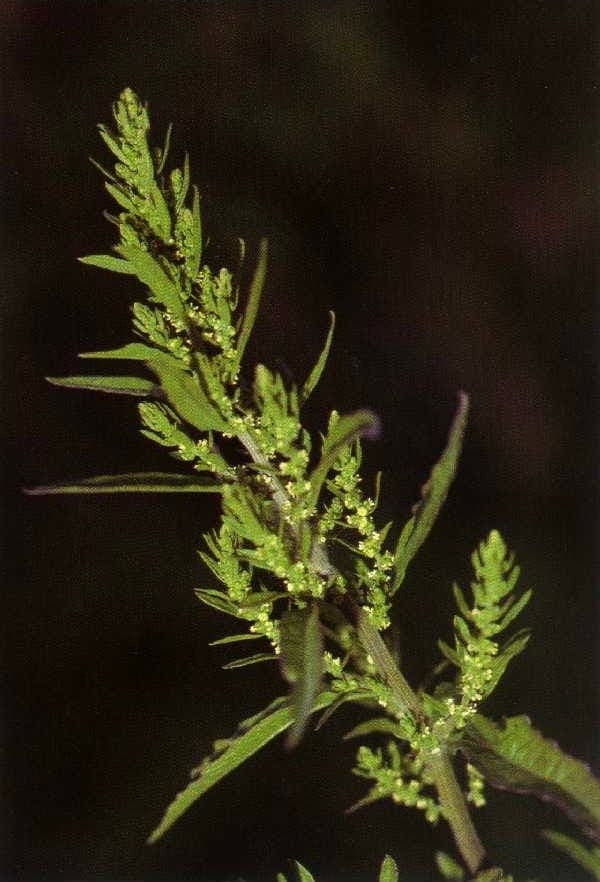
Robert H. Mohlenbrock / Public domain, via Wikimedia Commons
Jerusalem-tea: complete guide
Dysphania ambrosioides
¿Quieres ver Jerusalem-tea: complete guide en tu jardín?
1 minuto, sin tarjeta de crédito
Overview
Dysphania ambrosioides, better known as Jerusalem-tea or Ambrosia herb, is a practical and aromatic plant from the Amaranthaceae family. This annual to short-lived perennial originates from tropical America and has been valued for centuries for medicinal and culinary purposes. The plant is renowned for its strong, characteristic aromatic scent reminiscent of chamomile and mint combined. On gardenworld.app, create kitchen garden designs incorporating practical herbs like Jerusalem-tea.
Jerusalem-tea grows quickly and easily, even in suboptimal conditions. The plant requires minimal care and fits into many garden situations, from containers to open ground.
Appearance & Bloom Cycle
Dysphania ambrosioides forms upright, often reddish-tinted stems reaching 60 to 100 cm tall. Leaves are alternately arranged, lance-shaped to linear, with soft texture and distinct venation. They are bright green with characteristic wrinkled surface. The entire plant emits a strong aromatic scent, especially when touched.
Flowers are small and inconspicuous, greenish, arranged in dense, terminal or axillary panicles. The blooming period extends from summer through autumn. After blooming, characteristic seed pods follow.
Ideal Location
Jerusalem-tea thrives in full sun, though it grows acceptably in partial shade. The plant tolerates heat well and grows faster in warm summers. It's not particular about wind; in fact, good air circulation helps spread the aromatic scent. Early season planting allows rapid growth.
Soil Requirements
The plant is extremely tolerant and grows in virtually all soils. However, it requires well-draining ground as it dislikes waterlogging. Poor soils are acceptable; actually, it performs better in less rich soils without excessive foliage. For containers, use standard potting soil with added grit for drainage.
Diseño gratis
¿Quieres ver Jerusalem-tea: complete guide en tu jardín? Crea un diseño gratis ahora.
Watering
Once established, Jerusalem-tea tolerates drought reasonably well. Regular water stimulates growth, but avoid excess. In many regions, rainwater suffices. Overwatering can lead to disease and soft foliage. Allow soil to dry somewhat between waterings for optimal growth.
Maintenance & Harvesting
The plant requires minimal maintenance. For culinary use, regularly pinch young leaves for fresh growth and use in tea, seasonings, or remedies. The plant doesn't appreciate heavy cutting, so gentle snipping works better. For medicinal value, harvest entire herb after flowering and dry it.
Maintenance Calendar
May-June: Planting and rapid growth. July-August: Peak growth and leaf harvesting. September-October: Flowering and seed production. November: Season end; seed collection.
Winter Hardiness
Dysphania ambrosioides is not winter-hardy and dies at first frost. In warm climates (USDA 10+) it may overwinter. Normally treated as annual in temperate climates. The plant self-seeds if seed drops to ground.
Culinary & Medicinal Uses
Leaves can be brewed as tea: hot water over fresh or dried leaves, steep several minutes. Traditionally used for digestion and parasite management. Careful with dosage; strong doses may feel flu-like. Avoid during pregnancy.
Related Plants
Similar aromatic herbs include Teucrium, Satureja, and other mint family members. Good garden companions are other medicinal herbs like lemon balm and oregano.
Conclusion
Jerusalem-tea is a wonderful plant for gardeners interested in medicinal and culinary herbs. With its strong aroma, easy cultivation, and practical applications, it's a valuable kitchen garden addition. On gardenworld.app, create kitchen garden designs incorporating this useful plant. With minimal care and maximum benefits, Jerusalem-tea is accessible to everyone.
¿Quieres ver Jerusalem-tea: complete guide en tu jardín? Crea un diseño gratis ahora.
Sube una foto, elige un estilo y obtén un diseño fotorrealista con lista de plantas en menos de un minuto.
Más de 10.000 jardines diseñados
Sin tarjeta de crédito


Plantas similares
Bassia laniflora (woolly summer-cypress): complete guide
Bassia laniflora
Full guide to Bassia laniflora: origin, appearance, ideal location, soil, watering and care for this drought-tolerant annual.
Suaeda spicata: complete guide
Suaeda spicata
Everything about Suaeda spicata (spiked seablite): a rare salt-tolerant coastal succulent from the western Mediterranean and Macaronesia.
California amaranth: complete guide
Amaranthus californicus
Full guide to California amaranth (Amaranthus californicus): growing tips, ideal location, soil needs, watering, and garden design ideas.