
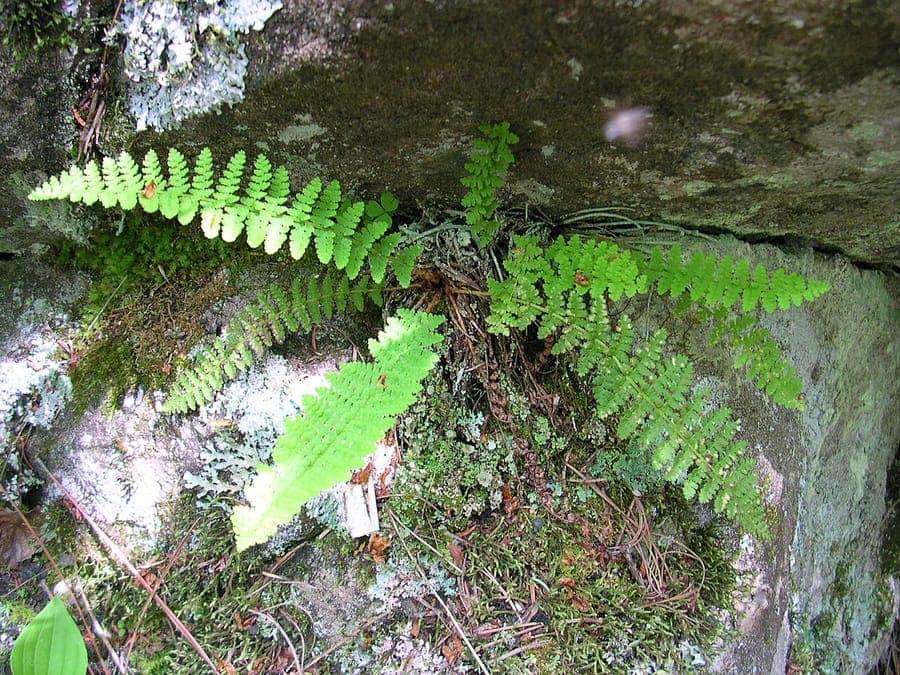
Superior National Forest / CC BY 2.0, via Wikimedia Commons
Dryopteris fragrans: complete guide
Dryopteris fragrans
¿Quieres ver Dryopteris fragrans: complete guide en tu jardín?
1 minuto, sin tarjeta de crédito
Overview
Dryopteris fragrans, commonly known as Fragrant Wood Fern or Fragrant Fern, is an exceptionally elegant fern that owes its unique charm to its delightful sweet aromatic scent. This botanical gem originates from subarctic regions spanning northern Finland, the Russian Far East, Korea, and northern Japan, where it thrives in cool mountain forests with consistently moist conditions. The fern stands apart through its compact growth habit, its reliably verdant foliage, and its largely evergreen nature, which provides visual interest even during winter months. For gardeners seeking to introduce something uncommon to their shaded nooks, Dryopteris fragrans merits serious consideration. Through gardenworld.app, we can help you design a woodland-inspired garden perfectly suited to this delicate fern's growth patterns, incorporating complementary shade-loving plants such as ivy and moss.
While less renowned than larger family members, this fern absolutely deserves wider recognition. Its preference for partial to full shade makes it invaluable for sites where many other plants struggle. Furthermore, it grows slowly and remains naturally compact, fitting readily into diverse garden settings without becoming dominant. The sweet fragrance released when fronds are brushed against creates an unexpected sensory dimension in the garden.
Appearance and Frond Cycle
Dryopteris fragrans develops elegant, slightly hairy fronds ranging from 15 to 30 centimeters in length, emerging in a fan-like arrangement from the plant's center. The frond venation displays a distinctly two-times subdivided structure, with sporangia (spore cases) positioned beneath the leaflets. These sporangia begin greenish before transitioning to deep chocolate brown at maturity. The stipes (frond stems) are clothed in dark brown to nearly black scale-like hairs, which contribute considerably to both the plant's characteristic appearance and its aromatic qualities.
What truly distinguishes this fern is the intense aroma it releases, particularly when fronds are touched or during warm weather. This fragrance derives from essential oils present in the foliage and is frequently described as sweet and woody, occasionally with hints of cypress. Historically in herbalist traditions, this aroma held therapeutic significance, though we recommend consulting experts before exploring such applications. The plant maintains its fronds throughout winter in temperate climates, extending the season of aesthetic appeal.
Ideal Location
Dryopteris fragrans performs optimally in partial to full shade environments. This fern cannot tolerate direct sun and will scorch and wilt under intense UV exposure. In its natural habitat, it grows beneath larger forest canopies, thus preferring filtered light. If you have a shaded spot reasonably protected from strong winds, Dryopteris fragrans will flourish there. Ideal locations include beneath tree canopies, along shaded border edges, or within woodland gardens where diffuse light dominates. For residences throughout the Netherlands, Belgium, or Germany, you can position this fern in semi-shaded corners with complete confidence.
The fern performs poorly against severe drought stress, so avoid locations subject to drier soil conditions. This means steering clear of near building foundations or beneath roof overhangs where rain is blocked.
Soil Requirements
Dryopteris fragrans is particular regarding soil composition. It thrives best in humus-rich, well-drained soil with a pH between 5.5 and 7.0. The fern prefers acidic to neutral conditions, so if your garden features alkaline soil (pH above 7.5), you can adjust this by incorporating peat moss or leafmould. Ensure soil moisture is adequate without waterlogging; the ideal soil contains abundant organic material such as moss, leaf litter, and decaying wood, mimicking natural forest habitats.
When planting, incorporate at least 5 to 8 centimeters of leafmould or processed compost into the top soil layer. This not only provides nutrients but also enhances water retention. During the growing season (April through October), apply light organic fertilizer monthly, though Dryopteris fragrans is not particularly a heavy feeder. Well-composted animal manure can also prove beneficial, but avoid synthetic fertilizers that accumulate in these sensitive ecosystems.
Diseño gratis
¿Quieres ver Dryopteris fragrans: complete guide en tu jardín? Crea un diseño gratis ahora.
Watering and Humidity
Dryopteris fragrans requires consistently moist soil conditions, especially during the active growing season from April through October. The target is maintaining soil moisture levels around 60-70% of soil capacity. In practice, this means watering your fern thoroughly weekly, unless recent rain has occurred. During very dry periods, increase frequency to twice weekly. Moisture must never become excessive; waterlogging causes root rot. The mantra here is "moist, never soggy."
This fern also appreciates elevated air humidity, particularly during warmer seasons or in arid climates. Achieve this by regular misting or by grouping plants together to create a mini-ecosystem of humidity. In very dry indoor environments, placing the plant on a gravel tray with water (ensuring roots don't sit directly in water) helps significantly.
During winter, reduce watering frequency, though the soil should never dry out completely even during dormancy.
Pruning and Shaping
Dryopteris fragrans requires minimal maintenance pruning. Because it grows slowly, it naturally maintains a neat, compact form. Your only task is removing dead fronds as they begin to decline. This can occur year-round, though most die-off naturally happens in late winter and early spring. Simply cut yellowed or damaged fronds with a sharp knife, flush with the stalk base.
Also gently remove a small amount of older outer fronds each spring to encourage air circulation and prevent disease. This also helps prevent pest problems. However, aggressive pruning is unnecessary; this delicate fern appreciates careful attention with respect for its natural form.
If dust or debris accumulates on fronds, gently rinse with distilled water. This helps the plant "breathe" and ensures optimal photosynthesis.
Maintenance Calendar
January to March: Winter maintenance. Remove dead fronds and replace the top soil layer with fresh compost. Check for overwintering pest problems.
April to May: Growing season begins. Start regular watering once new growth emerges. Apply organic fertilizer. Ensure no direct sun exposure.
June to August: Peak growing season. Maintain consistently moist soil. Mist regularly during dry conditions. Monitor for powdery mildew and other fungal issues in particularly moist locations.
September to October: Prepare plant for winter dormancy. Gradually reduce feeding. Inspect and clean the plant of dust and dead fronds.
November to December: Dormant period. Minimal water and fertilizer needed. Protect against hard frost in very cold climates by applying mulch around the plant base.
Winter Hardiness
Dryopteris fragrans is winter hardy to zones 4-5 (European hardiness: at least -20 to -25 degrees Celsius). This means it can overwinter outdoors throughout most of the Netherlands, Belgium, and Germany. During severe winter periods, fronds may become somewhat tattered, but root systems will survive and new growth emerges in spring. In climates with extremely harsh winters (northern Scandinavia, Russia), provide additional protection through a minimum 10-centimeter mulch layer around the plant base and possible jute wrapping during the most severe cold.
While this fern prefers cool to cold mountain environments, it also grows well in more temperate locations provided it receives adequate shade and moisture.
Companion Planting
Dryopteris fragrans pairs wonderfully with other shade-loving plants. Group it with other ferns such as Polystichum setiferum (Soft Shield Fern) or Asplenium scolopendrium (Hart's-tongue Fern). Hostas, cyclamens, and small groundcovers create interesting textural combinations. In woodland gardens, it works well alongside Hedera helix (English Ivy), Ruscus, and dwarf rhododendrons sharing identical shade preferences and moisture requirements. This companion arrangement creates a natural forest atmosphere while supporting bird habitat.
Avoid positioning beside highly dominant plants or species consuming excessive water, as this disrupts the delicate balance Dryopteris fragrans requires. Smaller deciduous shrubs and dwarf conifers work well, especially when sharing identical care requirements.
Closing Thoughts
Dryopteris fragrans is a true showcase for gardeners daring enough to explore something refined and uncommon. Though less celebrated than larger family members, it brings unique beauty, fragrance, and ornamental value to shaded gardens. With attention to its moisture preferences, partial-to-full-shade requirements, and humus-rich soil needs, you'll cultivate a fern thriving for decades. For optimal placement and integration into your garden design, contacting gardenworld.app ensures personalized expertise. Visit your garden's shadiest corners to experience this fern's subtle magic!
¿Quieres ver Dryopteris fragrans: complete guide en tu jardín? Crea un diseño gratis ahora.
Sube una foto, elige un estilo y obtén un diseño fotorrealista con lista de plantas en menos de un minuto.
Más de 10.000 jardines diseñados
Sin tarjeta de crédito


Plantas similares
Dryopteris sieboldii: complete guide
Dryopteris sieboldii
Discover Dryopteris sieboldii (Siebold's Buckler Fern), an elegant evergreen fern from Asia. Growing tips, care, and uses in shade gardens.
Dryopteris tyrrhena: complete guide
Dryopteris tyrrhena
Discover Dryopteris tyrrhena (Mediterranean Buckler-fern), a rare and exquisite fern species. Growing tips, care, and shade garden design.
Dryopteris villarii: complete guide
Dryopteris villarii
Dryopteris villarii, known as rigid buckler fern, is a shade-loving fern form from the Alps. Discover how to grow and maintain this elegant alpine fern in your garden.