
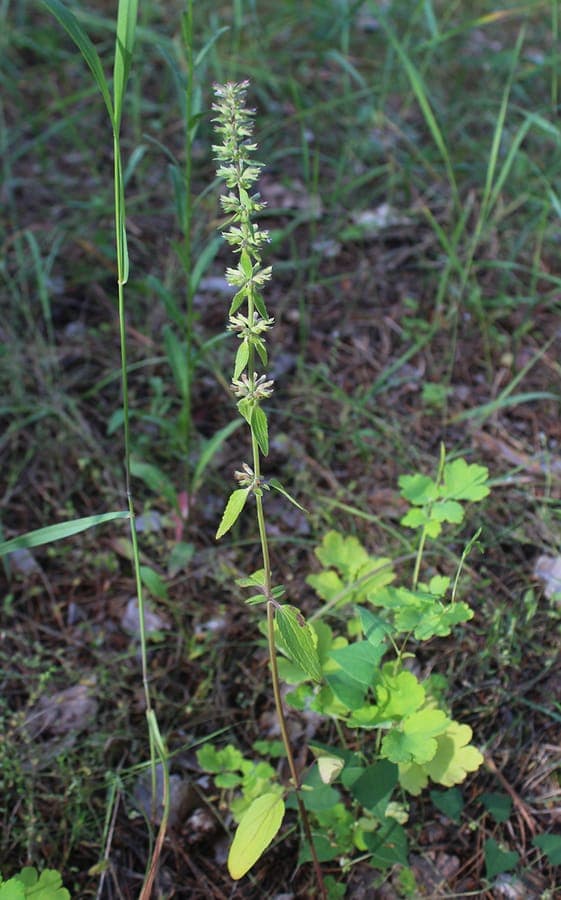
https://www.inaturalist.org/people/convallaria1128 / CC BY-SA 4.0, via Wikimedia Commons
Thymeleaf dragonhead: complete guide
Dracocephalum thymiflorum
¿Quieres ver Thymeleaf dragonhead: complete guide en tu jardín?
1 minuto, sin tarjeta de crédito
Overview
Thymeleaf dragonhead (Dracocephalum thymiflorum), a fascinating annual or short-lived perennial from the steppes of Russia to Iran, offers unique charm to any garden. This member of the Lamiaceae family grows naturally on dry, sunny slopes and reaches 30-50 centimetres in height. The plant stands out for its aromatic, densely clustered purple-pink flowers that appear to float atop slender stems. Thymeleaf dragonhead is a magnet for solitary bees and other pollinators, making it excellent for pollinator-friendly gardens. On gardenworld.app, you can design gardens incorporating this aromatic plant into biodiverse schemes or Mediterranean plantings.
Appearance and bloom
Thymeleaf dragonhead produces slender, upright stems bearing small, lance-shaped leaves remarkably similar to thyme - hence its name. The foliage is aromatic with aromatic essential oils throughout. From May to August, dense flower spikes crown the stem tips with tiny, two-lipped flowers in purple-pink shades. Each flower measures roughly one centimetre and displays a charming geometric pattern. Following pollination, the plant produces small seeds in capsules. The entire plant exudes elegant, delicate character that belies its robust, drought-tolerant nature.
Ideal location
Thymeleaf dragonhead demands full sun with at least six hours of direct sunlight daily. Part shade is unsuitable - in too much shade the plant etiolates and flowers sparsely. The plant thrives in warm, sheltered positions against walls and on south-facing slopes. In dry, sandy gardens, it feels at home. Also suitable for dry wildflower meadow designs. Avoid waterlogged situations - drainage is essential.
Soil requirements
Thymeleaf dragonhead is undemanding regarding soil but prefers well-draining, rather poor ground. In heavy clay, improve with sand and compost. The plant thrives on poor, dry sandy soil. For containers use standard compost amended with coarse sand. This plant performs best on nutrient-poor soil - excess fertilizer produces lush, non-flowering growth.
Diseño gratis
¿Quieres ver Thymeleaf dragonhead: complete guide en tu jardín? Crea un diseño gratis ahora.
Watering
Thymeleaf dragonhead is drought-tolerant once established and requires moderate water. During the growing season (May-August), water when the top 5 centimetres of soil feels dry. After blooming in September, reduce watering substantially. In containers, water only when compost becomes dry. The plant prefers somewhat dry to wet conditions.
Pruning
Thymeleaf dragonhead requires no pruning. Pinch off spent flowers to extend the flowering period. In autumn, remove any yellowed plant parts. As an annual, the plant typically dies back after setting seed in autumn.
Maintenance calendar
April-May: Sow seed indirectly (cold stratification helps germination). Seedlings grow quickly. Plant out after last frost.
June-July: Vigorous growth and early flowering. Minimal water, no fertilizer. Bees and pollinators arrive.
August-September: Peak flowering period. Remove spent flowers. Seed set begins.
October: Seed collection possible. Plant gradually declines in cool conditions.
Winter hardiness
Thymeleaf dragonhead is not winter hardy in temperate climates (USDA zones 5-6). The plant is an annual or short-lived perennial, dying back after seed set in autumn. In warmer climates, it may overwinter in mild years.
Companion plants
Thymeleaf dragonhead combines beautifully with other aromatic plants such as Thymus, Salvia, and Origanum. For pollinator mixes, incorporate Echinacea, Rudbeckia, and other summer bloomers. Pair with grey-foliaged plants like Artemisia and silvery Brachyglottis. The plant works well in wildflower meadow mixes with Malva, Lychnis, and other cottage garden plants.
Conclusion
Thymeleaf dragonhead is a fascinating, easy-to-grow plant for gardeners who love Asiatic herbs and pollinator plants. This species supports gardenworld.app's vision of biodiverse, pollinator-friendly gardens. Sow thymeleaf dragonhead seed this season and enjoy its compact, elegant flowers and the visitors they attract.
¿Quieres ver Thymeleaf dragonhead: complete guide en tu jardín? Crea un diseño gratis ahora.
Sube una foto, elige un estilo y obtén un diseño fotorrealista con lista de plantas en menos de un minuto.
Más de 10.000 jardines diseñados
Sin tarjeta de crédito


Plantas similares
[PENDING TRANSLATION] Breedbladige acanthus: complete gids
Acanthus mollis
[PENDING TRANSLATION] Leer alles over de zachte acanthus: ideale locatie, bodemeisen, snoeien, winterhardheid en combinaties. Perfect voor tuinen op gardenworld.app.
Sage: complete guide
Salvia officinalis
Everything you need to grow and care for Salvia officinalis: ideal spot, soil needs, pruning, and winter hardiness for gardens in temperate climates.
Tomillo común: guía completa
Thymus vulgaris
Thymus vulgaris es la hierba culinaria clásica con flores púrpuras y aroma intenso. Perfecta para cocina, jardines de hierbas y atractiva para polinizadores.