
Wikimedia Commons / CC BY 4.0, via Wikimedia Commons
Moldavian dragonhead: complete guide
Dracocephalum moldavica
¿Quieres ver Moldavian dragonhead: complete guide en tu jardín?
1 minuto, sin tarjeta de crédito
Overview
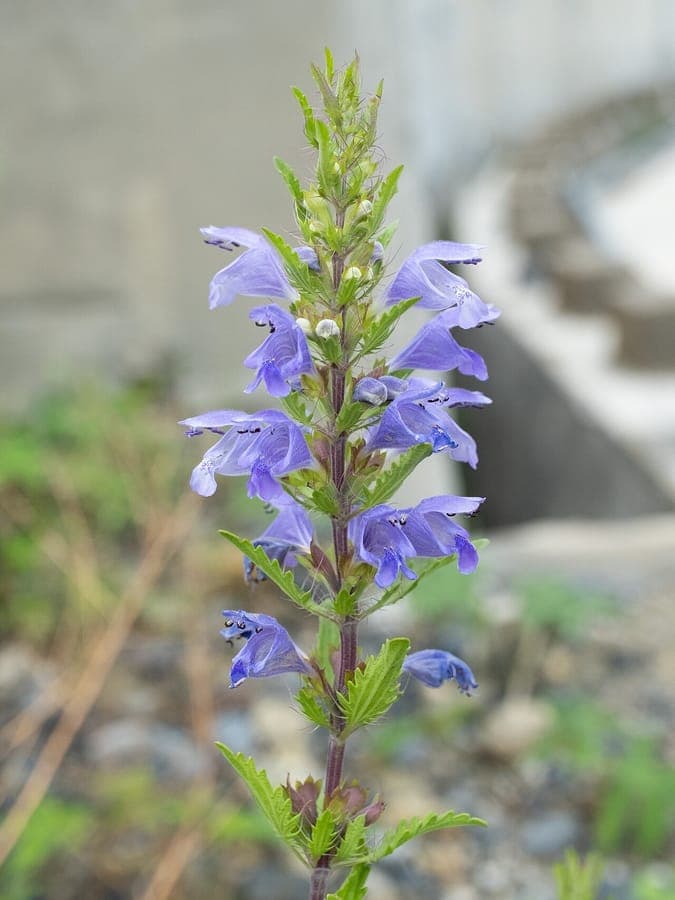
Dracocephalum moldavica, known as Moldavian dragonhead, is a charming annual plant from the Lamiaceae family (mint family). This fast-growing plant originates from Iranian mountains to the Russian Far East and is a favorite among gardeners seeking easy, rapid-blooming annuals. The plant is renowned for its beautiful blue to purple flowers and strong aromatic scent. On gardenworld.app, design summer gardens full of fast-growing annuals like this dragonhead.
Moldavian dragonhead grows quickly and blooms abundantly throughout summer months, making it excellent for gardeners seeking reliable, affordable flowering. It matures to completeness in mere weeks and demands minimal care.
Appearance & Bloom Cycle
Dracocephalum moldavica forms upright, four-sided stems reaching 30 to 60 cm tall. The plant features opposite, narrow, grey-green leaves with soft texture. The flowers are the true showstopper: bright blue to purple tubular blooms arranged in dense, terminal flower spikes. These characteristic dragonhead-like flower formations are distinctive to the genus.
The blooming period runs from June through September, with peak flowering in July and August. After blooming, small seed pods follow with winged seeds easily dispersed.
Ideal Location
Moldavian dragonhead thrives in full sun, though it grows acceptably in partial shade. The plant tolerates warm weather well and grows faster in warm summers. Windy locations are acceptable; good air circulation helps prevent mildew. Cold hardiness isn't needed for early sowing.
Soil Requirements
The plant is not fussy and grows in virtually all soils, from poor sand to rich clay. Well-draining earth prevents root rot during wet periods. The plant tolerates even dry soils reasonably well. Heavy clay soils benefit from amendment with sand and organic matter. Poor soils need no improvement; the plant thrives without extra feeding.
Diseño gratis
¿Quieres ver Moldavian dragonhead: complete guide en tu jardín? Crea un diseño gratis ahora.
Watering
Once seedlings emerge, plants grow fairly rapidly without heavy water. Regular watering stimulates faster growth and more blooms. During very dry periods, supplemental water helps, though drought stress usually causes minimal problems. Overwatering in humid climates or on clay soils risks root rot. Drip irrigation or basal watering prevents disease.
Maintenance & Deadheading
The plant tolerates cutting well and pinching can encourage branching. Regular deadheading of spent flowers stimulates continuous blooming. For self-seeding, leave some seed heads intact at season end. The plant grows quickly despite weed pressure, so intervention is rarely needed.
Maintenance Calendar
April-May: Sowing in place or pre-chilling. June: Rapid growth; first pinching for branching. July-September: Full bloom cycle; regular deadheading. October: Seed production; allow some seed heads to mature.
Winter Hardiness
Dracocephalum moldavica is not winter-hardy and dies at first frost. As an annual, this is normal and expected. In many gardens, it self-seeds through seeds overwintering in topsoil. For reliable self-seeding, allow some seed to ripen and drop.
Related Plants
Similar mint-like annuals include Salvia viridis (garden sage), Agastache (anise hyssop), and other Lamiaceae members. These group well in summer gardens. Companion plants for Moldavian dragonhead include sunflowers, zinnias, and other warm-season annuals.
Conclusion
Moldavian dragonhead offers rapid growth, beautiful blue flowers, and minimal care - exactly what many gardeners seek in summer color. Easy cultivation and predictable blooming make it reliable. On gardenworld.app, design summer gardens packed with annuals like this dragonhead combined with perennials for lasting interest. With just spring sowing, you'll enjoy its beautiful blue flowers all summer long.
¿Quieres ver Moldavian dragonhead: complete guide en tu jardín? Crea un diseño gratis ahora.
Sube una foto, elige un estilo y obtén un diseño fotorrealista con lista de plantas en menos de un minuto.
Más de 10.000 jardines diseñados
Sin tarjeta de crédito


Plantas similares
Apple mint (Mentha x villosa): complete guide
Mentha x villosa
Meet apple mint (Mentha x villosa): a fruity-scented kitchen herb with woolly leaves, perfect for tea and mojitos.
Salvia peyronii: complete guide
Salvia peyronii
Discover Salvia peyronii, a rare Lebanese mountain sage. Growing tips, hardiness, and companion planting for a Mediterranean gravel garden.
Bigleaf mint (Mentha x rotundifolia): complete guide
Mentha x rotundifolia
Discover bigleaf mint: cultivation, care tips, and garden uses. Learn how to grow this aromatic herb with soft, hairy leaves.