
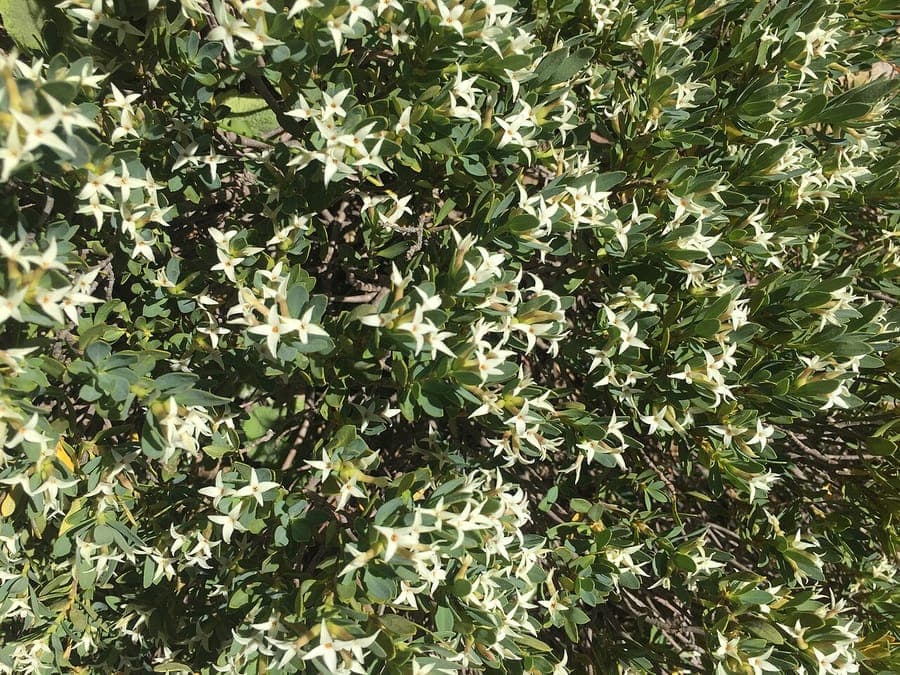
Elie plus / CC BY-SA 4.0, via Wikimedia Commons
Daphne oleoides: complete guide
Daphne oleoides
¿Quieres ver Daphne oleoides: complete guide en tu jardín?
1 minuto, sin tarjeta de crédito
Overview
Daphne oleoides, commonly known as Olive-like Daphne or Spurge-olive, is a compact flowering shrub native to Mediterranean regions. This member of the Thymelaeaceae family naturally grows in rocky, dry areas. The plant is renowned for its elegant foliage and small delicate, fragrant flowers.
Daphne oleoides is an ideal plant for warmer, drier climates and Mediterranean gardens. It is semi-persistent to evergreen, remaining attractive year-round.
Appearance & Bloom Cycle
Daphne oleoides is a subshrub to small shrub, typically 40-80 centimeters tall. The leaves are small, narrow-lance-shaped, firm and leathery, with a gray-green color. They are exceptionally elegant.
Flowers appear in small dense clusters and are typically white to pale pink. They are highly fragrant, especially in early morning. The bloom period extends from May through June. After flowering, red berries develop.
Ideal Location
Daphne oleoides thrives in full sun. The plant tolerates some shade but flowers and grows best in full light. It is a xeriscape-worthy plant that tolerates drought once established.
Position your Daphne oleoides in a warm, sheltered spot. It excels in Mediterranean gardens and scree beds. Ensure good air circulation.
Diseño gratis
¿Quieres ver Daphne oleoides: complete guide en tu jardín? Crea un diseño gratis ahora.
Soil Requirements
Well-draining, lightly fertile soil is ideal. The plant tolerates chalky, stony soil well. Ensure good drainage. pH can range from neutral to moderately acidic (5.5-7.0).
Incorporate organic matter sparingly. The plant originates from dry mountain regions.
Watering
Once established, Daphne oleoides is fairly drought-tolerant. During the first growing year and the growing season, regular watering is appreciated. Prevent waterlogging.
In winter, after flowering, reduce watering.
Pruning
Daphne oleoides requires no mandatory pruning. The plant naturally grows compactly. You can carefully remove excessive growth.
Caution: Daphne stems can irritate skin. Wear gloves.
Maintenance Calendar
February-March: Growth begins. April-May: Full growth. May-June: Bloom period. July-August: Berry development. September-October: Growth stabilizes. November-January: Rest period.
Winter Hardiness
Daphne oleoides is less winter hardy than alpine species. In mild, Mediterranean climates, it is reasonably hardy. In colder climates, consider it as a container plant.
Companion Plants
Daphne oleoides combines beautifully in Mediterranean gardens with cistus, salvia, lavandula, rosmarinus and santolina.
Closing Thoughts
Daphne oleoides is a treasure for Mediterranean plant enthusiasts. With its elegant foliage and fragrant flowers, it brings southern charm. For more, visit gardenworld.app.
¿Quieres ver Daphne oleoides: complete guide en tu jardín? Crea un diseño gratis ahora.
Sube una foto, elige un estilo y obtén un diseño fotorrealista con lista de plantas en menos de un minuto.
Más de 10.000 jardines diseñados
Sin tarjeta de crédito


Plantas similares
Thymelaea sanamunda: complete guide
Thymelaea sanamunda
Full guide to growing Thymelaea sanamunda, a rare Mediterranean subshrub from southern France and Spain. Care, soil and location tips.
Daphne pontica: complete guide to Pontic daphne
Daphne pontica
Pontic daphne from southeast Europe: compact evergreen shrub, intensely fragrant spring flowers, toxic. Prefers partial shade and well-drained soil.
Winter daphne (Daphne odora): complete guide
Daphne odora
Learn how to grow fragrant winter daphne for year-round garden interest. This cold-hardy shrub blooms in winter and fills gardens with intoxicating perfume.