
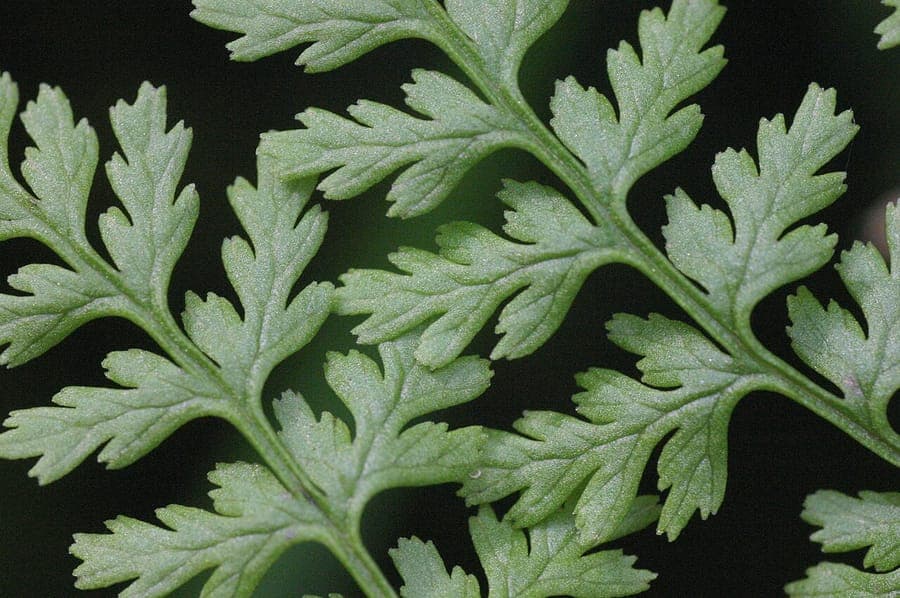
HermannSchachner / CC0, via Wikimedia Commons
Cystopteris montana: complete guide
Cystopteris montana
¿Quieres ver Cystopteris montana: complete guide en tu jardín?
1 minuto, sin tarjeta de crédito
Overview
Mountain bladderfern (Cystopteris montana) is a fine alpine fern from temperate mountain regions of Europe, Asia and North America. This delicate fern reaches only 15-40cm height and forms loose rosette clusters. Extremely fine, triply-pinnate fronds give airy, ethereal appearance. Grows in cool mountain climate, prefers moist environment. Perfect for shady corners and moist rockeries.
Appearance and Bloom
Cystopteris montana grows in loose rosette form. Fronds extremely fine, triply-pinnate, bright green. Young coiled fronds unfurl elegantly. Plant produces no flowers; reproduces via spores beneath frond (sorus). Spores visible as small brown dots. Entire plant appears elegant, finely-drawn and fragile.
Ideal Location
Shade to partial shade essential. Direct sunlight causes scorching in warm environments. Light morning sun acceptable. Humidity level 60-70% ideal. Moist, cool location preferred. Northeast-facing plantings preferred. Protection against strong winds recommended.
Soil
Humus-rich, moisture-retentive soil essential. 50% humus, 30% sand, 20% gravel mixture ideal. Acidic pH (4.5-6.0) preferred. Excellent drainage although moisture retention needed. Rocks and stones between roots aid acidic and moist environment. No heavy loams; well-drained leaf mold needed.
Watering
Moist environment crucial; soil never drying. Regular spraying with soft water recommended. Stagnant water avoided; good drainage needed. As temperature rises: more moisture needed. Winter: keep relatively dry (not waterlogged). Vertical misting helps frond structure and spore development.
Diseño gratis
¿Quieres ver Cystopteris montana: complete guide en tu jardín? Crea un diseño gratis ahora.
Pruning
Minimal pruning necessary. Remove withered fronds gently. Remove dead leaves regulates plant growth. No aggressive pruning; plant recovers slowly. Remove yellow pinnules carefully. After pruning: adequate moist environment important for recovery.
Maintenance Calendar
January-March: Calm environment, minimal moisture input, cool temperature (5-10 degrees acceptable). April-May: Increase moisture input, raise temperature, stimulate new growth. June-September: Summer moister (not waterlogged), partial shade preference, no direct sun. October-December: Maintain moist environment, lower temperature, adapt to winter.
Winter Hardiness
Moderately winter hardy. Minimum -15 degrees Celsius tolerated. Dutch winters mostly acceptable in protected spots. Heavy snow crushes fragile fronds; protection recommended. Prevent soil freezing; mulching helps.
Plant Companions
Cystopteris montana grows beautifully at foot of rocks/walls. Ideal for rockery gardens. Combines well with other alpine ferns and moss plants. Group planting 20-30cm spacing visually interesting. Grows well in large pots (10-15L). Compact form suits small gardens. Spore propagation spring in moist area.
Closing Thoughts
This fine alpine fern adds elegance to shady gardens. Delicate yet robust under correct conditions. Available at specialty retailers. More info at gardenworld.app/en. Find complete plant profile at gardenworld.app/en.
¿Quieres ver Cystopteris montana: complete guide en tu jardín? Crea un diseño gratis ahora.
Sube una foto, elige un estilo y obtén un diseño fotorrealista con lista de plantas en menos de un minuto.
Más de 10.000 jardines diseñados
Sin tarjeta de crédito


Plantas similares
Mountain spleenwort: complete guide
Asplenium montanum
Everything about mountain spleenwort fern: cultivation, care, growing conditions and proper maintenance for your garden
Western spleenwort: complete guide
Asplenium vespertinum
The Western spleenwort (Asplenium vespertinum) is a delicate fern from California with fine, feathery fronds. Learn about care, location, and overwintering in this comprehensive guide.
Asplenium cirrhatum: complete guide
Asplenium cirrhatum
Discover the chestnut scale spleenwort, a tropical fern full of elegance. Learn how to care for this exotic plant at home.