
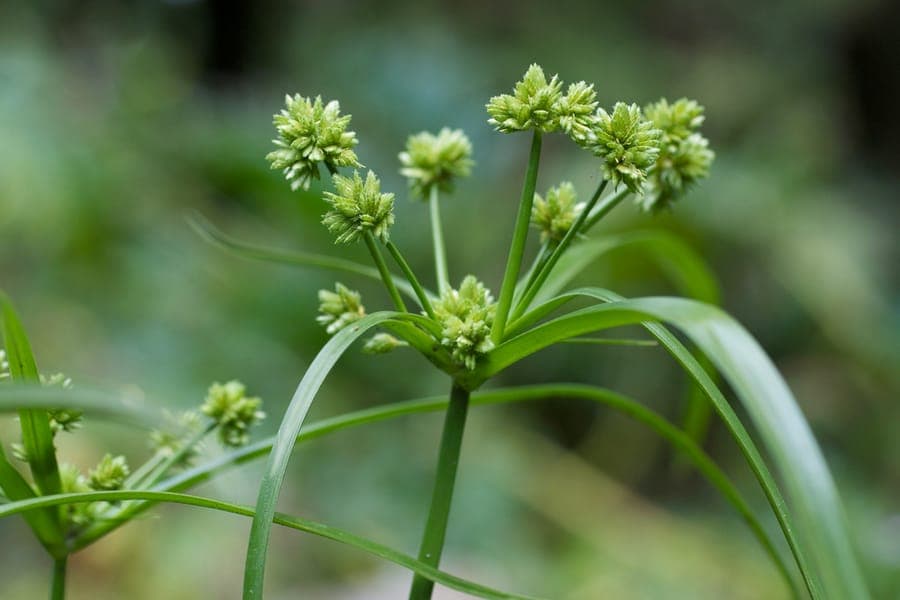
Eric in SF / CC BY-SA 3.0, via Wikimedia Commons
Umbrella sedge: complete guide
Cyperus eragrostis
¿Quieres ver Umbrella sedge: complete guide en tu jardín?
1 minuto, sin tarjeta de crédito
Overview
Umbrella sedge (Cyperus eragrostis) is a perennial sedge grass native to America. This decorative plant is known for its elegant, umbrella-like foliage formations atop slender stems. The grass thrives in moist and wet areas where many other plants struggle.
Appearance and Growth
Umbrella sedge forms dense, upright clumps 30-90 cm tall. The characteristic foliage formations resemble umbrellas, hence the name. The plant has fine, yellowish flower spikes from July to October. This grass provides structure and movement in gardens with its dancing leaves.
Ideal Location
Umbrella sedge thrives in full sun to partial shade. It grows best along pond banks, in marshy and moist zones. Place it where water can accumulate or is regularly present. It can even grow in large containers submerged in water.
Soil Requirements
This grass tolerates virtually all soil types, especially moist and boggy soils. It grows well in silty and clayey material. pH of 5.5-8.0 is acceptable. Add organic material for better structure.
Watering
Umbrella sedge needs abundant water. Plant in moist ground or along water features. It can even stand several centimeters underwater without issues. Provide artificial watering during dry periods.
Diseño gratis
¿Quieres ver Umbrella sedge: complete guide en tu jardín? Crea un diseño gratis ahora.
Pruning
Remove dead leaves in spring. Pruning is minimal; this grass maintains itself beautifully. Leave dried flower spikes for winter interest.
Maintenance Calendar
April-May: Planting season. June: Growth accelerates in warm weather. July-October: Flower production peaks. November: Leaves dry out, leave for structure. December-March: Winter dormancy, minimal maintenance.
Winter Hardiness
Umbrella sedge is winter hardy to USDA zones 7-8. In colder climates, mulch the base or grow in containers that can be moved indoors. In milder zones, it retains foliage year-round.
Companion Plants
Iris species grow well beside umbrella sedge. Carex species and other water grasses share the same environmental requirements. Pontederia and other water plants complement the grass beautifully.
Closing
Umbrella sedge transforms moist areas into beautiful garden spaces. This easy-to-grow grass adds grace and movement to water features. Plan your water garden design on gardenworld.app with complementary water and marsh plants. Find more inspiration for water-oriented gardens on gardenworld.app.
¿Quieres ver Umbrella sedge: complete guide en tu jardín? Crea un diseño gratis ahora.
Sube una foto, elige un estilo y obtén un diseño fotorrealista con lista de plantas en menos de un minuto.
Más de 10.000 jardines diseñados
Sin tarjeta de crédito


Plantas similares
Flat-stemmed club-rush: complete guide
Bolboschoenus planiculmis
Everything about Bolboschoenus planiculmis: growing conditions, watering, care, and use as a pond margin or wetland plant in garden design.
Great Plains flatsedge: complete guide
Cyperus lupulinus
Everything about Great Plains flatsedge (Cyperus lupulinus): growing conditions, care, garden uses, and ecological value. Tips for pond margins and dry sandy soils.
Golden beak sedge: complete guide
Rhynchospora corymbosa
Everything about golden beak sedge (Rhynchospora corymbosa): a dramatic tropical marginal for pond edges, bog gardens, and wet habitats.