
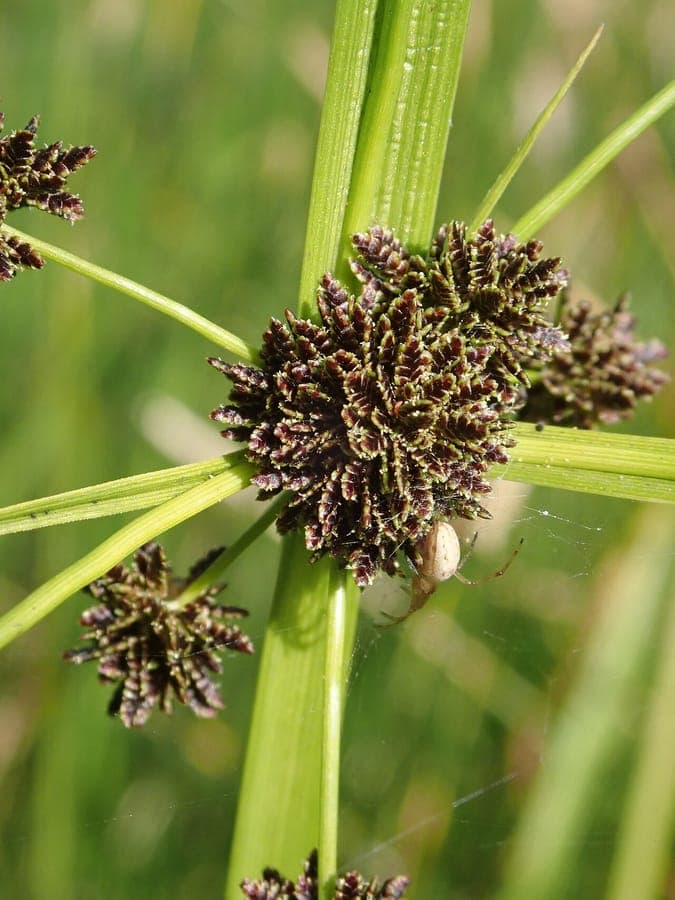
MargaretRDonald / CC BY-SA 4.0, via Wikimedia Commons
Cyperus difformis: complete guide
Cyperus difformis
¿Quieres ver Cyperus difformis: complete guide en tu jardín?
1 minuto, sin tarjeta de crédito
Overview
Slender cyperaceae (Cyperus difformis) is an elegant aquatic plant from tropical and subtropical Old World waters. This semi-submerged plant reaches 20-40cm height and forms dense clusters. Extremely fine needle-like foliage gives soft, ethereal appearance. In warm water environments grows both submerged and above water. Perfect for aquariums, water gardens and terrariums.
Appearance and Bloom
Cyperus difformis grows in compact, fluffy clusters. Very fine, thin stems rise straight upward. Leaves are needle-like, extremely thin and bright green. Small, inconspicuous flowers appear at stem tops. Entire plant appears airy and fine-textured. Submerged forms much finer than emergent specimens. Appearance comparable to aquatic water-hairs.
Ideal Location
Bright indirect lighting recommended. Aquaria: minimum 2 hours bright lighting daily. Outdoors: light to partial shade preference. Full sun causes wilting in extreme heat. Temperature between 18-28 degrees Celsius ideal. Tropical aquatic plants hate cool water below 15 degrees. Stagnant water avoided; light flow helps.
Soil
Aquatic plant; substrate less critical. In aquaria: fine sand or plant gravel sufficient. Aquatic potting media preferred. For enriched water: sludge bottom improves nutrition. Neutral pH (6.5-7.5) ideal. In gardens: muddy or clay soil acceptable near water. No compaction around roots; loose structure needed.
Watering
Aquatic plant; constantly submerged or very wet. Aquaria: full water column recommended. Wetlands: permanent water level crucial. Regular water changes (25% weekly aquaria) essential. Hard water tolerated well. Salt tolerance low; freshwater environment required. Prevents stagnation water contamination.
Diseño gratis
¿Quieres ver Cyperus difformis: complete guide en tu jardín? Crea un diseño gratis ahora.
Pruning
Minimal pruning needed. Remove wilted leaves gently. Trim dense clusters for bushy appearance. Remove lower leaves for healthy growth pattern. Cut long stems encourages denser growth. Avoid heavy pruning; plant grows back very slowly.
Maintenance Calendar
January-March: Calm water, minimal feeding, cool temperature acceptable (14-18 degrees). April-May: Raise temperature, growth begins, start feeding. June-September: Warmest periods, maximum growth, regular feeding NPK 1-2-1 aquatic formula. October-December: Gradually lower temperature, reduce feeding, allow winter rest.
Winter Hardiness
Not winter hardy. Dutch gardens: protection needed or indoor pot cultivation. Minimum 13 degrees Celsius; frost fatal. In temperate climates: dig up and overwinter indoors required. Prolonged temps below 10 degrees cause wilting and death.
Plant Companions
Cyperus difformis beautiful in aquarium backgrounds. Grows well in wetland gardens. Combines elegantly with lower-growing aquatic plants. Ideal for wetland projects. Forms refuge for small fish. Propagate via stem fragments. Group plantings 10-20cm spacing look better. For small aquaria: select 10-15cm specimens.
Closing Thoughts
This elegant aquatic plant adds grace to aquatic schemes. Wetland ecosystem supporter. Available at aquarium specialists. More info at gardenworld.app/en. Discover aquatic plant collection and design tips at gardenworld.app/en.
¿Quieres ver Cyperus difformis: complete guide en tu jardín? Crea un diseño gratis ahora.
Sube una foto, elige un estilo y obtén un diseño fotorrealista con lista de plantas en menos de un minuto.
Más de 10.000 jardines diseñados
Sin tarjeta de crédito


Plantas similares
Flat-stemmed club-rush: complete guide
Bolboschoenus planiculmis
Everything about Bolboschoenus planiculmis: growing conditions, watering, care, and use as a pond margin or wetland plant in garden design.
Great Plains flatsedge: complete guide
Cyperus lupulinus
Everything about Great Plains flatsedge (Cyperus lupulinus): growing conditions, care, garden uses, and ecological value. Tips for pond margins and dry sandy soils.
Golden beak sedge: complete guide
Rhynchospora corymbosa
Everything about golden beak sedge (Rhynchospora corymbosa): a dramatic tropical marginal for pond edges, bog gardens, and wet habitats.