
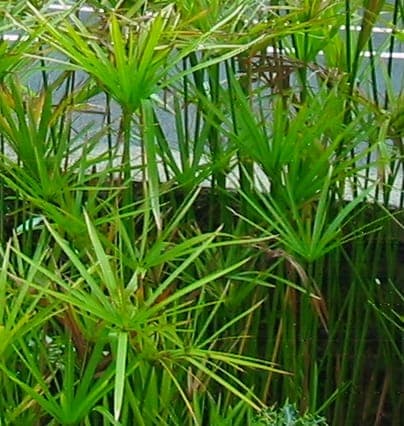
Simon Springett (Springnuts at English Wikipedia) / Public domain, via Wikimedia Commons
Cyperus alternifolius: complete guide
Cyperus alternifolius
¿Quieres ver Cyperus alternifolius: complete guide en tu jardín?
1 minuto, sin tarjeta de crédito
Overview
The umbrella plant (Cyperus alternifolius) is a striking houseplant that originates from tropical Africa and Madagascar. This plant is named for its characteristic leaf formations that resemble tiny parasols. It is an excellent choice for indoor and outdoor cultivation in warmer climates and proves extremely suitable for rooms with plenty of light.
The plant is valued for its graceful appearance and tolerance of various growing conditions. For many gardeners and plant enthusiasts, the umbrella plant is a classic that deserves a place in any collection. With proper care, this plant thrives and becomes a real showstopper in any room.
Appearance and bloom
Cyperus alternifolius is a relatively large houseplant that can reach 60-90 centimeters in height. The characteristic leaf formations consist of long, thin leaves that fan out radially around the stems in star shapes. These parasol-like formations give the plant its distinctive and recognizable appearance.
The plant blooms in summer with small, inconspicuous brownish flowers. These flowers appear at the top of the stems and are not the main reason for keeping this plant indoors. The true beauty lies in the elegant leaf structure and vibrant green foliage.
The height and width of the plant are easily controlled through regular pruning. This also encourages a more compact and fuller growth pattern, which is ultimately more attractive to the eye.
Ideal location
The umbrella plant thrives best in locations with plenty of indirect light. Place it near a window where light filters through, but ensure the plant is not in direct harsh midday sun. This can lead to wilting or yellowing of the leaves.
Indoors, the plant does well in rooms where the temperature remains stable between 15-25 degrees Celsius. This applies to most living rooms, as long as there are no cold drafts.
The umbrella plant is particularly suitable for bathrooms and kitchens because it loves moisture. Do not place it in locations where pets might knock it over, as it grows quite tall and can become unstable.
Outdoors in summer, the plant can stand on a sheltered terrace as long as the temperature does not drop below 10 degrees Celsius. As autumn approaches, it should be moved indoors.
Potting soil and soil type
The umbrella plant grows best in light potting soil with good water retention capacity. A mixture of standard houseplant soil with some extra peat moss or coconut fiber works well.
Place the plant in a pot with sufficient drainage holes. This prevents water stagnation in the root zone, which could lead to root rot.
Every two years, the plant can be repotted into larger pots. Do this preferably in spring, so the plant has the entire growing season to adjust.
Diseño gratis
¿Quieres ver Cyperus alternifolius: complete guide en tu jardín? Crea un diseño gratis ahora.
Watering and feeding
The umbrella plant is a water-loving plant and should not dry out. Keep the soil moist but not waterlogged. It is better to water regularly in small amounts than to water heavily all at once.
During summer months, daily watering may be necessary, especially in warmer living rooms. In winter, watering can be less frequent, but regularly check that the soil does not completely dry out.
Tip: This plant tolerates stagnant water better than many other houseplants, but water stagnation should still be avoided. Use lukewarm water, preferably rainwater.
From March to September, liquid fertilizer can be applied once every two weeks. In winter months, feeding is not necessary. Use standard liquid houseplant fertilizer at half strength.
Pruning
Regular pruning encourages fuller, more attractive growth. Cut the stems back to approximately 5 centimeters above the ground. This stimulates the plant to develop more branches.
Also remove dead or yellow leaves and damaged stems. This helps the plant concentrate energy on new, healthy growth.
The best time to prune is in early spring when growth resumes.
Maintenance calendar
January-February: Minimal watering, no feeding. Check for pests.
March-May: Beginning of growing season. Water regularly, start feeding (once every two weeks). Possibly repot into larger pot.
June-August: Peak growing season. Water daily, continue feeding. Plant can stay outdoors during warm periods.
September-October: Gradually reduce watering and feeding. Bring plant back indoors.
November-December: Minimal maintenance. Ensure plant is not exposed to drafts.
Winter hardiness
The umbrella plant is not winter hardy in temperate climates. Ensure the plant never experiences temperatures below 10 degrees Celsius. This can cause serious damage or even kill the plant.
In southern gardens, the plant may overwinter outdoors under shelter in some years, but this is risky.
The plant is essentially a tropical species and requires year-round warm indoor conditions.
Companion plants
The umbrella plant looks beautiful with other tropical houseplants such as Monstera, Scindapsus, and Philodendron. This combination creates a jungle-like atmosphere in the home.
Foliage plants like Dieffenbachia also pair well with the umbrella plant. Just ensure all plants have similar watering and light requirements.
In outdoor containers, the umbrella plant can be combined with hanging plants and hardy species for a varied appearance.
Conclusion
The umbrella plant is a beautiful and reliable houseplant that will last for years with basic care. With its graceful growth pattern and easygoing nature, it is ideal for both beginners and experienced plant enthusiasts.
Proper care with regular watering, warm climate, and indirect light ensures this plant thrives. Available year-round at garden centers at reasonable prices.
Want to freshen up your interior with this elegant plant? Visit gardenworld.app for more inspiration. The umbrella plant is definitely worth trying. Also be sure to check gardenworld.app regularly for other beautiful and well-maintained houseplants.
The plant is highly suitable for gardeners seeking an air-purifying plant. Studies show that this plant effectively filters harmful substances from the air, making it a perfect choice for office or bedroom.
Propagation is possible through seedlings or by dividing rootstocks. This can be done in spring with guaranteed success.
¿Quieres ver Cyperus alternifolius: complete guide en tu jardín? Crea un diseño gratis ahora.
Sube una foto, elige un estilo y obtén un diseño fotorrealista con lista de plantas en menos de un minuto.
Más de 10.000 jardines diseñados
Sin tarjeta de crédito


Plantas similares
Flat-stemmed club-rush: complete guide
Bolboschoenus planiculmis
Everything about Bolboschoenus planiculmis: growing conditions, watering, care, and use as a pond margin or wetland plant in garden design.
Great Plains flatsedge: complete guide
Cyperus lupulinus
Everything about Great Plains flatsedge (Cyperus lupulinus): growing conditions, care, garden uses, and ecological value. Tips for pond margins and dry sandy soils.
Golden beak sedge: complete guide
Rhynchospora corymbosa
Everything about golden beak sedge (Rhynchospora corymbosa): a dramatic tropical marginal for pond edges, bog gardens, and wet habitats.