
Micromesistius / CC BY-SA 3.0, via Wikimedia Commons
Cunninghamia lanceolata: complete guide
Cunninghamia lanceolata
¿Quieres ver Cunninghamia lanceolata: complete guide en tu jardín?
1 minuto, sin tarjeta de crédito
Overview
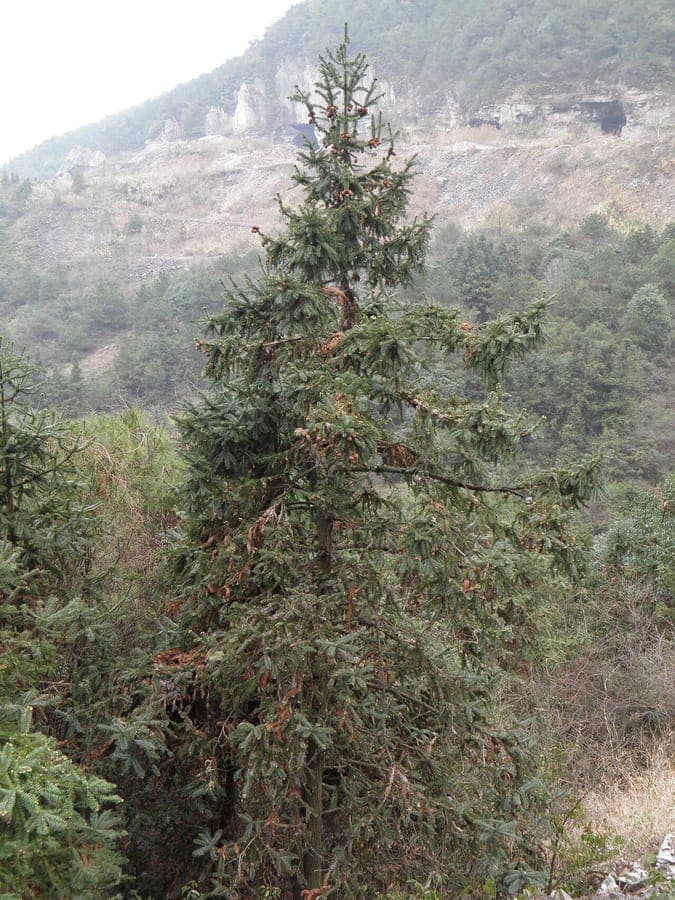
Cunninghamia lanceolata, commonly known as Chinese Fir or China-Fir, is an impressive conifer native to southern China. Belonging to the Cupressaceae family, this tree is recognized for its unique, pointed needles and rapid growth rate. In natural conditions, Cunninghamia lanceolata reaches 50 meters or higher, though in garden settings this can be controlled. The tree is popular for its ornamental value and vigorous establishment.
Appearance and Bloom
Cunninghamia lanceolata grows into an essentially pyramidal form with densely-packed needles. The needles are sharp and pointed, typically green, arranged in flabellate (fan-shaped) bundles. The cones are rough and brownish when mature. In spring, they produce male flowers that release yellow pollen, characteristic of conifers.
Ideal Location
Cunninghamia lanceolata grows best in full sun to partial shade. The tree prefers areas with sufficient space for expansion. Plant this tree where it can reach full size without smothering surrounding plants. A sheltered location protected from strong winds is ideal.
Soil
Chinese Fir thrives in well-drained, slightly acidic to neutral soil. The tree tolerates various soil types from sandy to heavy clay, provided good drainage. Add organic matter for optimal growth.
Watering
During the establishment years, water regularly. Once established, Cunninghamia lanceolata is relatively drought-tolerant and handles dry conditions well. During very dry periods, you can still water, especially in early years.
Diseño gratis
¿Quieres ver Cunninghamia lanceolata: complete guide en tu jardín? Crea un diseño gratis ahora.
Pruning
Pruning is not essential for young growth, but you can remove dead or damaged branches. Shaping can be achieved through selective pruning, though the tree forms beautifully on its own. Avoid heavy pruning on mature trees.
Maintenance Calendar
In spring, apply light balanced fertilizer to encourage growth. After establishment, further feeding is usually unnecessary. Regularly check for damage from heavy snow or storms.
Winter Hardiness
Cunninghamia lanceolata can tolerate winter frost down to about -12 to -15 degrees Celsius. In regions with harsher winters, protective measures may be needed, especially for young trees. Established trees are usually hardy enough for temperate zones.
Companion Plants
Cunninghamia lanceolata works well as a specimen or background in large gardens. Combine with other Asian conifers such as Asian junipers or Japanese cryptomeria. Low-growing underplanting fills in the base attractively.
Closing
Cunninghamia lanceolata is a striking choice for those with space who seek a fast-growing, ornamental conifer. With its unique needle structure and rapid growth, it makes an interesting addition to landscapes and larger gardens. The tree is relatively low-maintenance once established. Source seedlings and young trees from specialized nurseries. With appropriate growing conditions and minimal care, you will enjoy this magnificent Chinese conifer.
¿Quieres ver Cunninghamia lanceolata: complete guide en tu jardín? Crea un diseño gratis ahora.
Sube una foto, elige un estilo y obtén un diseño fotorrealista con lista de plantas en menos de un minuto.
Más de 10.000 jardines diseñados
Sin tarjeta de crédito


Plantas similares
Cupressus macnabiana: complete guide
Cupressus macnabiana
The Fragrant Cypress offers elegant growth with fine, aromatic foliage. Perfect for temperate climates and as specimen trees in contemporary gardens.
Cupressus guadalupensis: complete guide
Cupressus guadalupensis
The Guadalupe cypress: an elegant conifer for gardens. Complete cultivation guide for this Mexican cypress. Information about care, location, form and maintenance.
Austrocedrus chilensis: complete guide
Austrocedrus chilensis
Discover Austrocedrus chilensis, the Chilean Cedar ornamental conifer. Elegant specimen with fine foliage and columnar form for permanent structure.